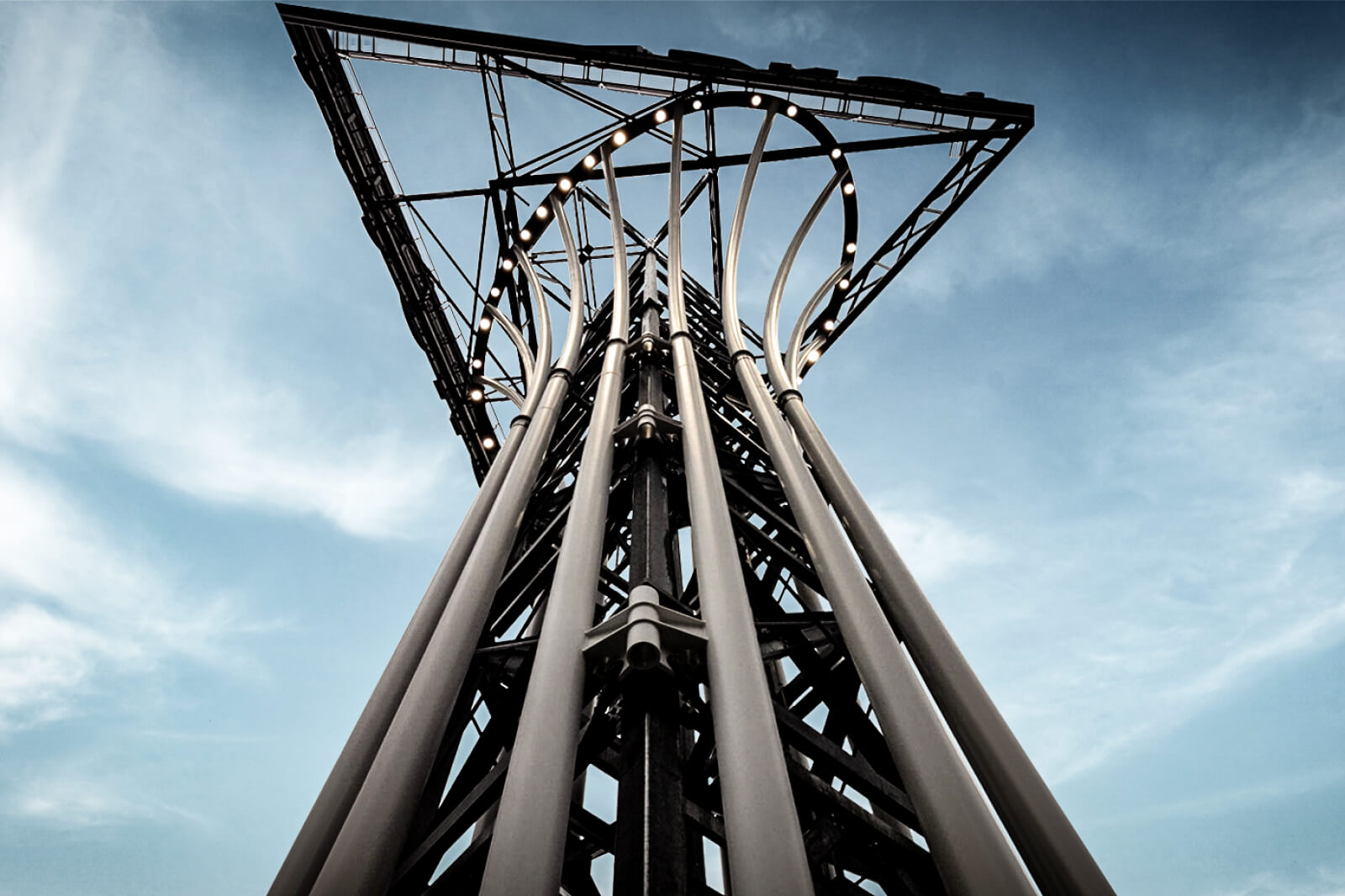
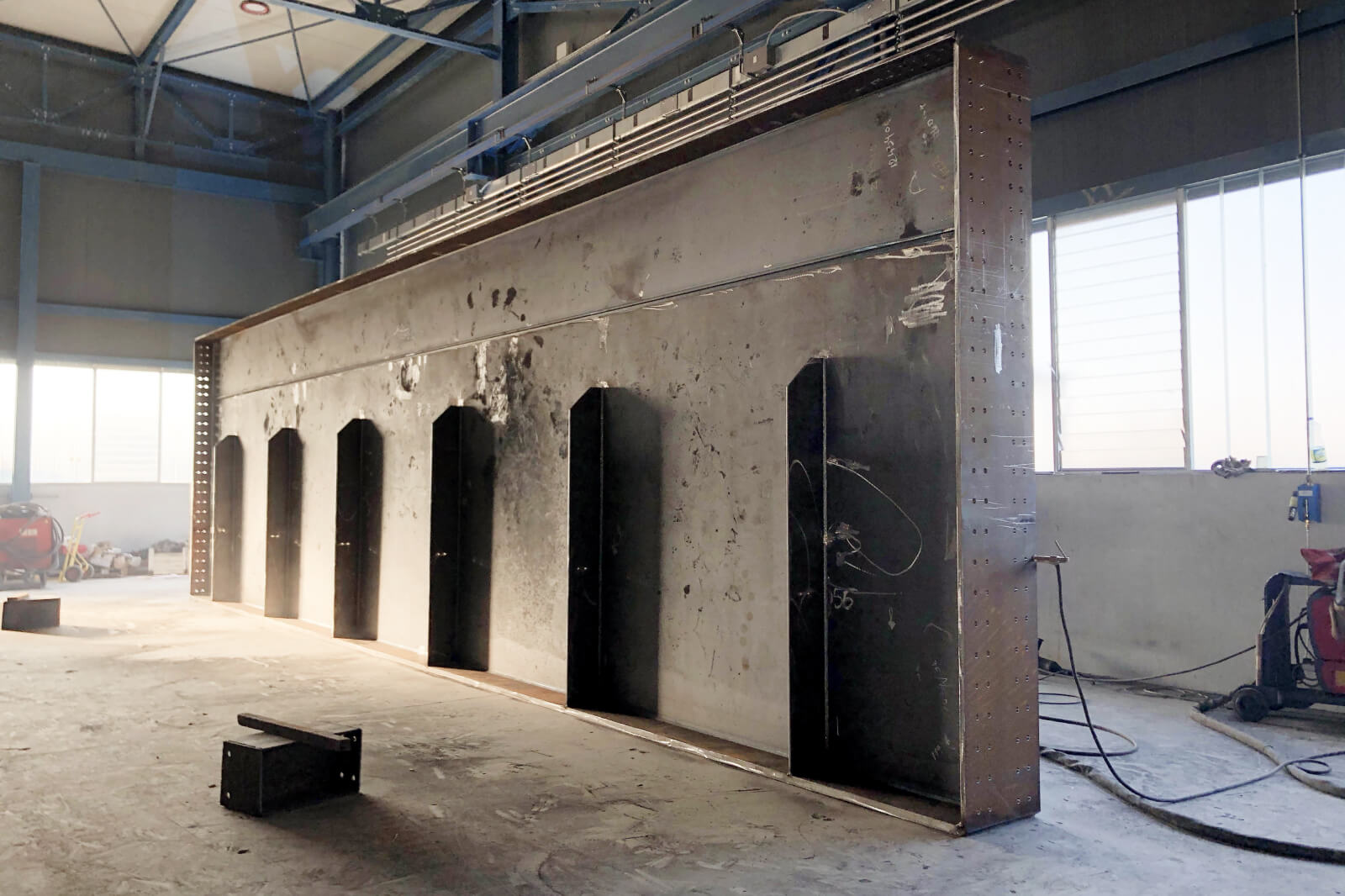
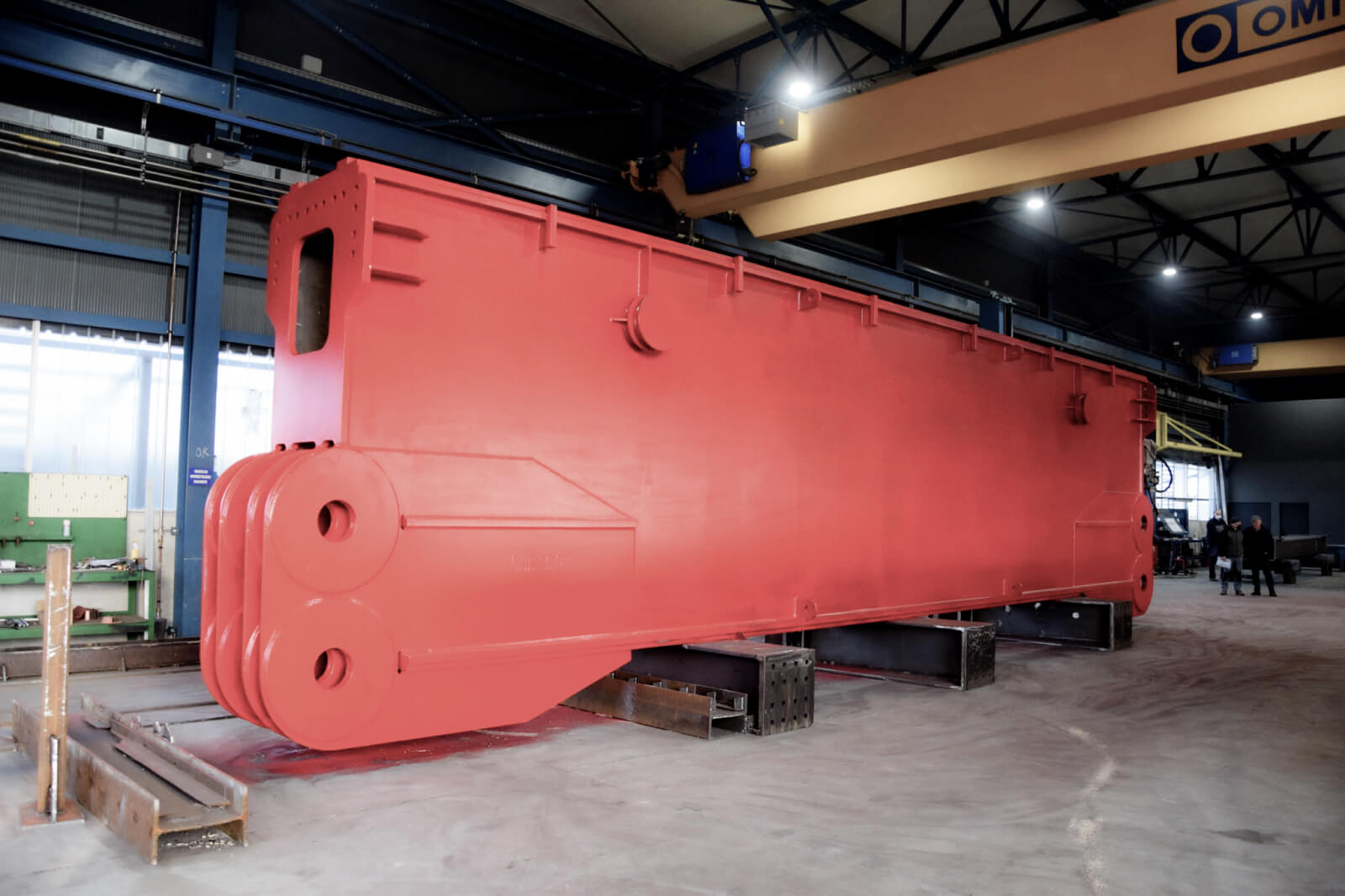
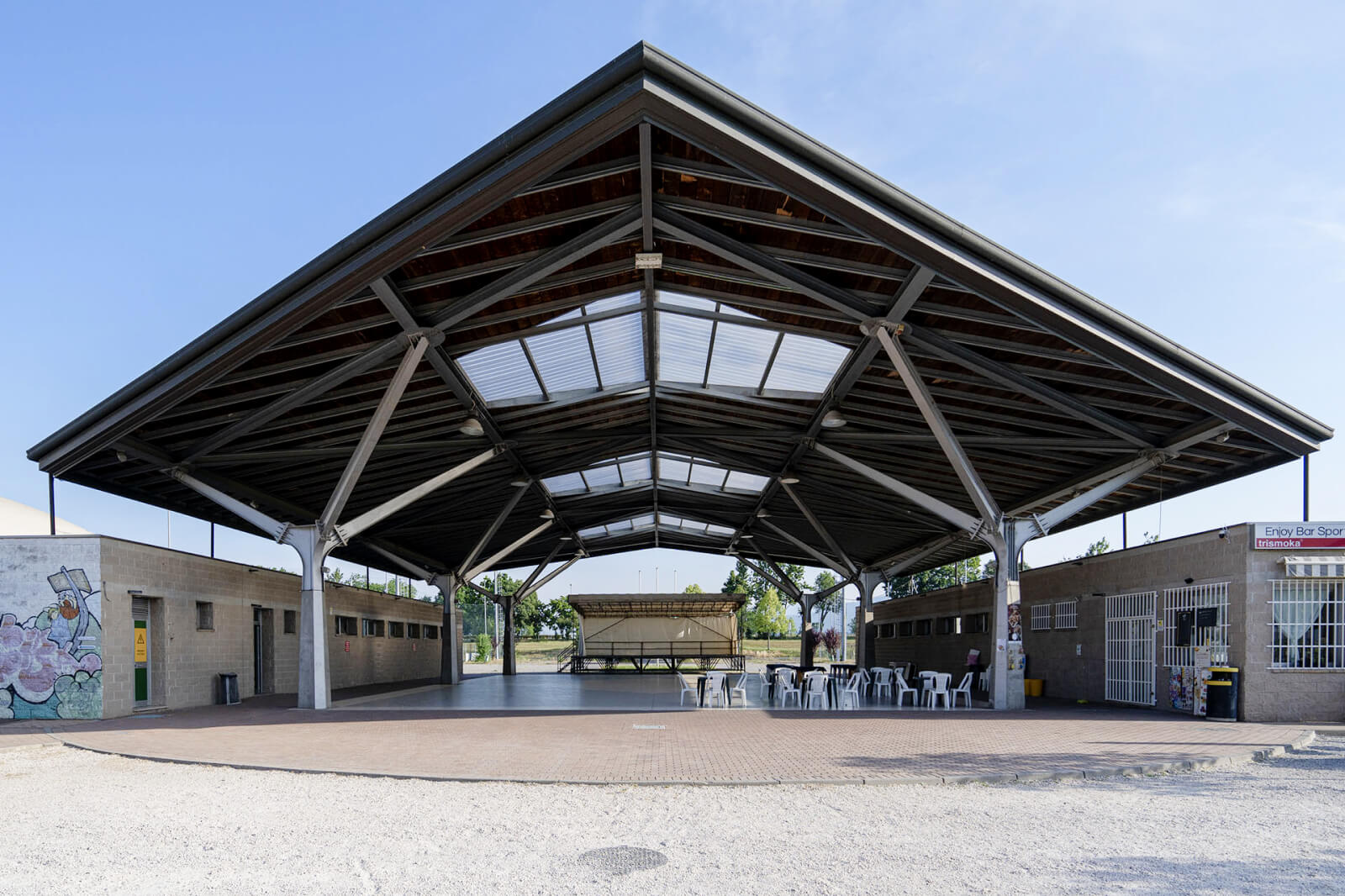
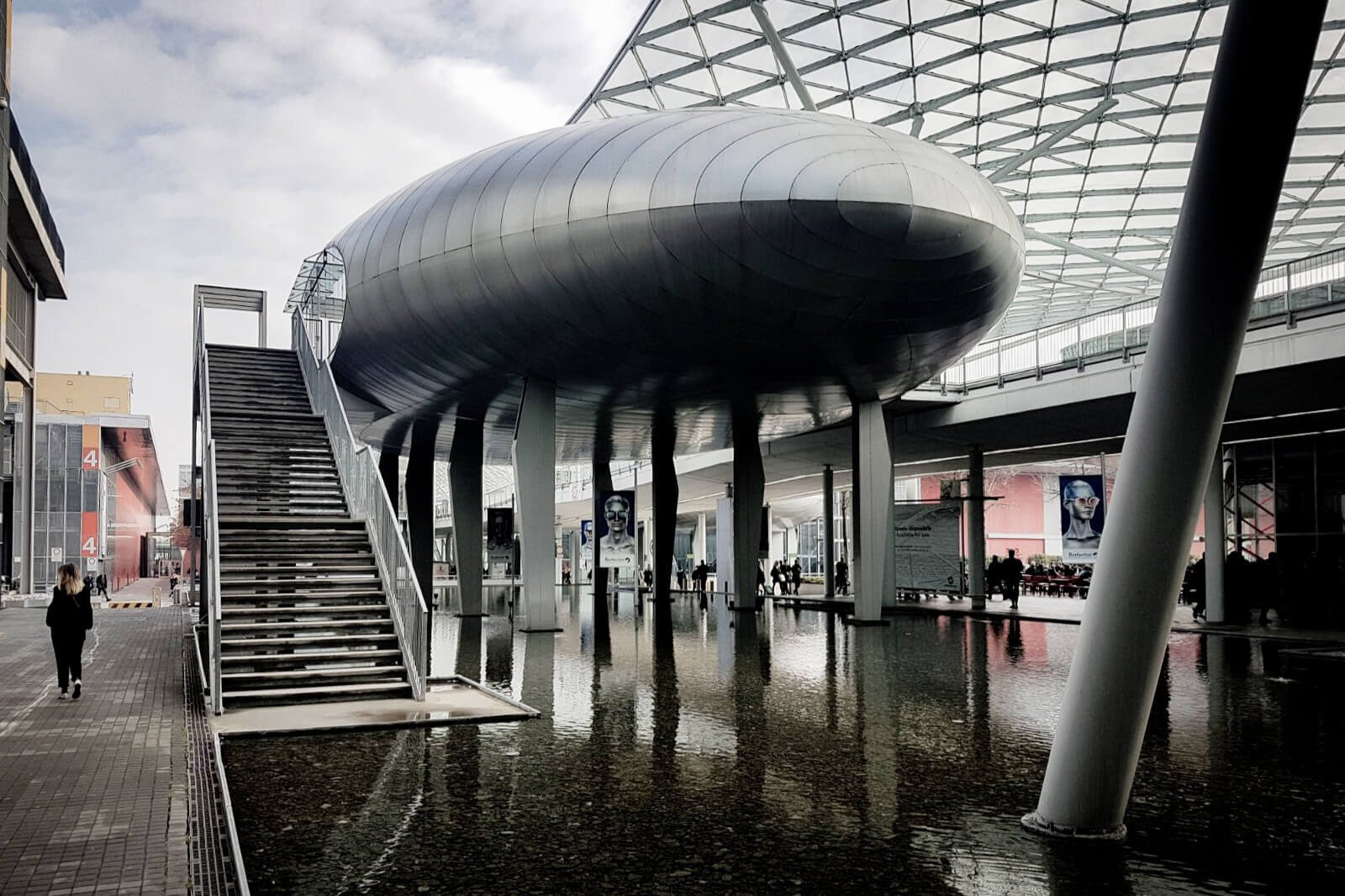
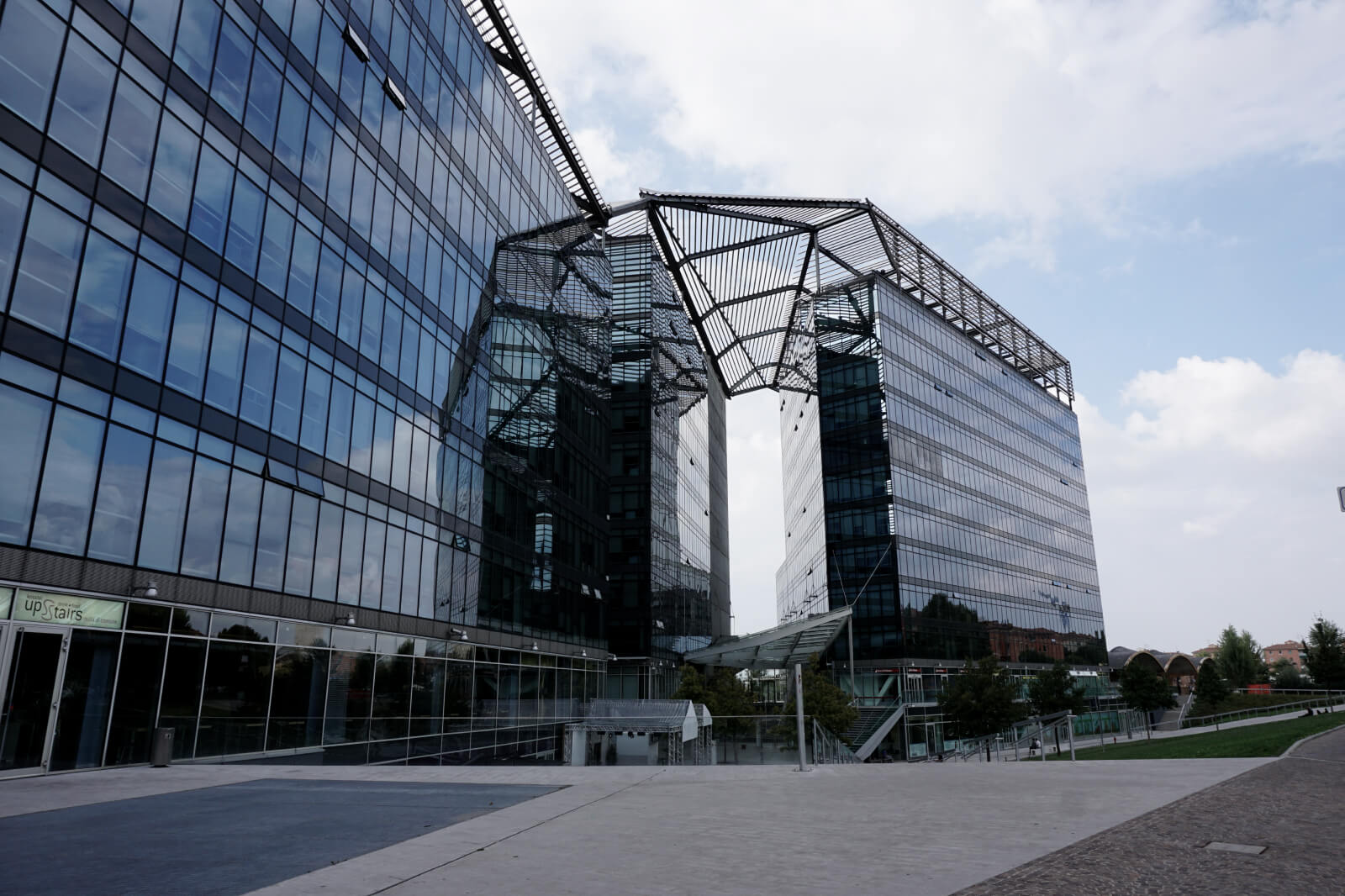
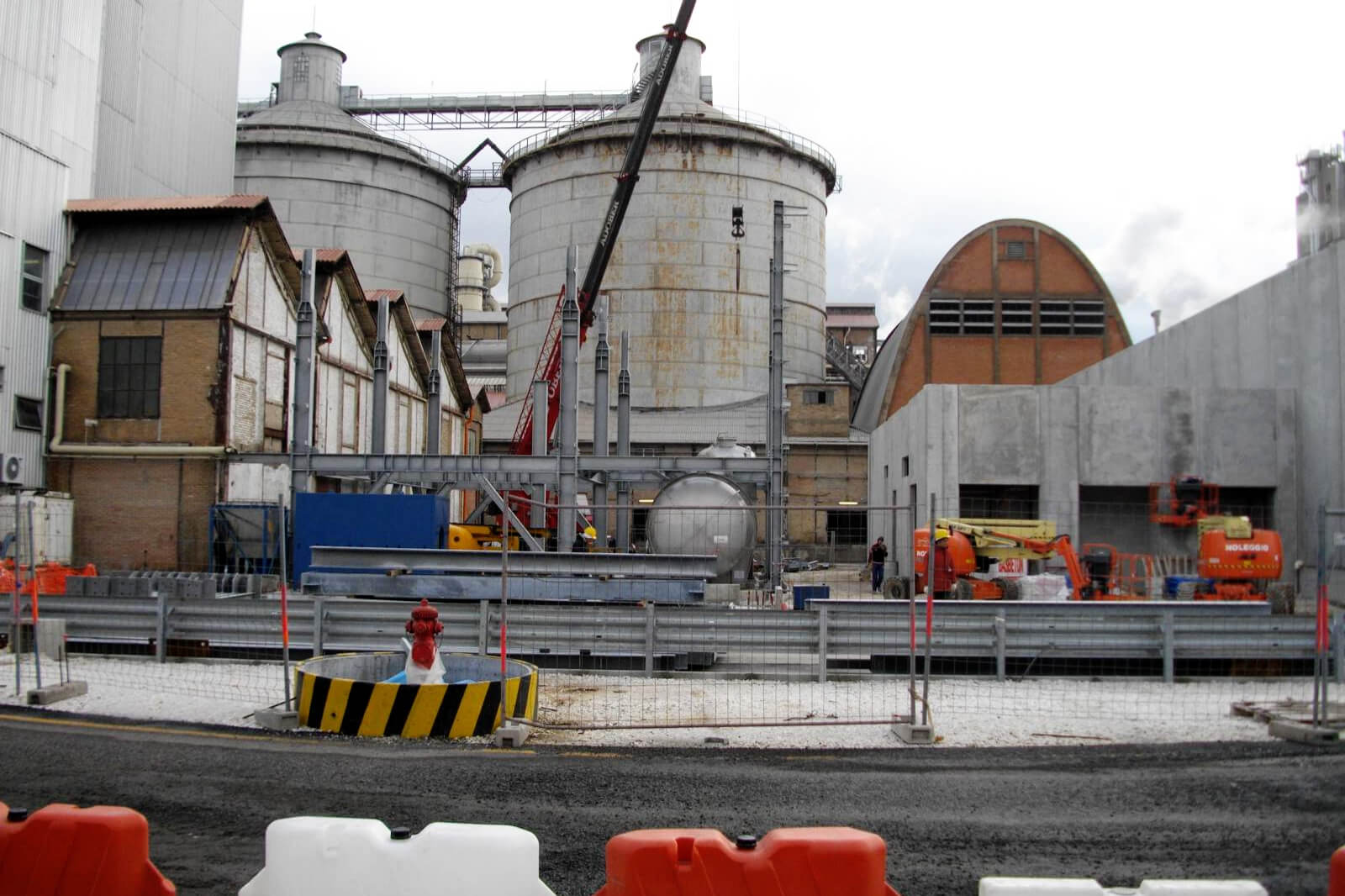
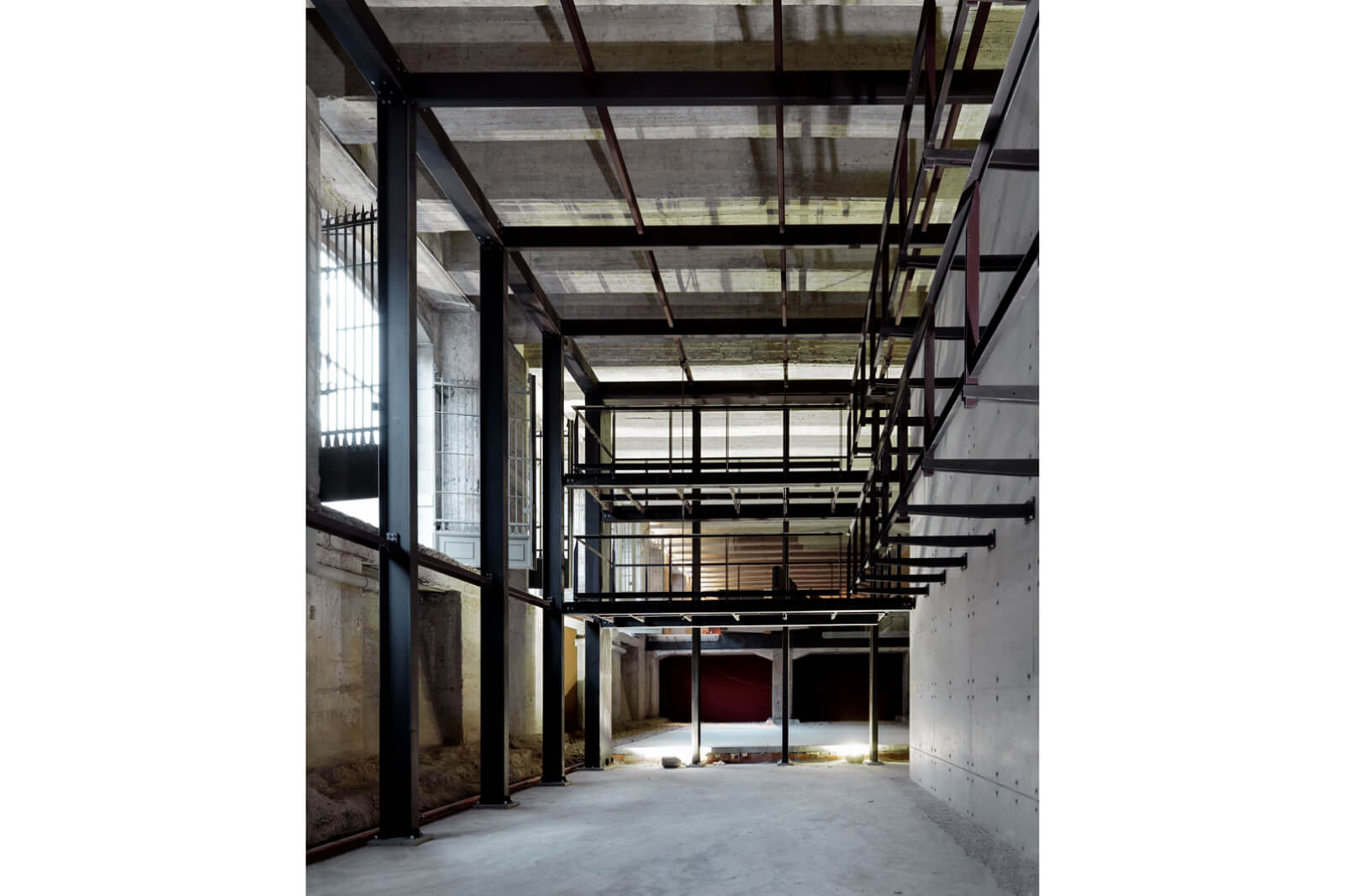
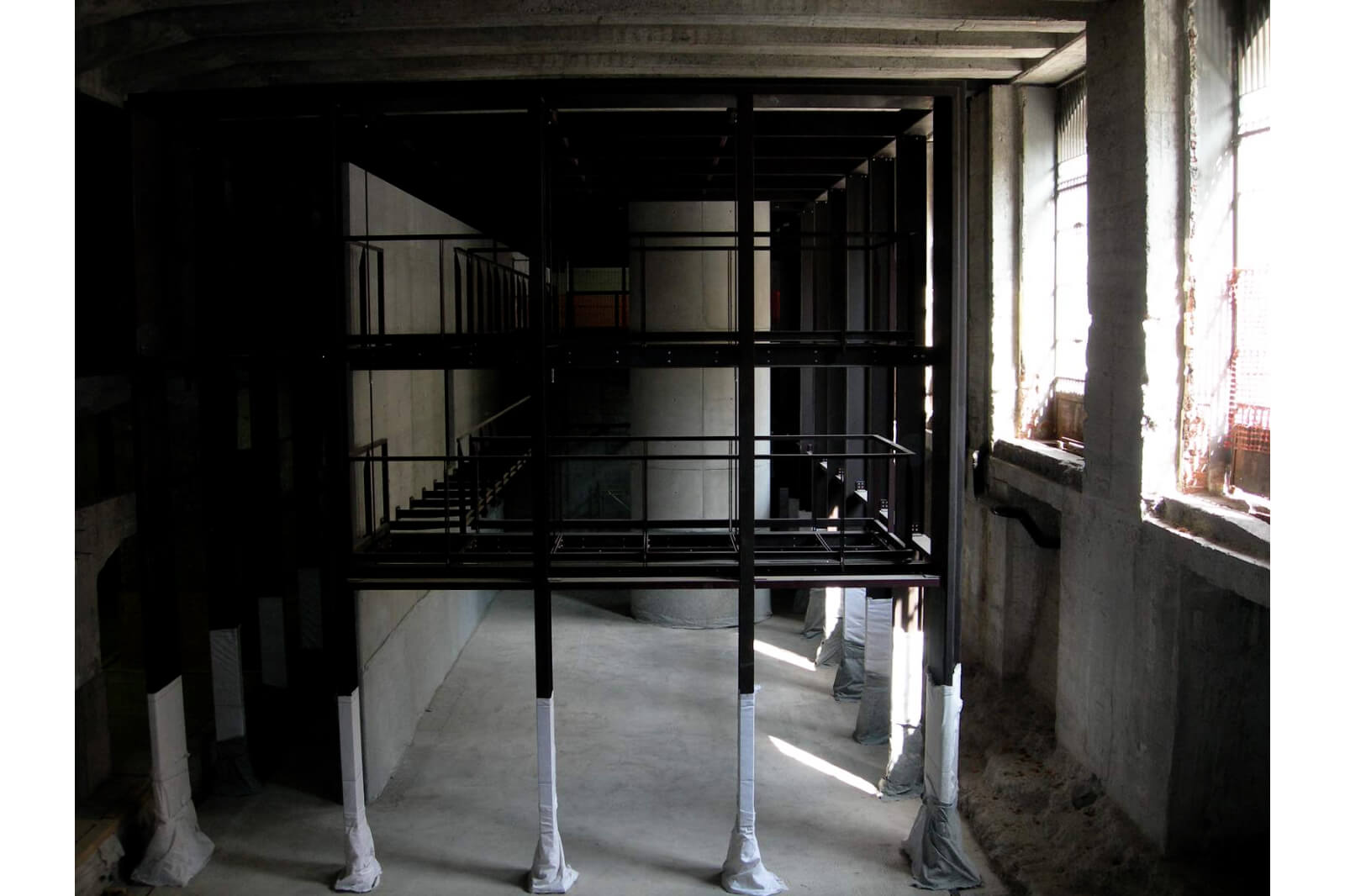
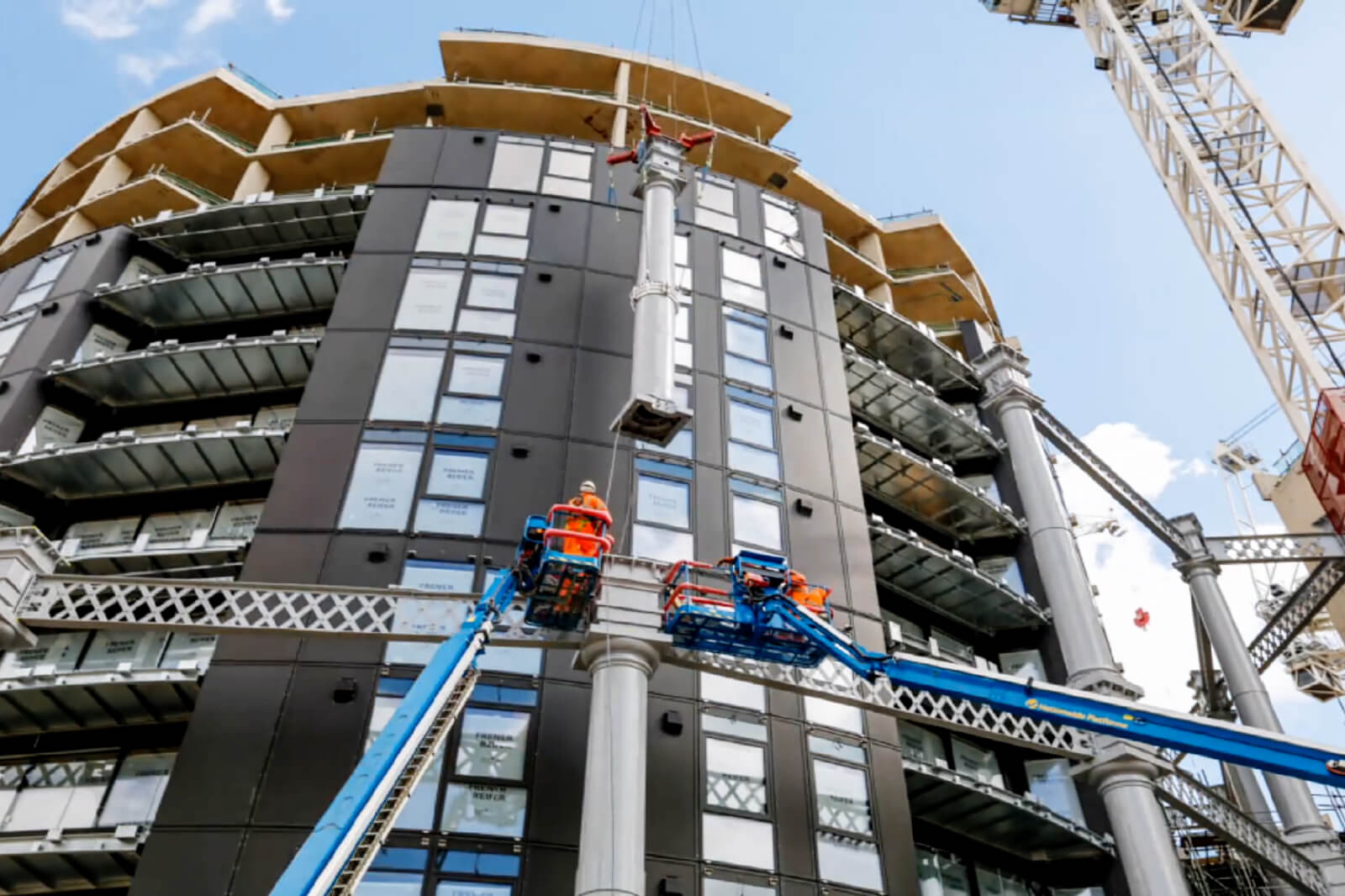
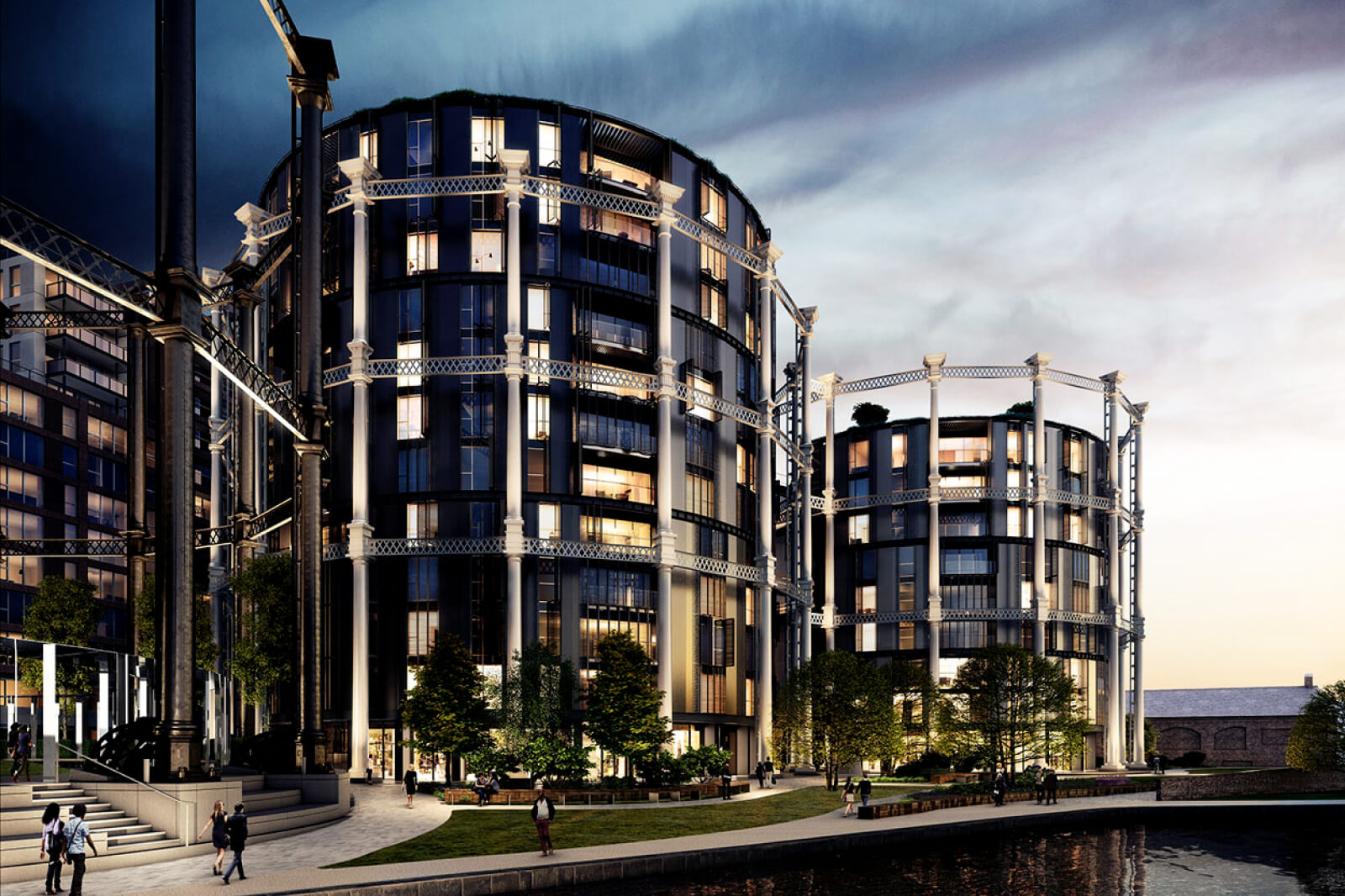
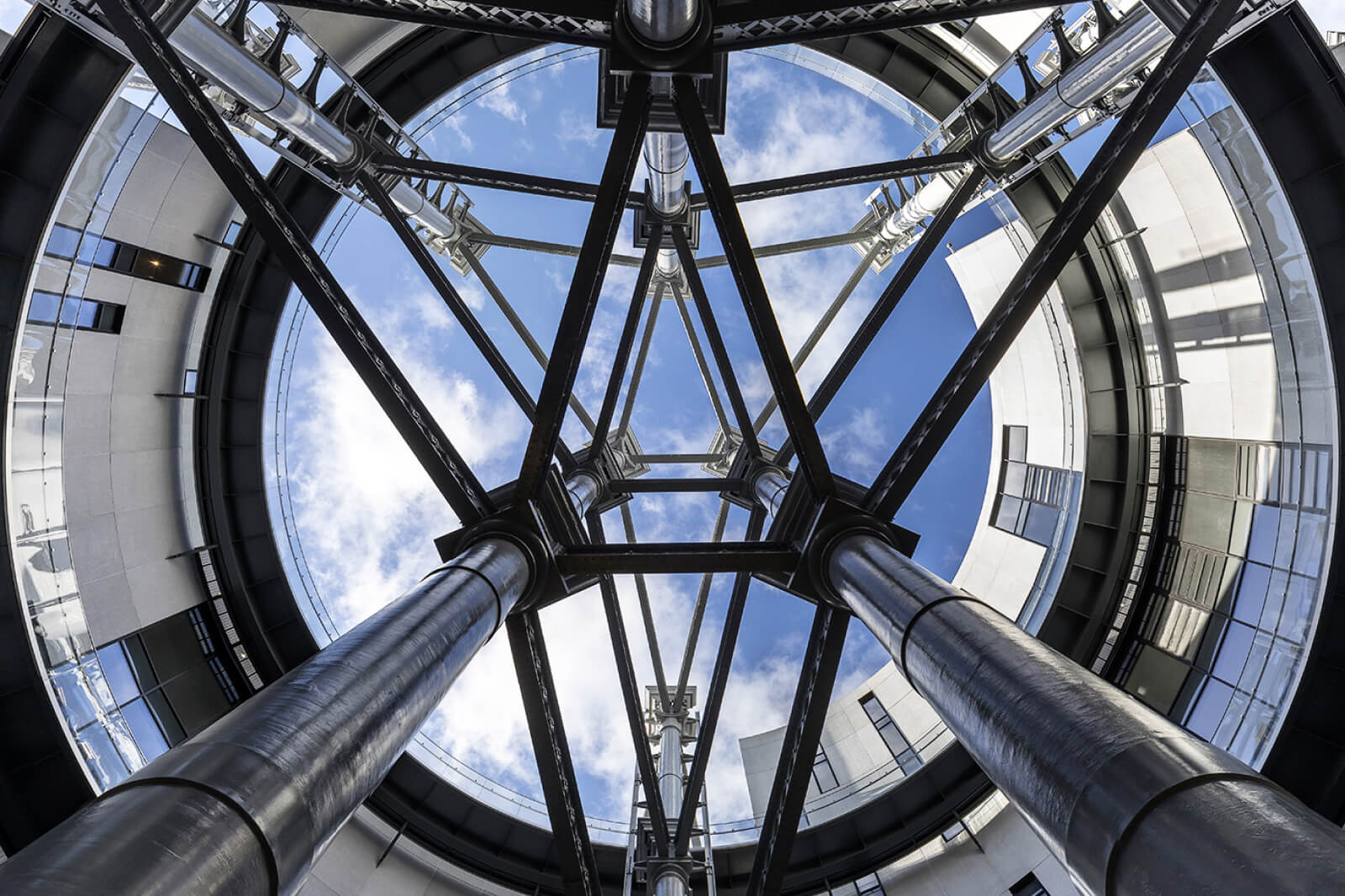
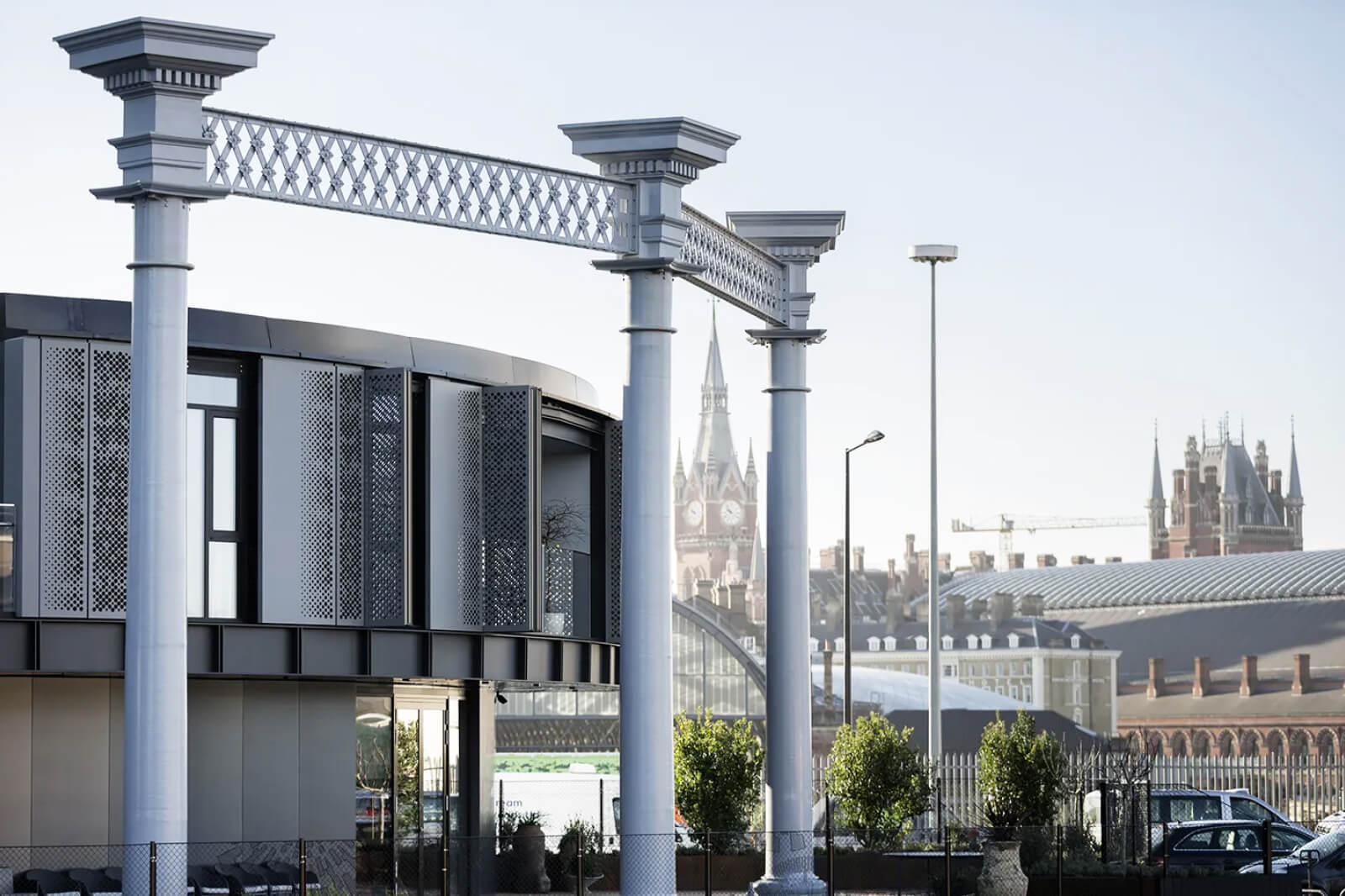
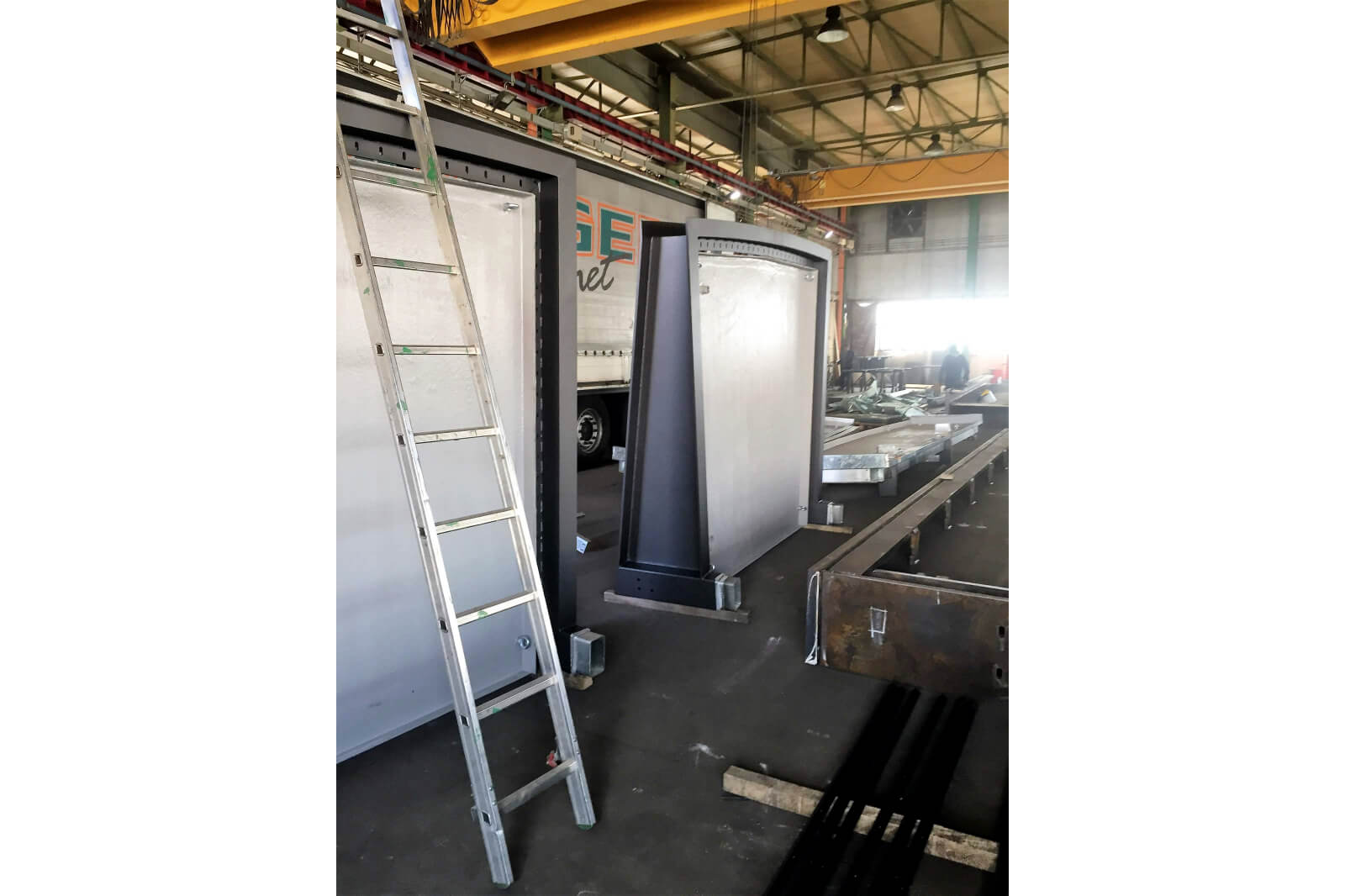
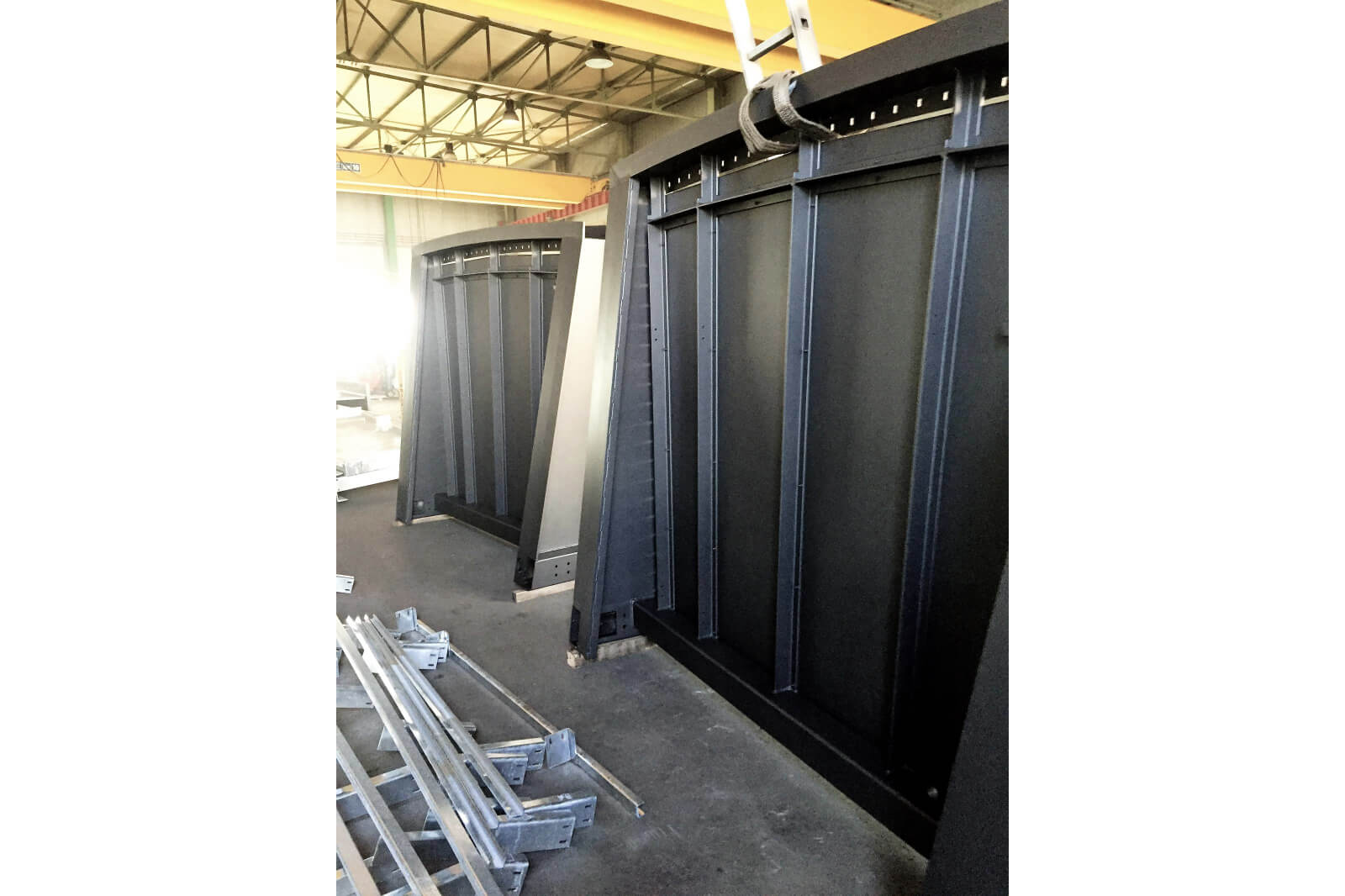
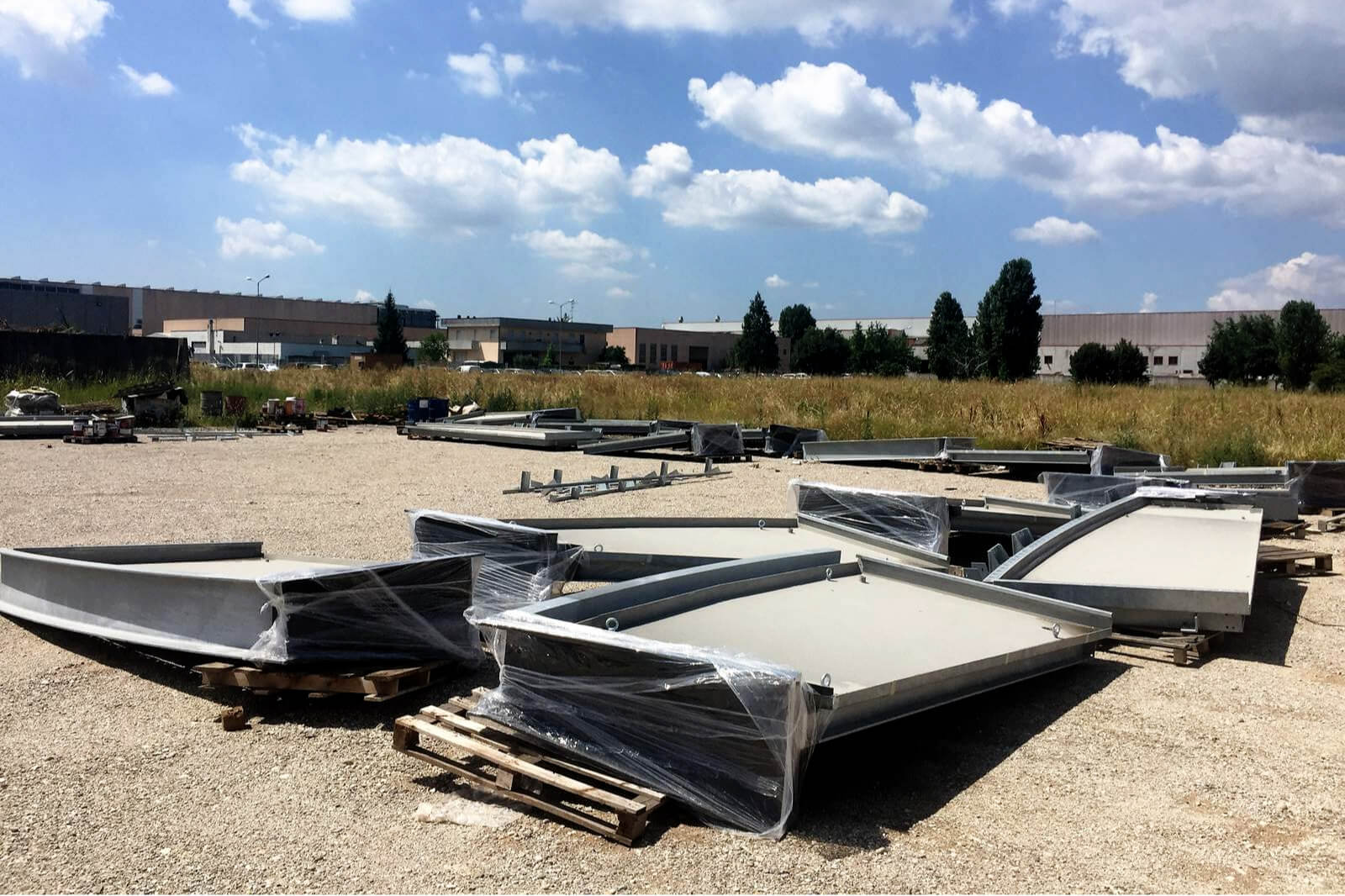
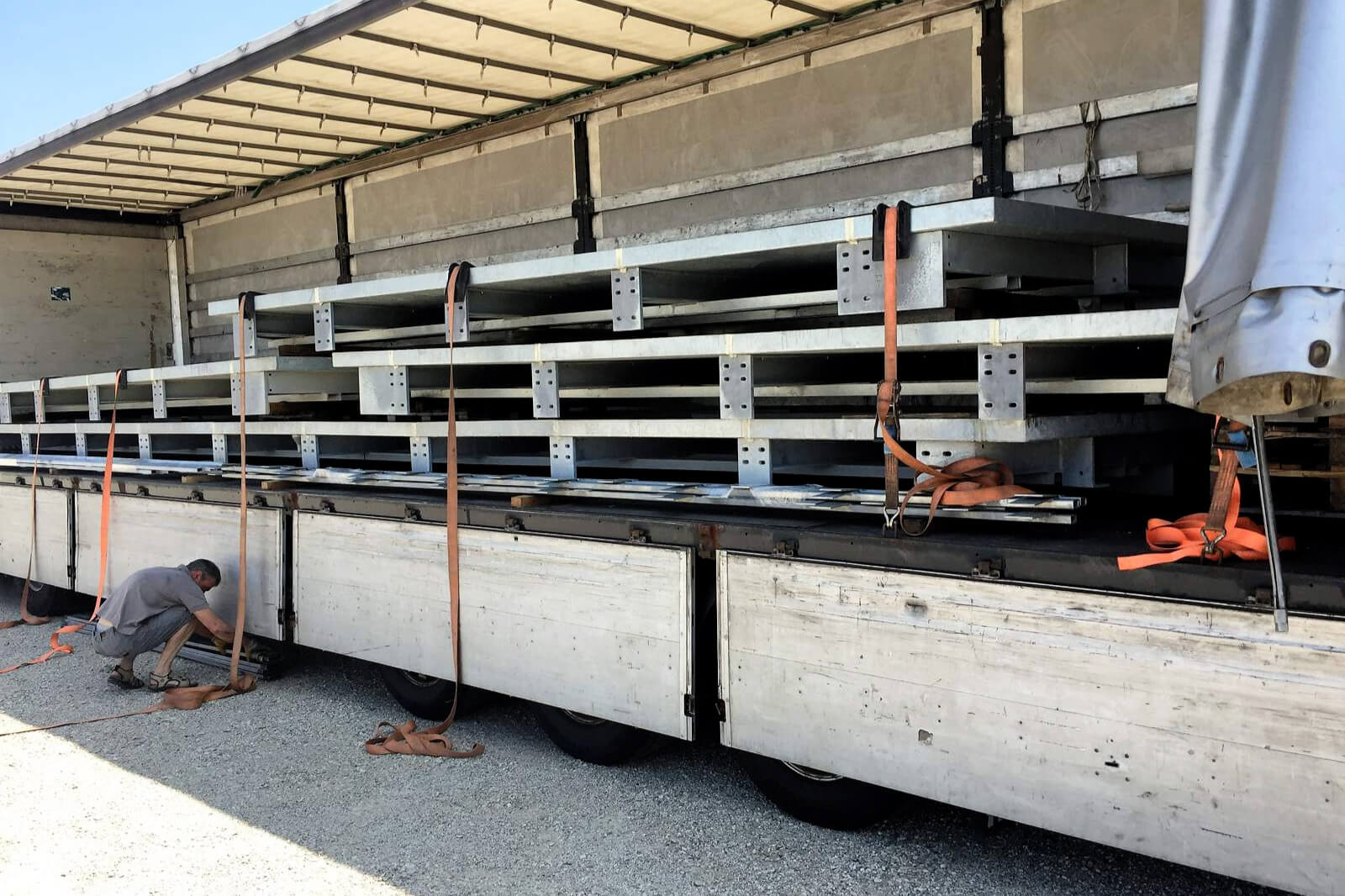
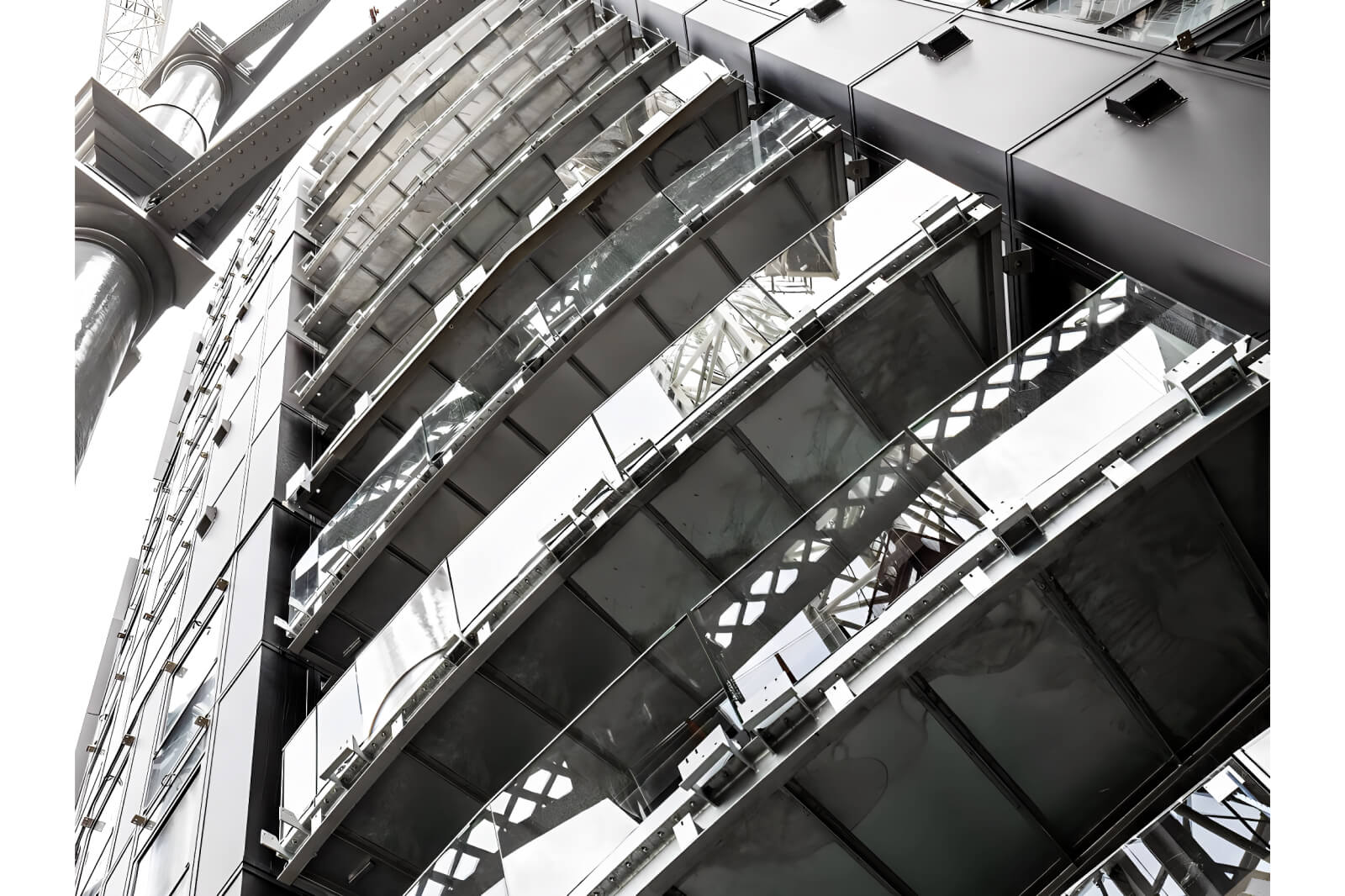
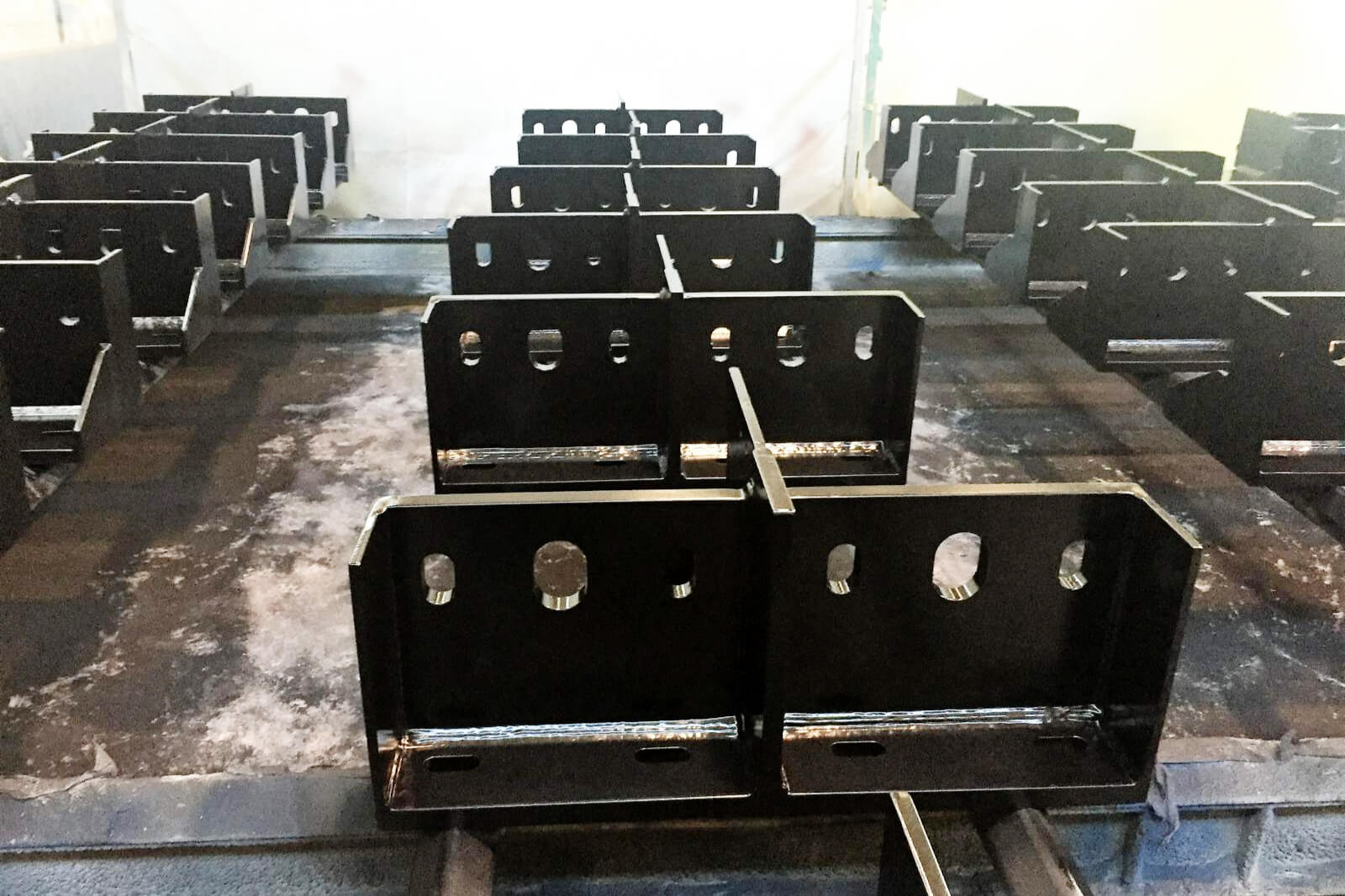
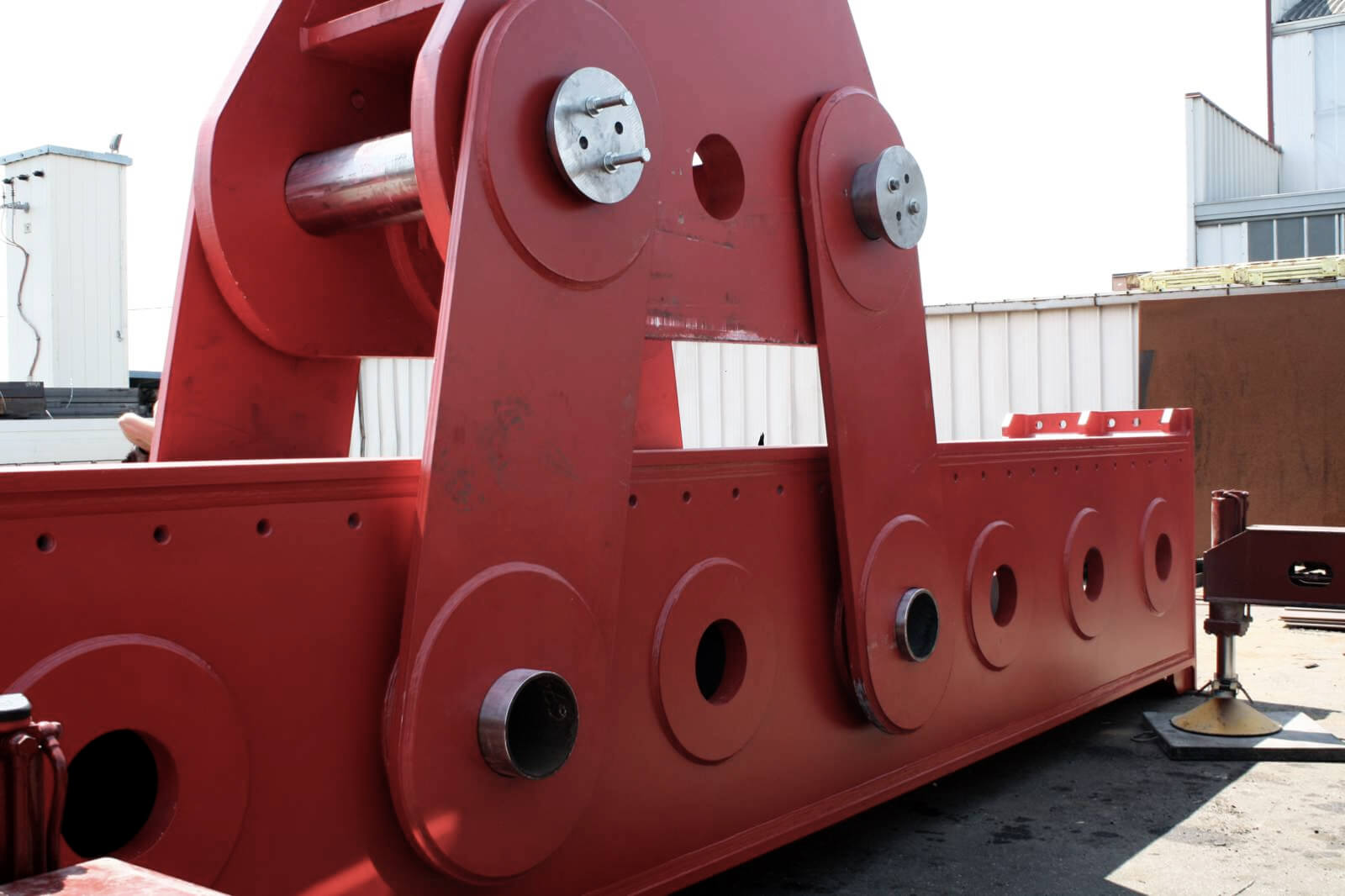
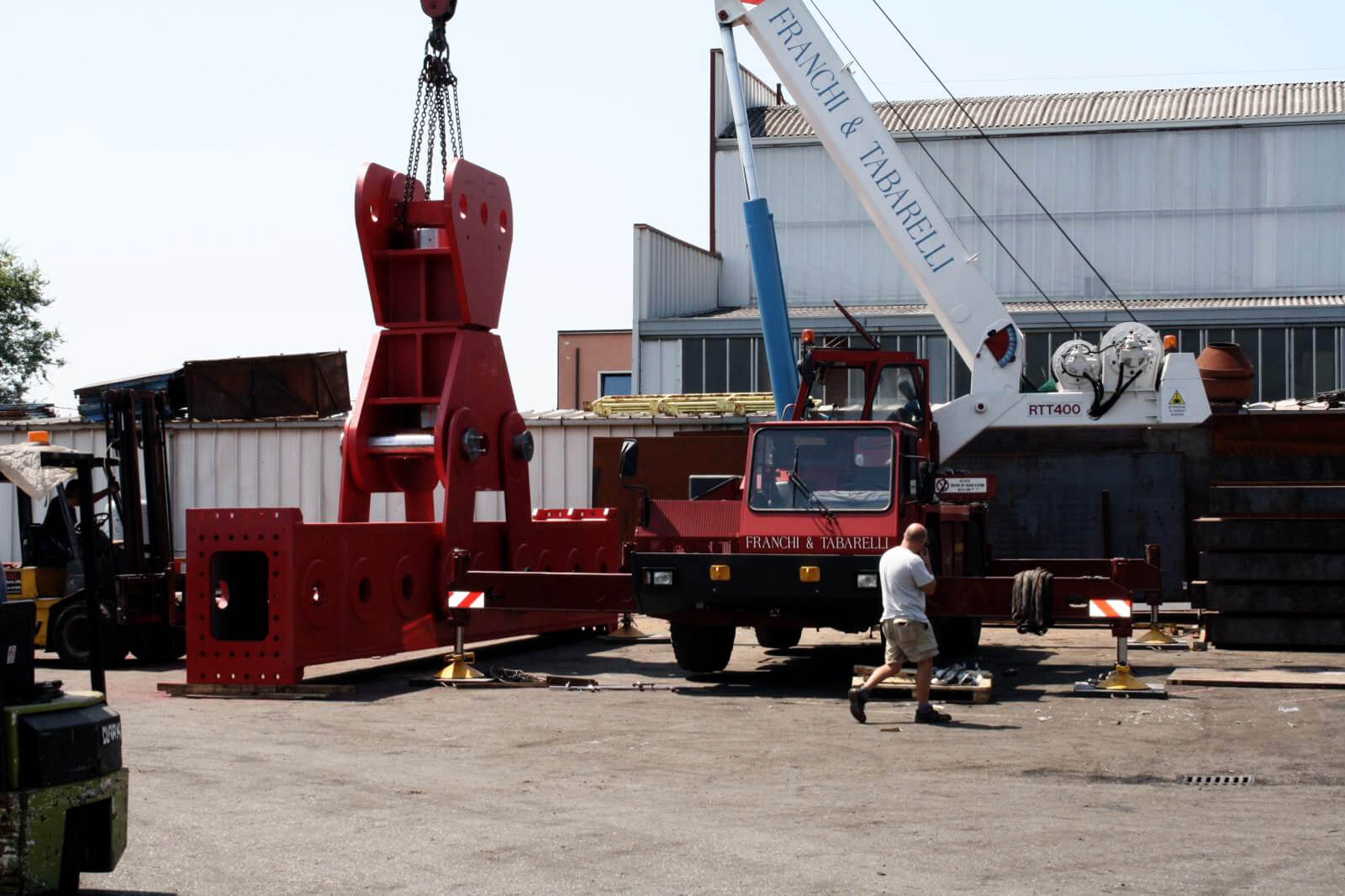
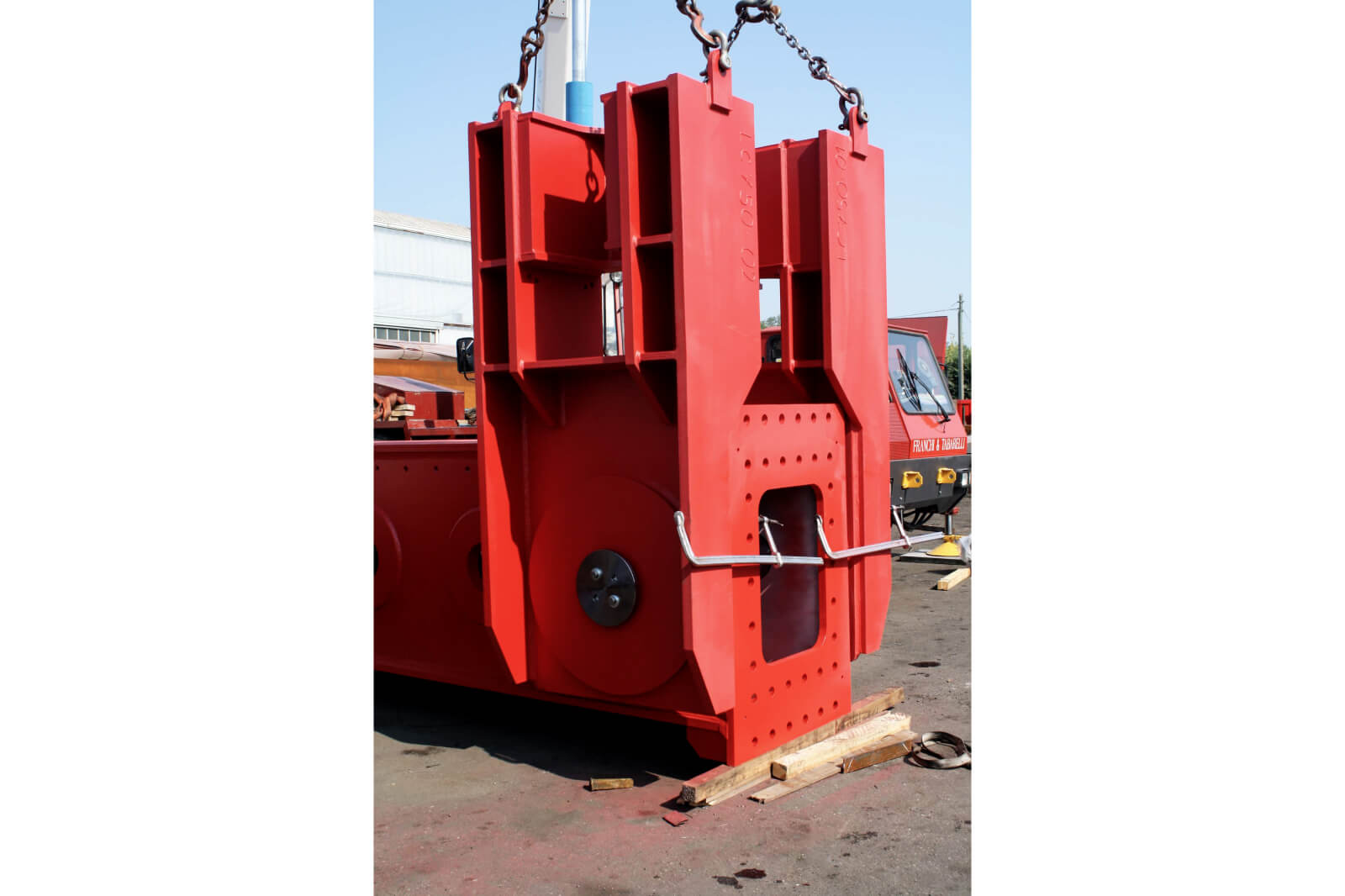
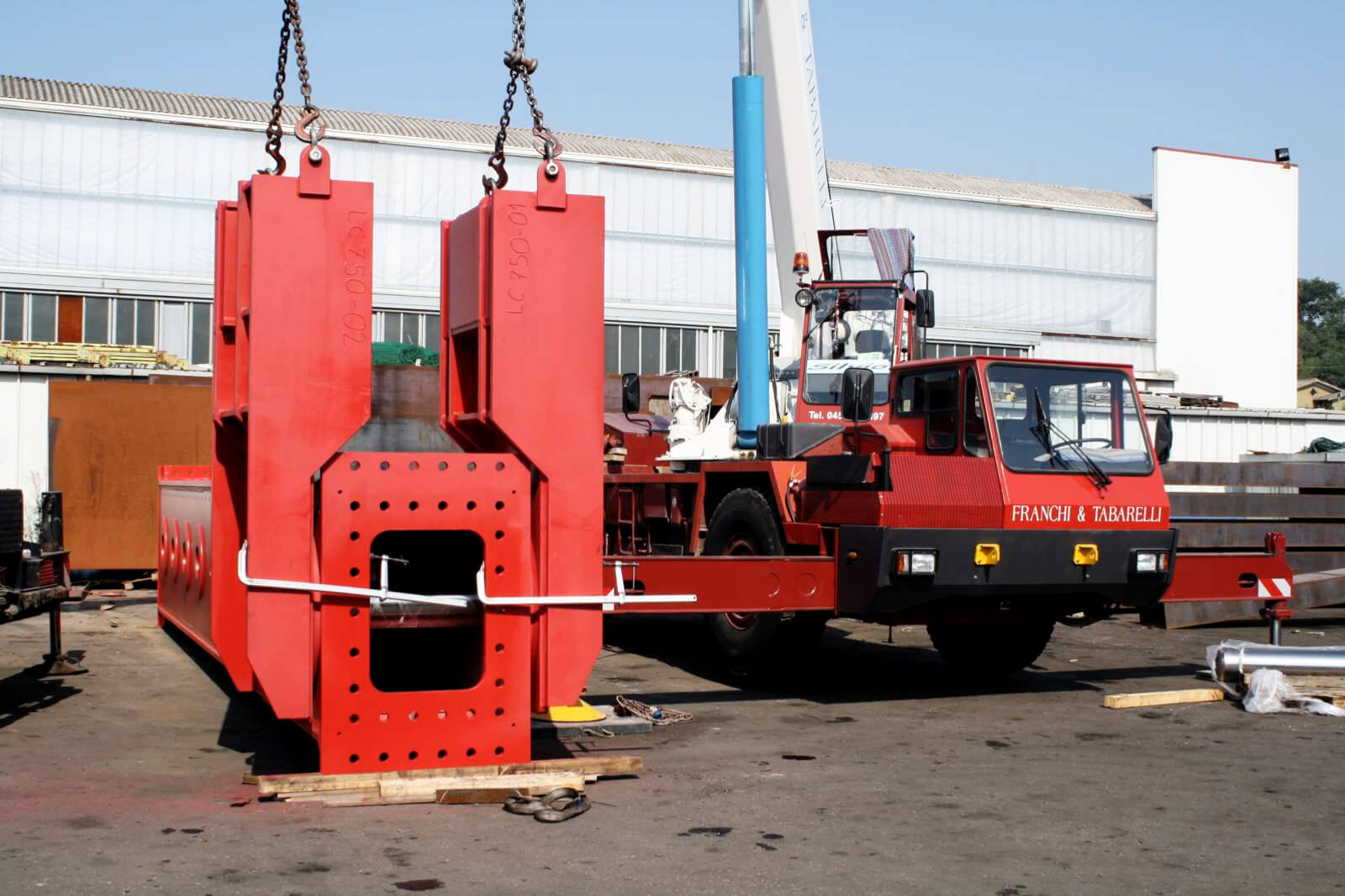
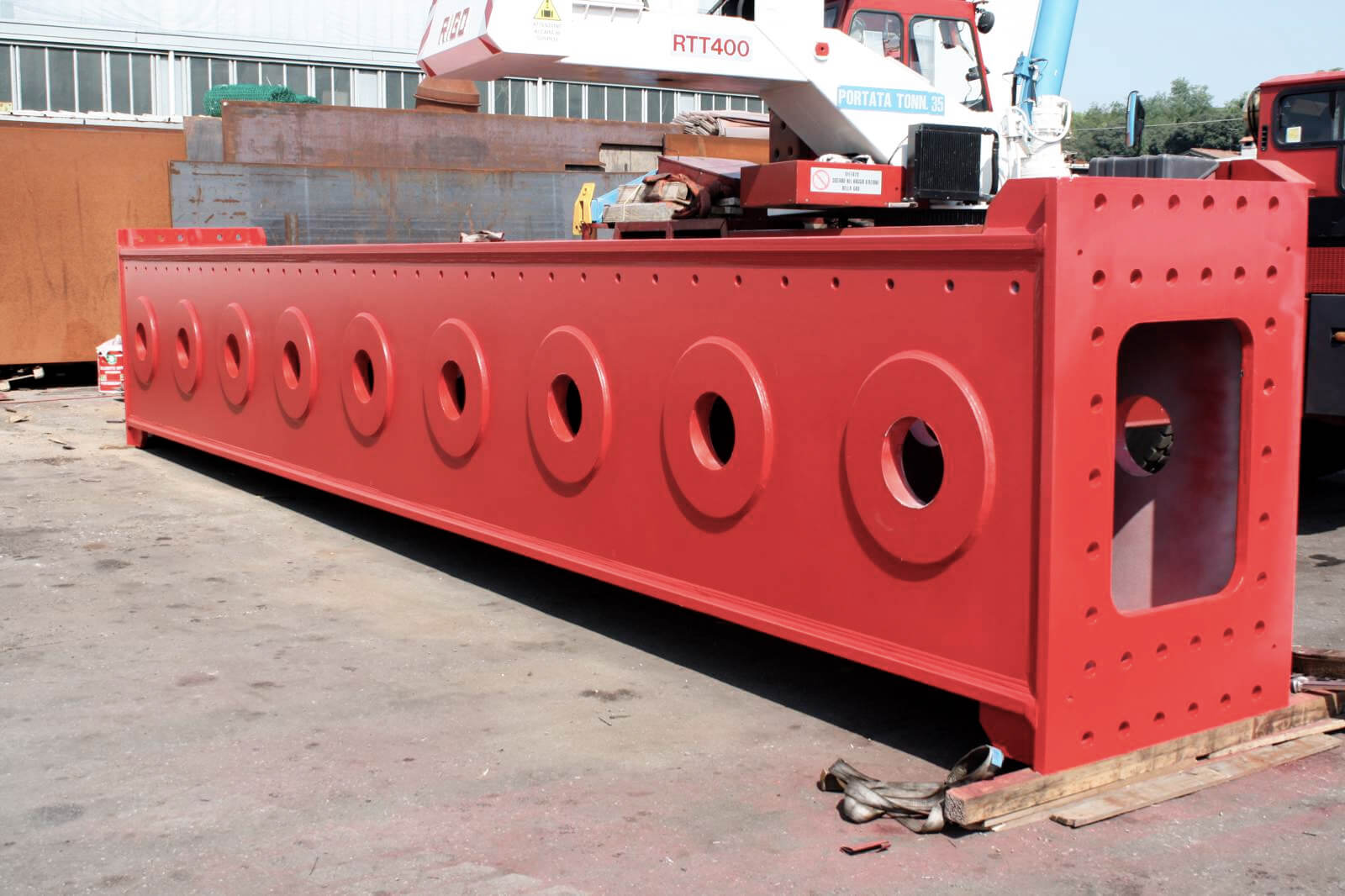
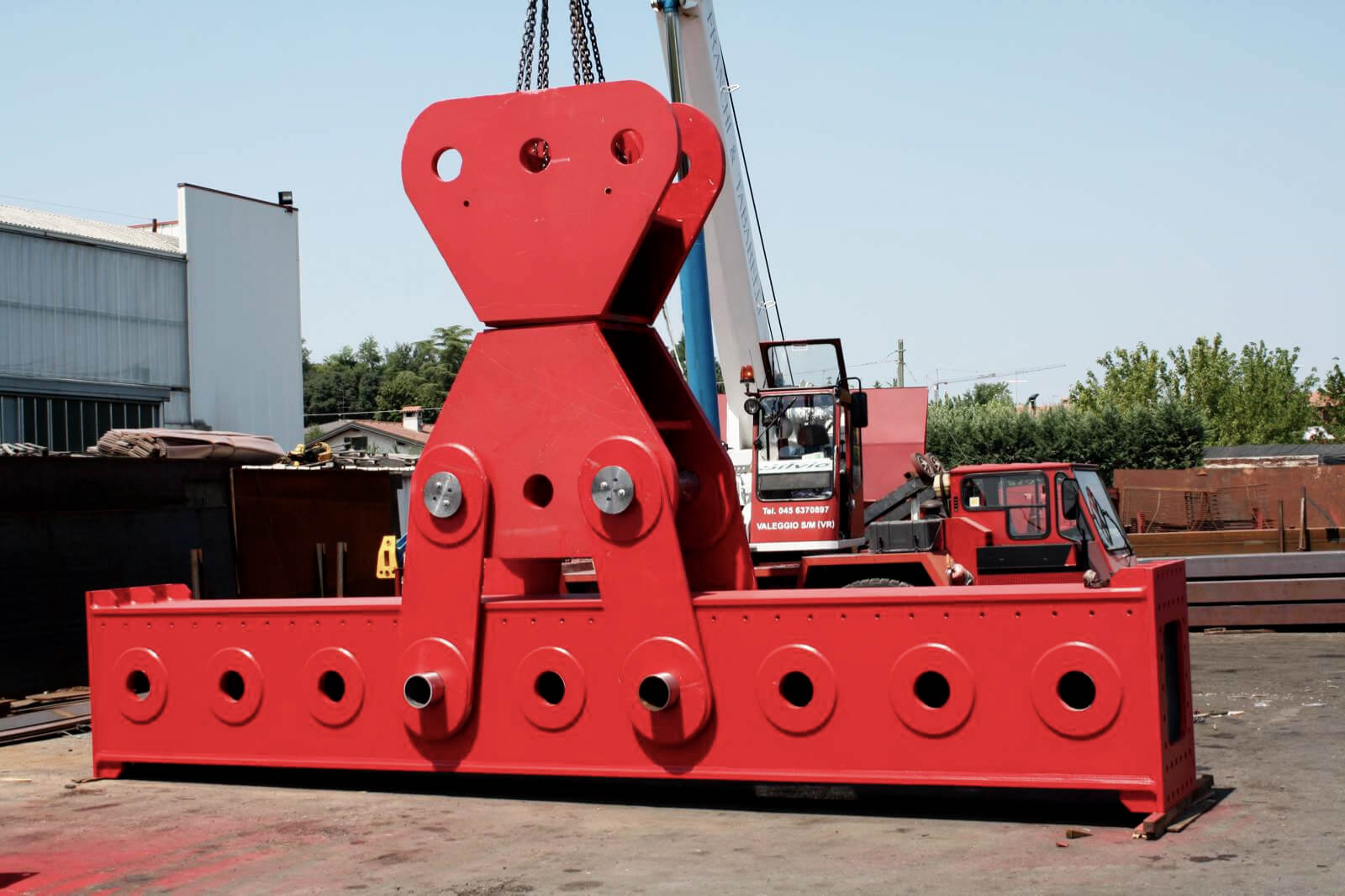
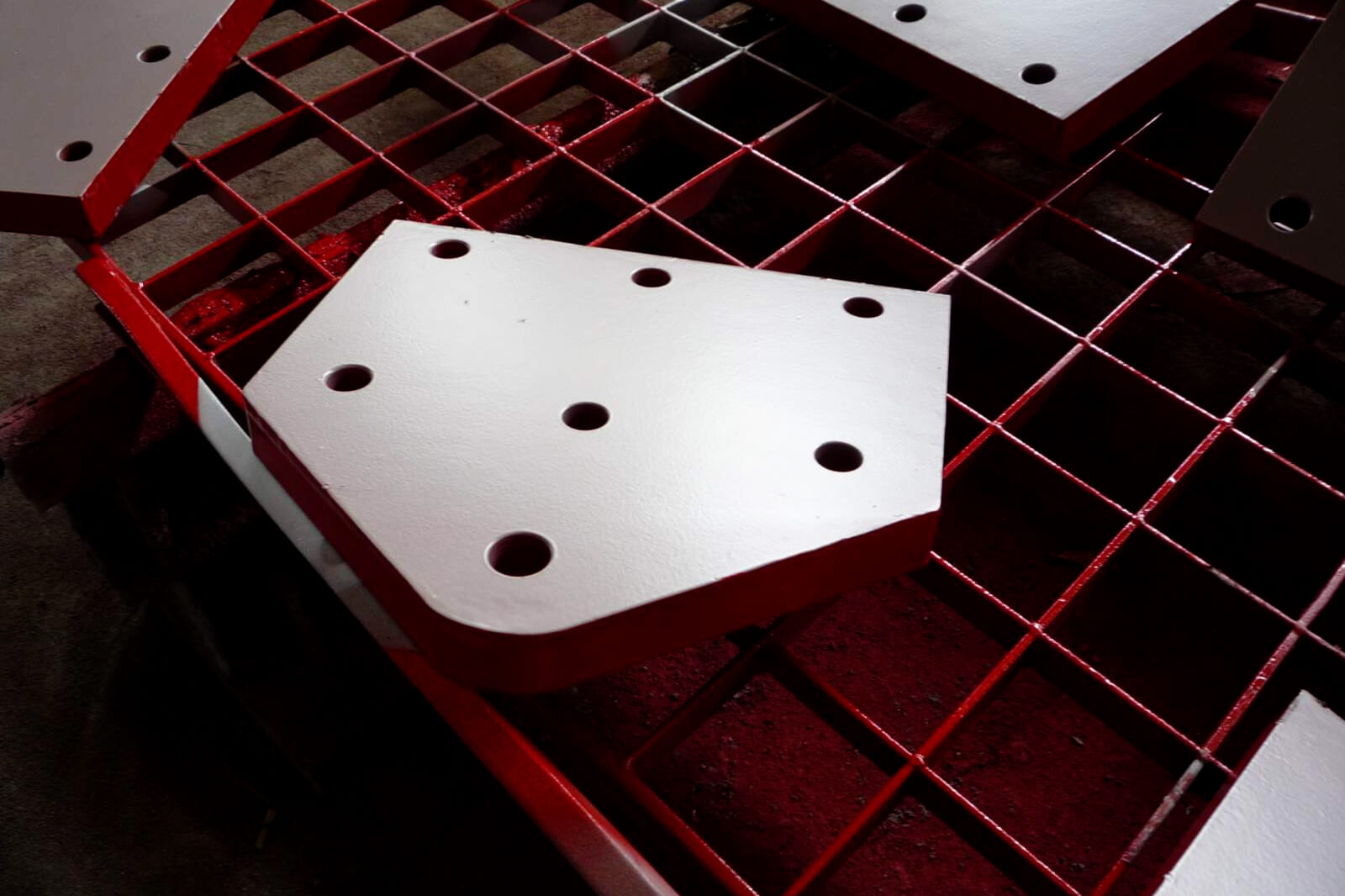
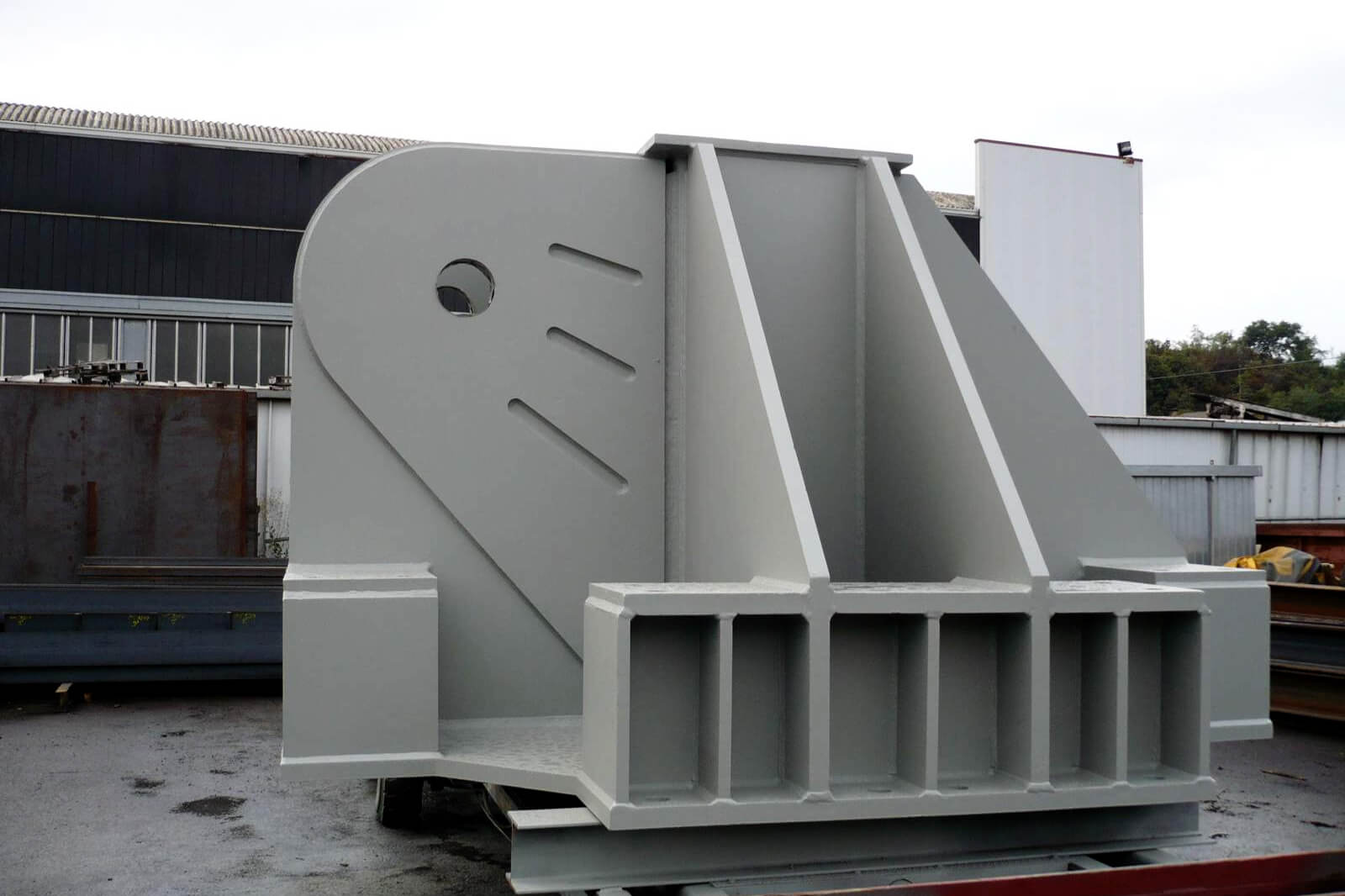
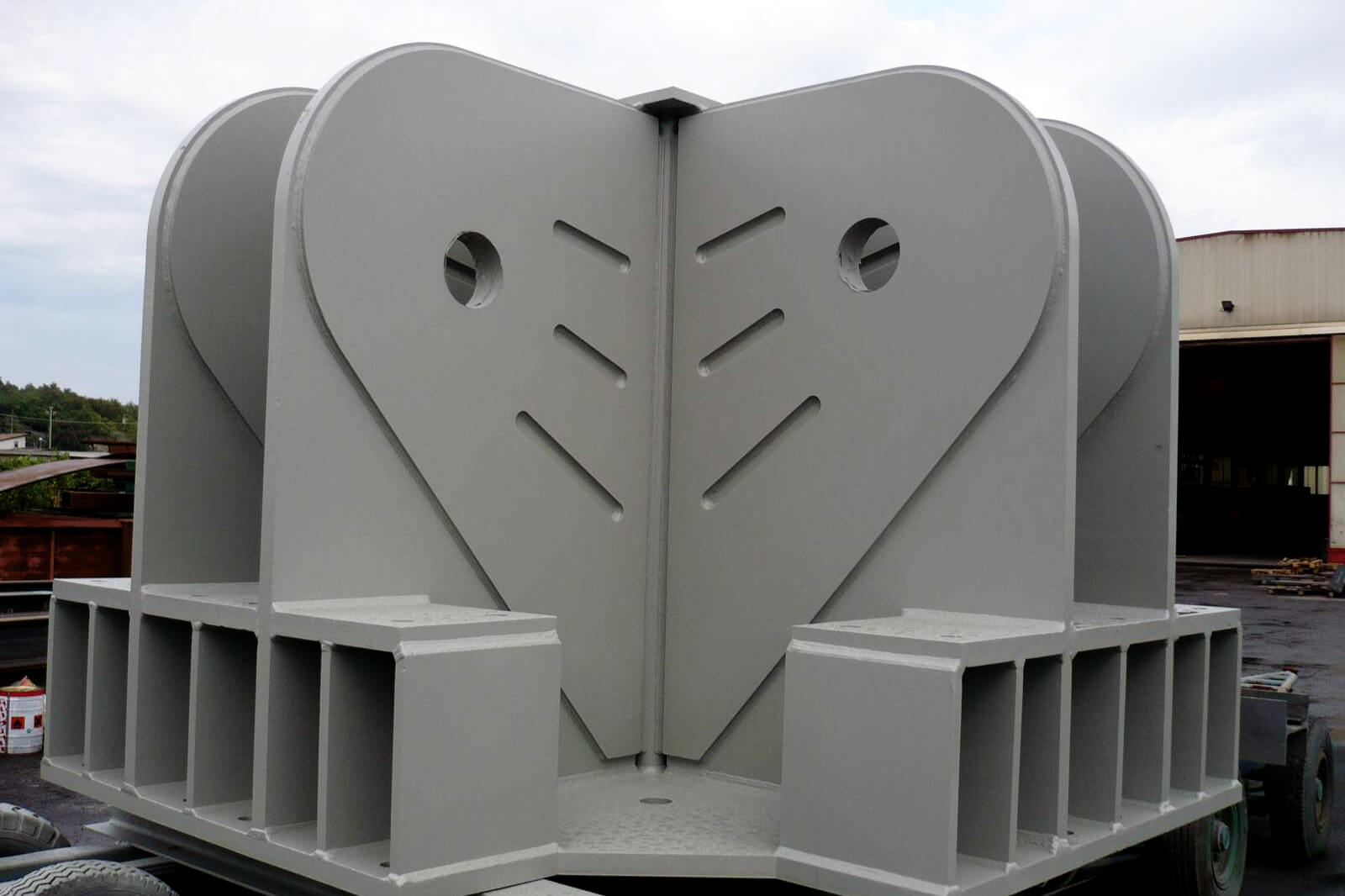
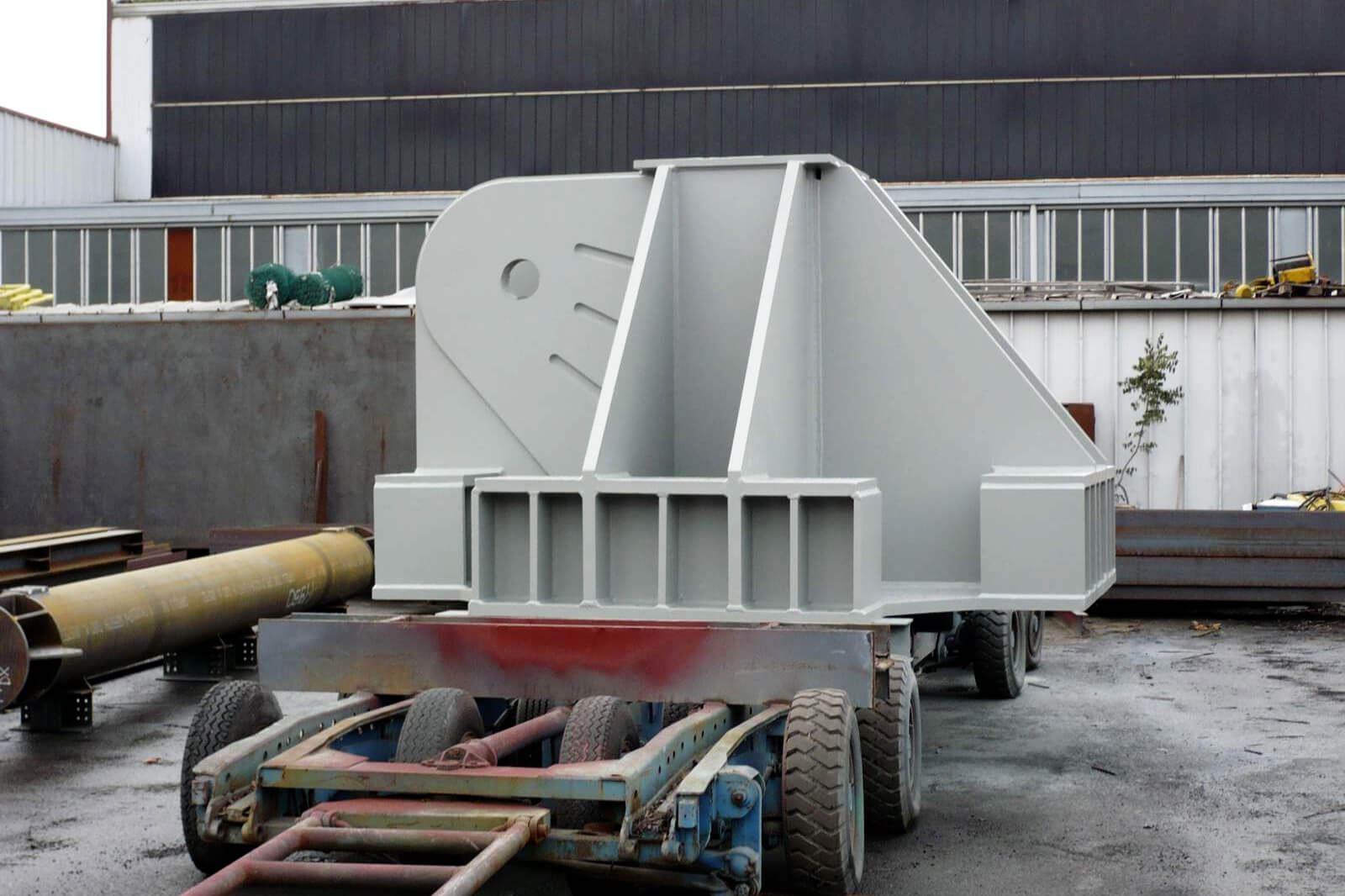
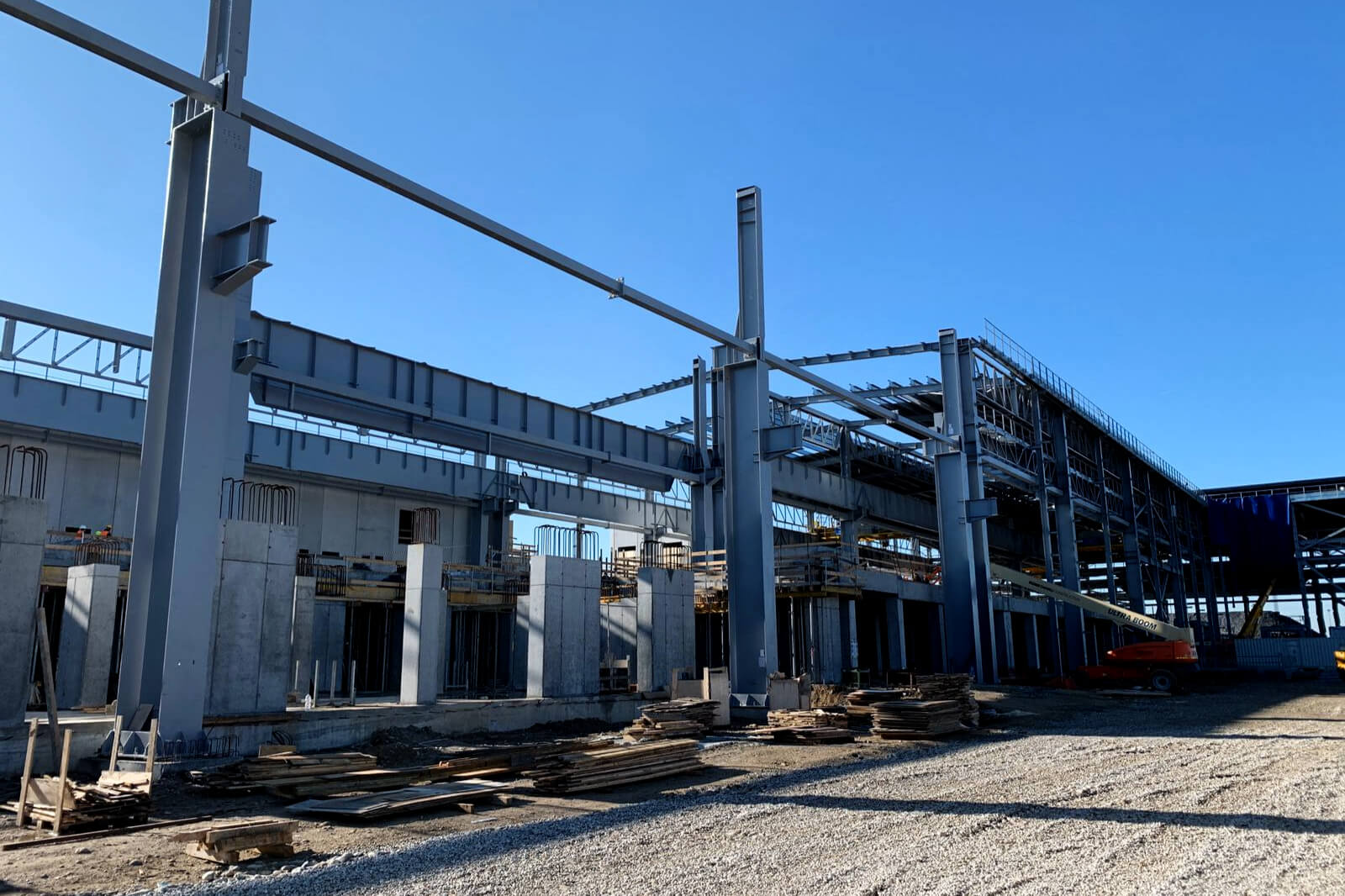
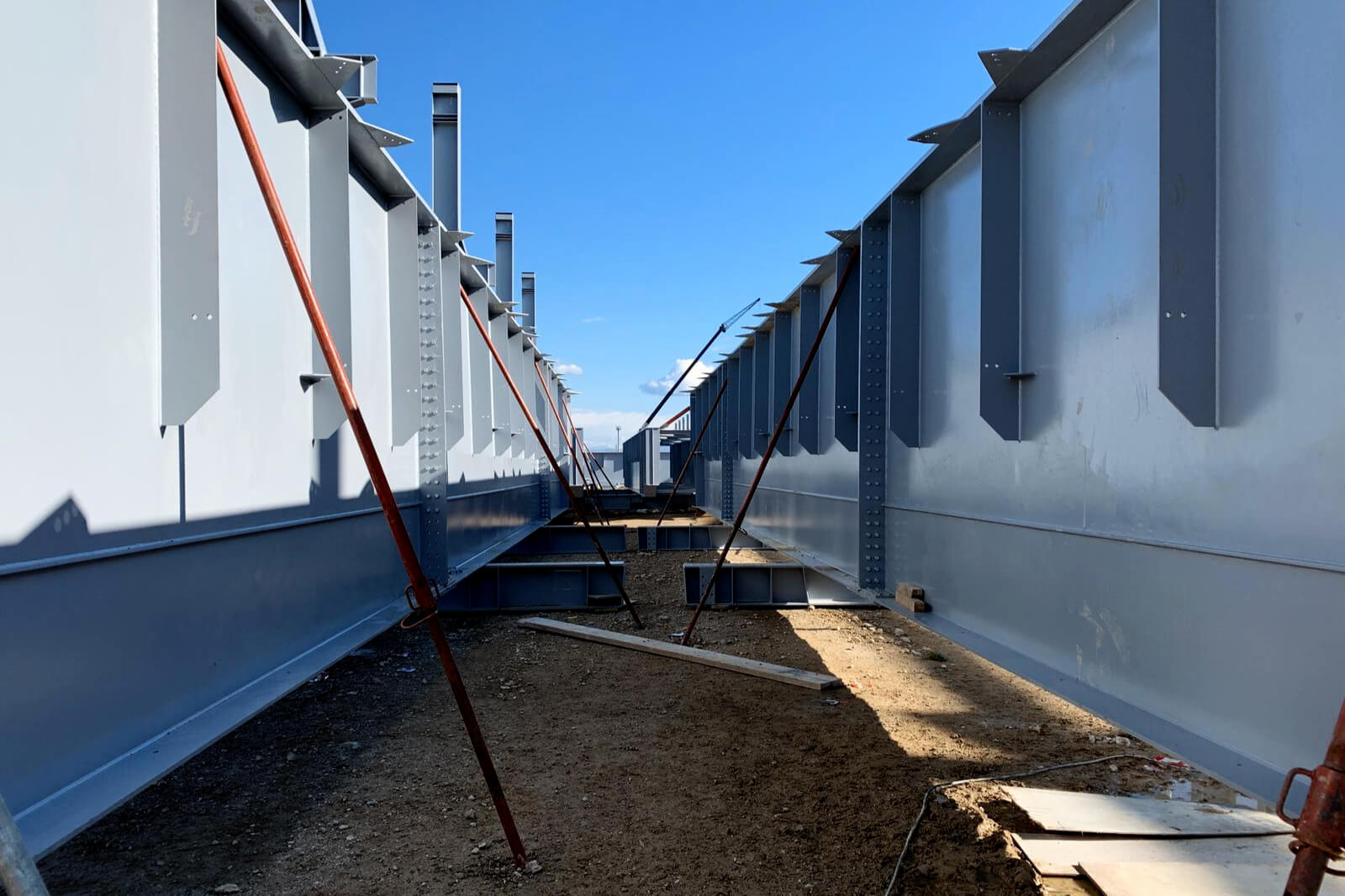
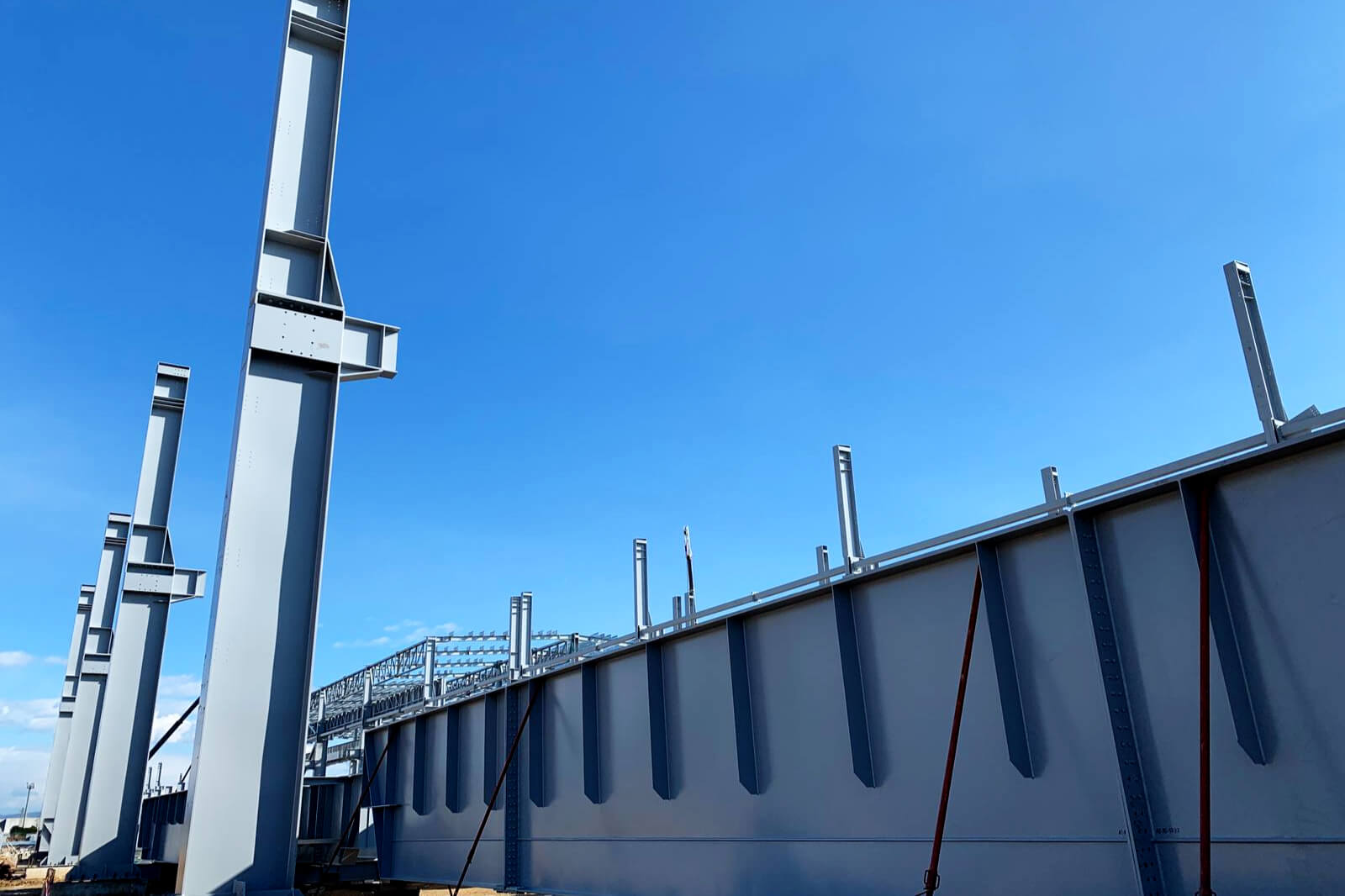
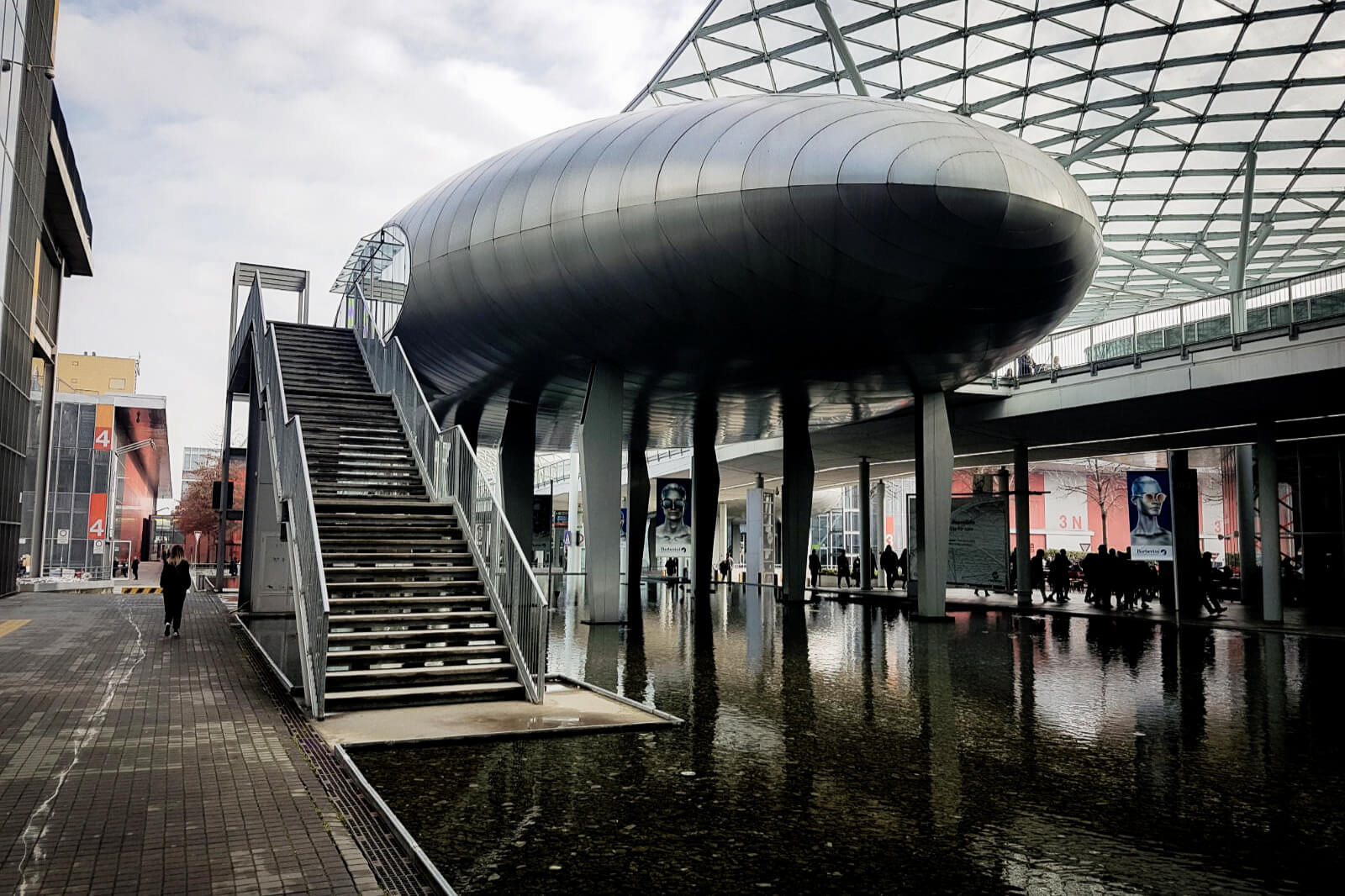
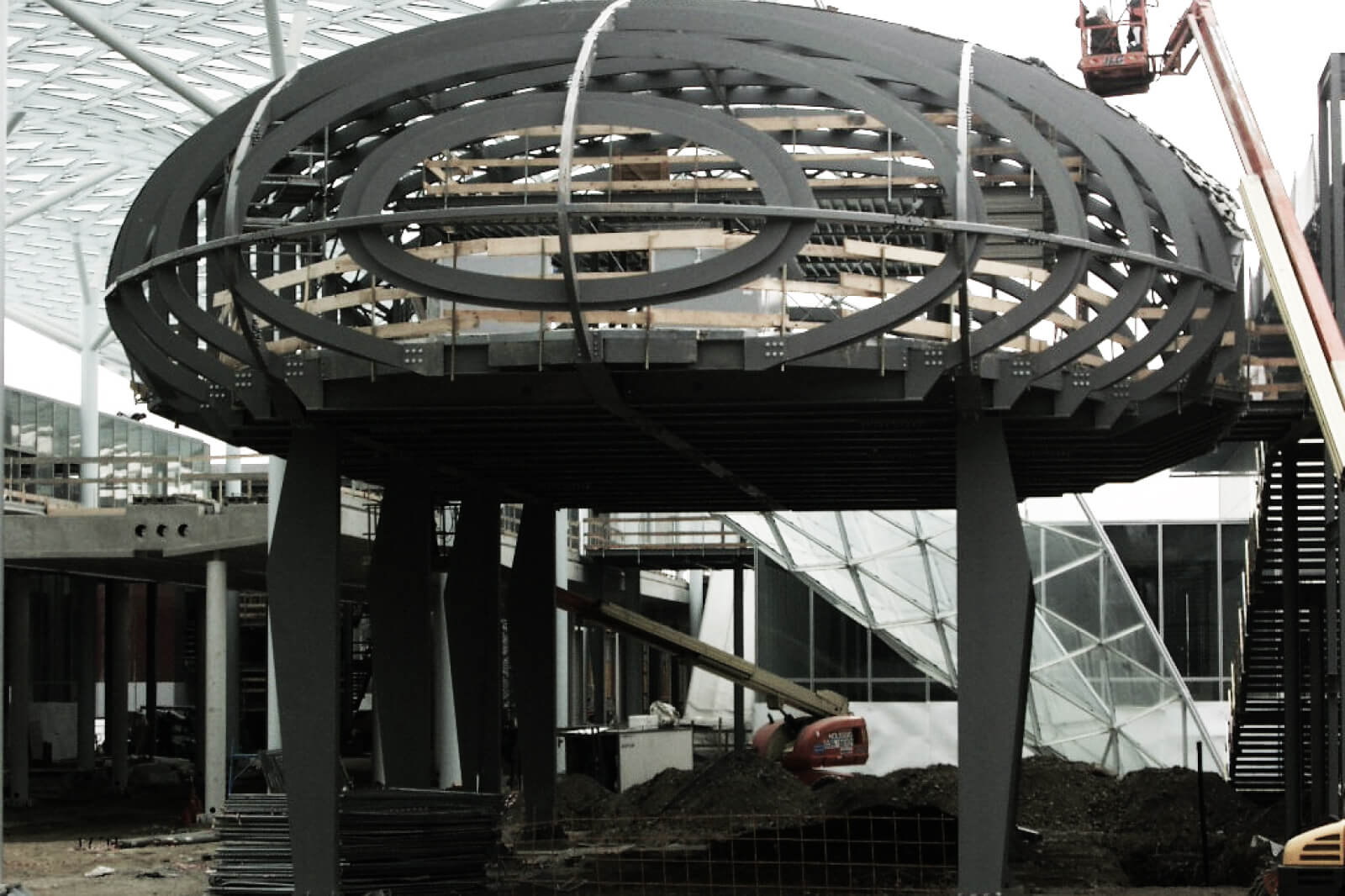
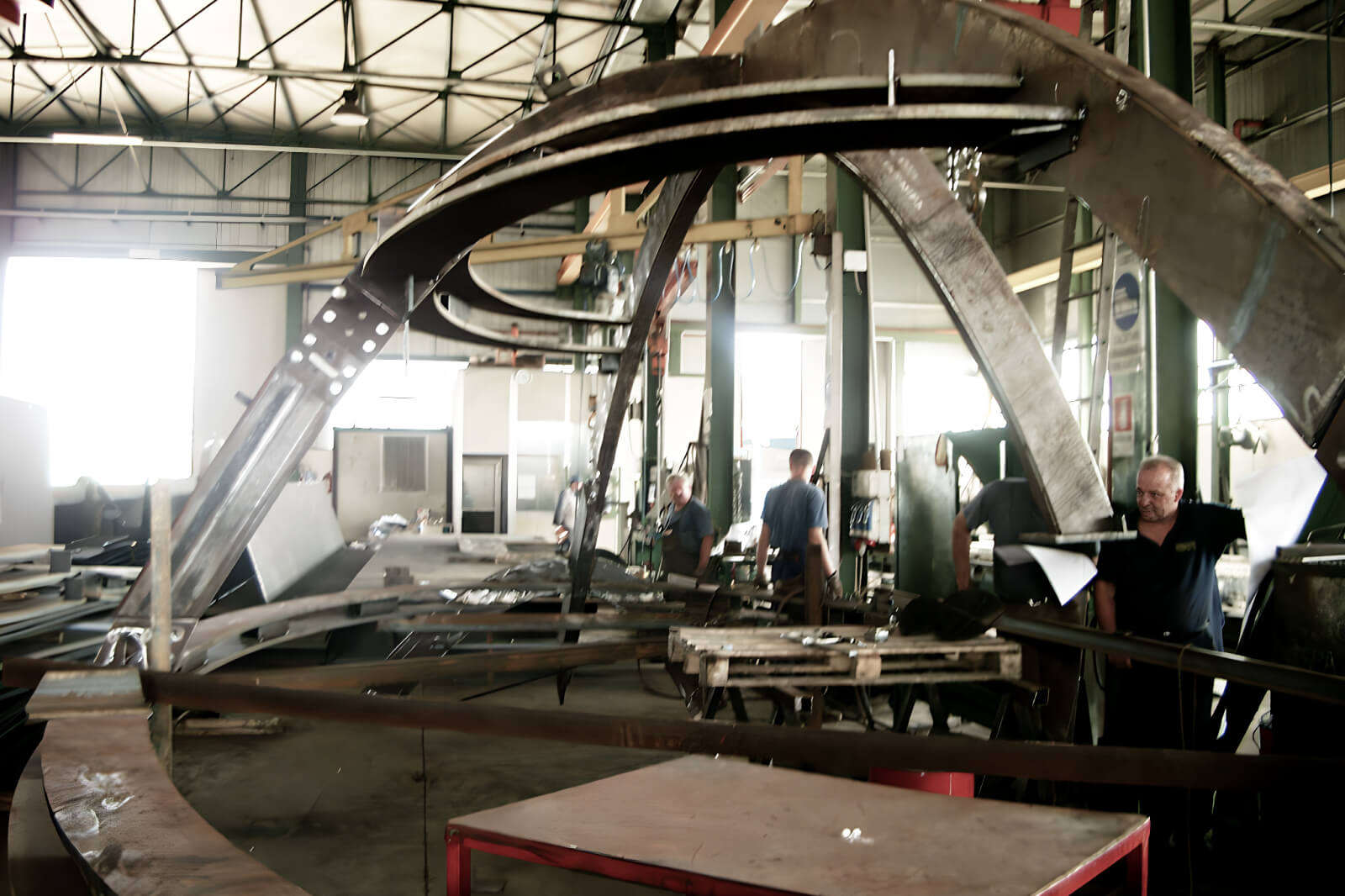
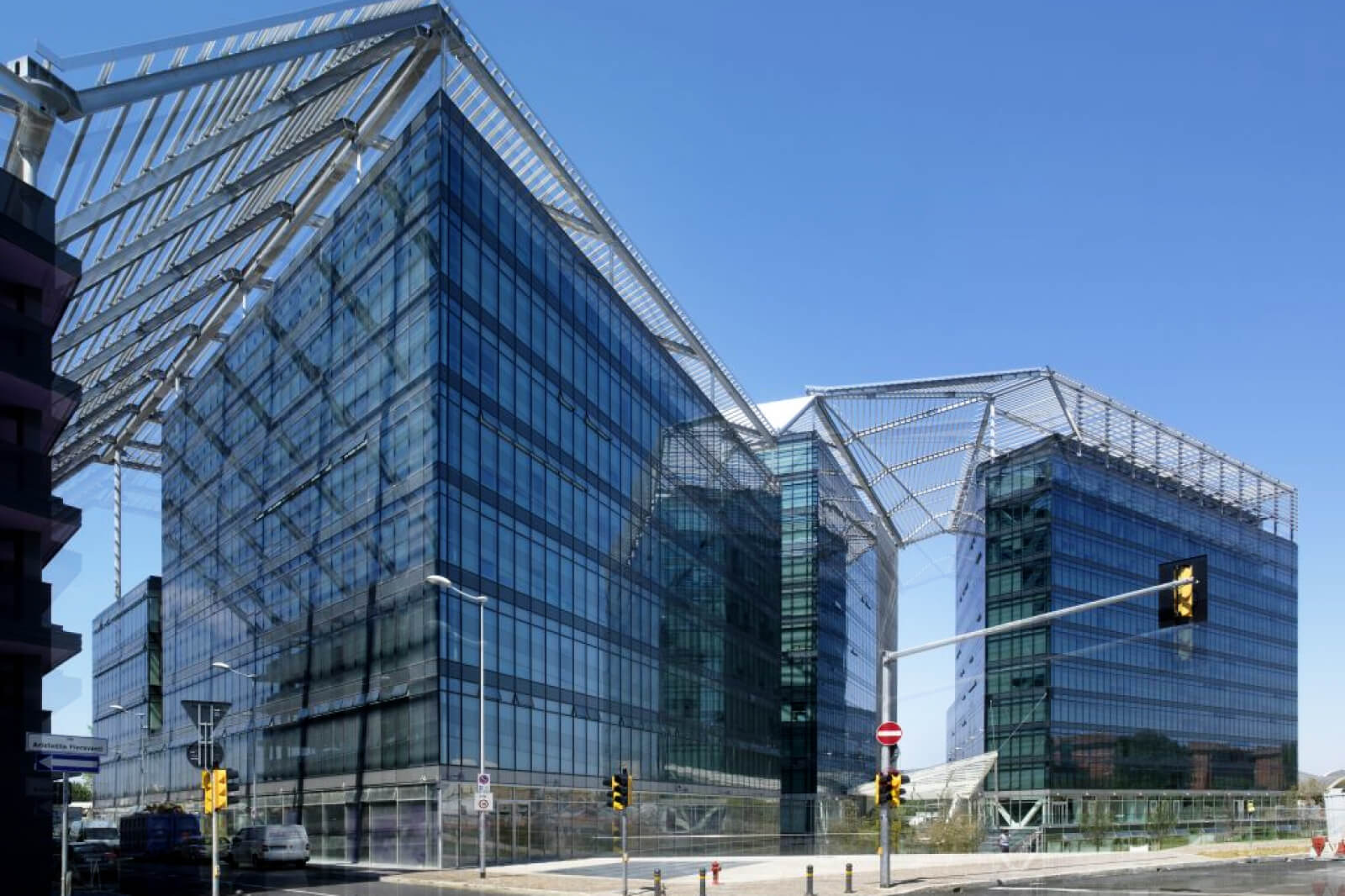
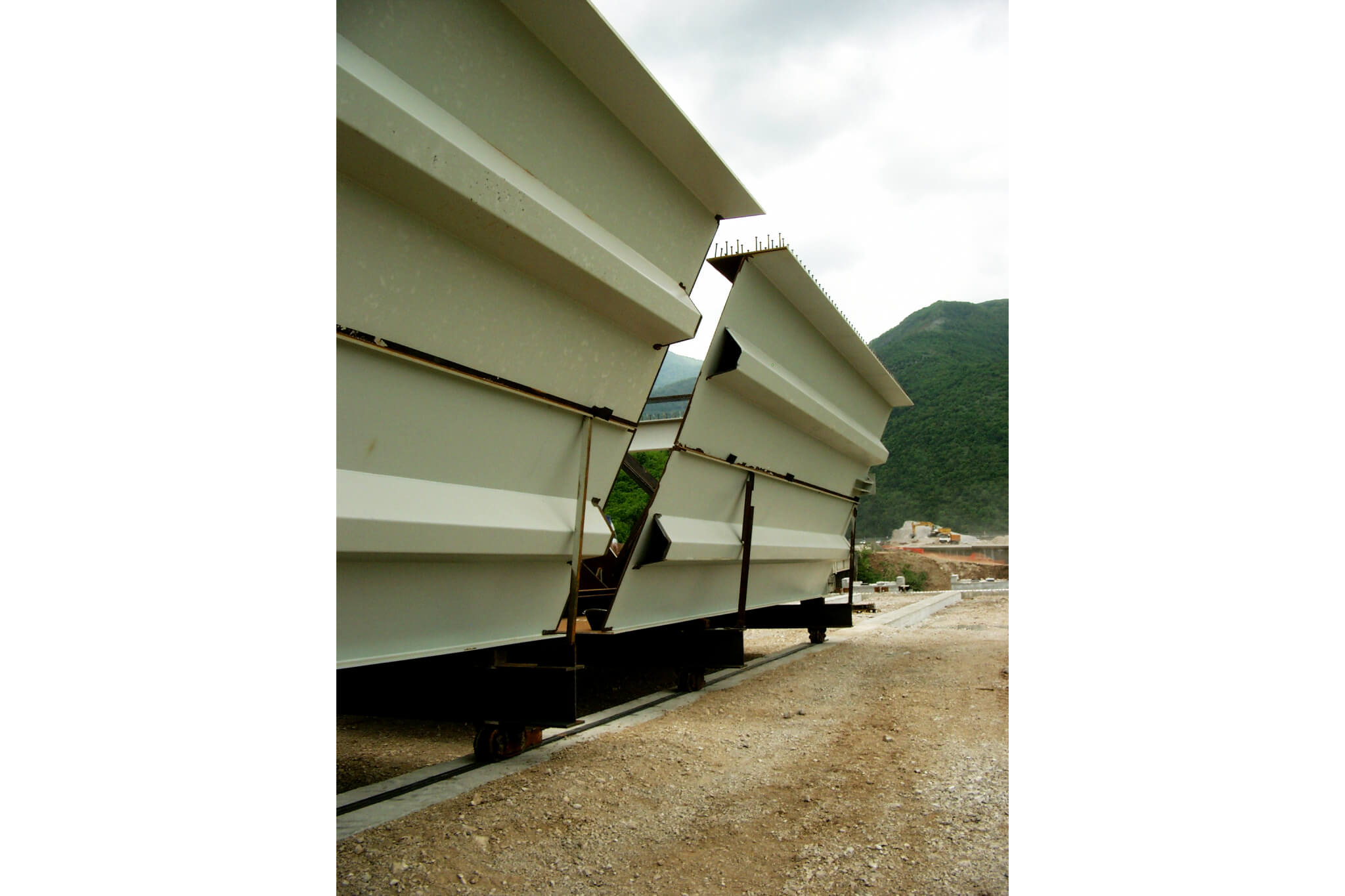
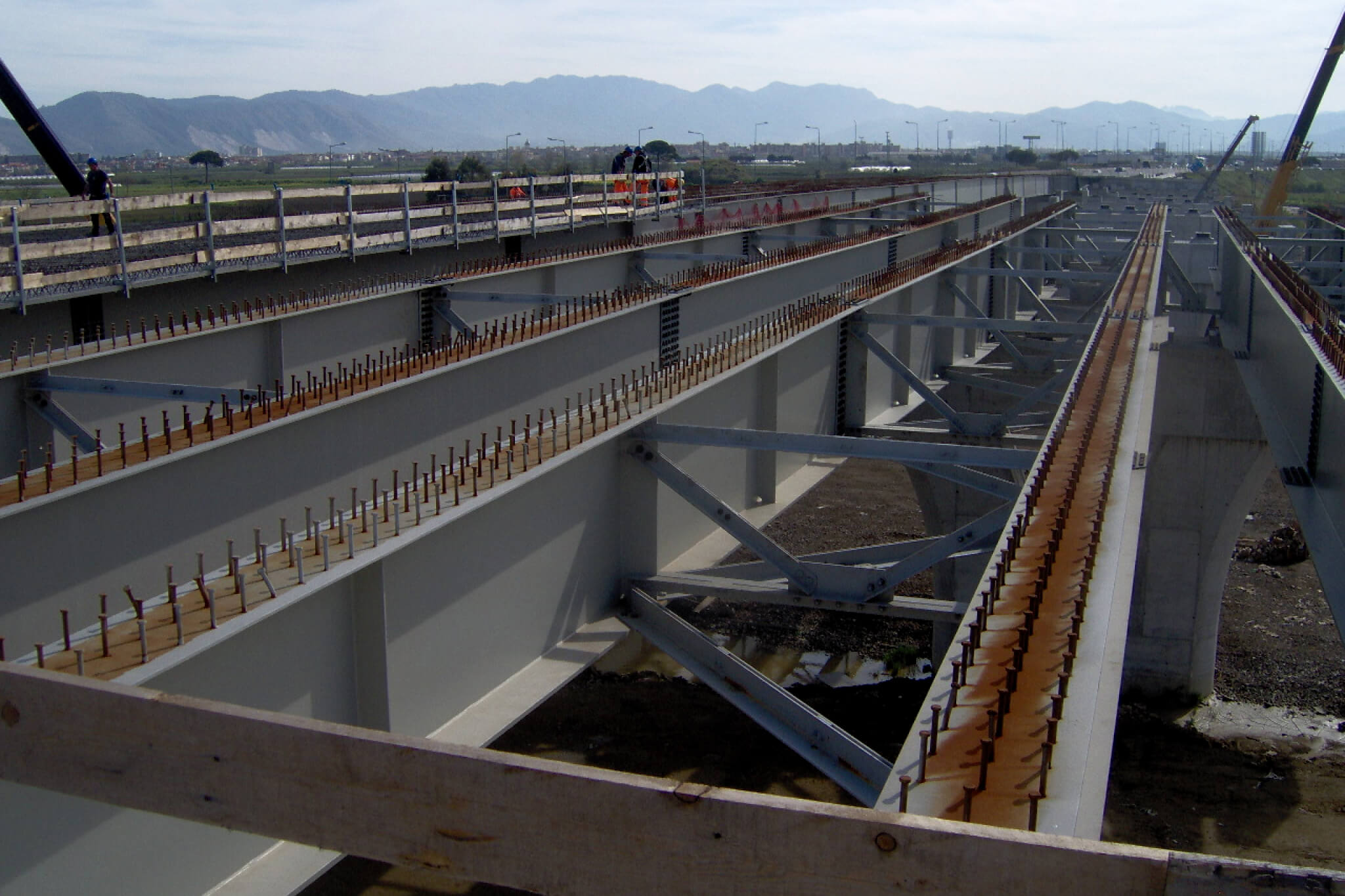
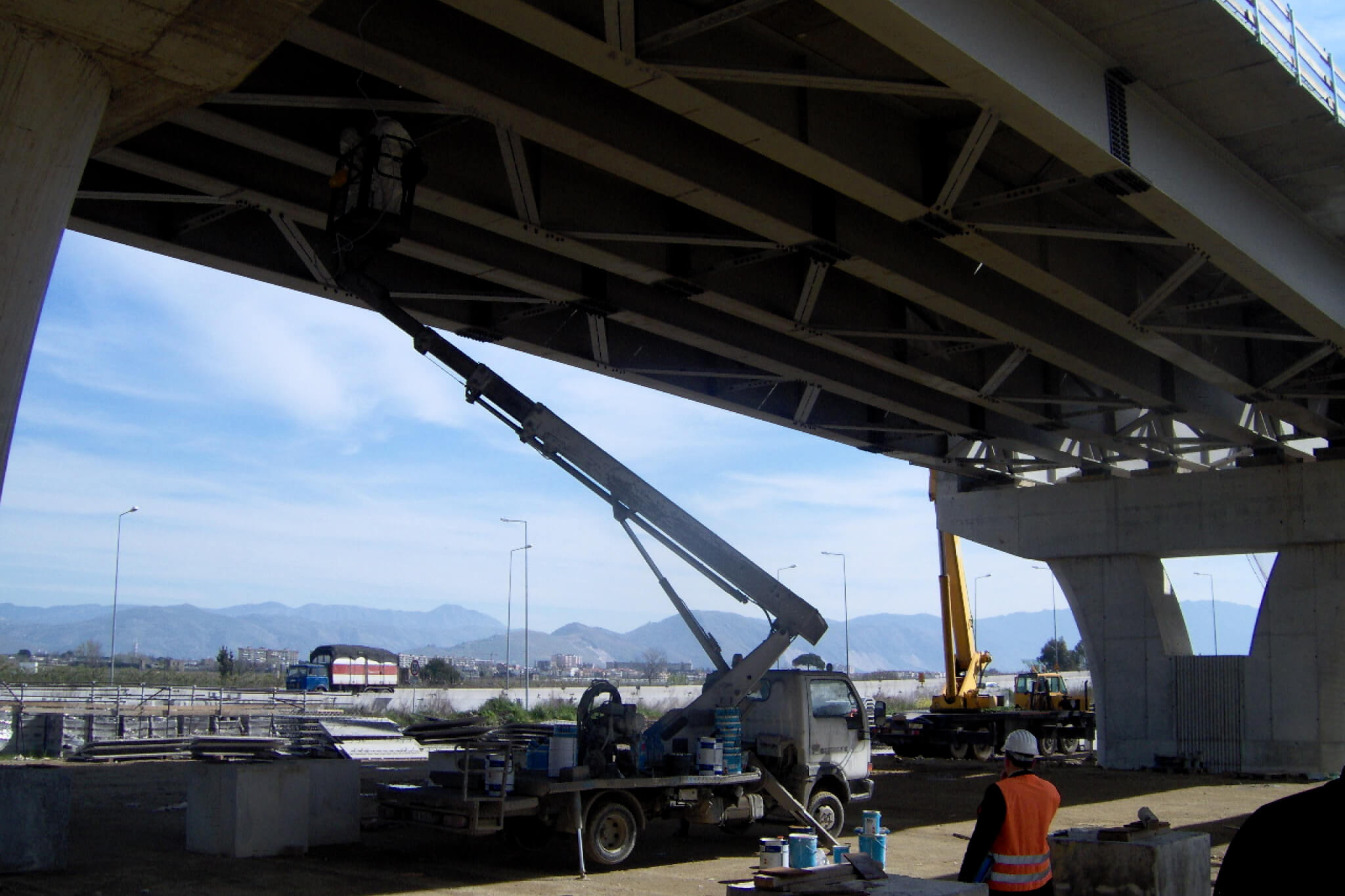
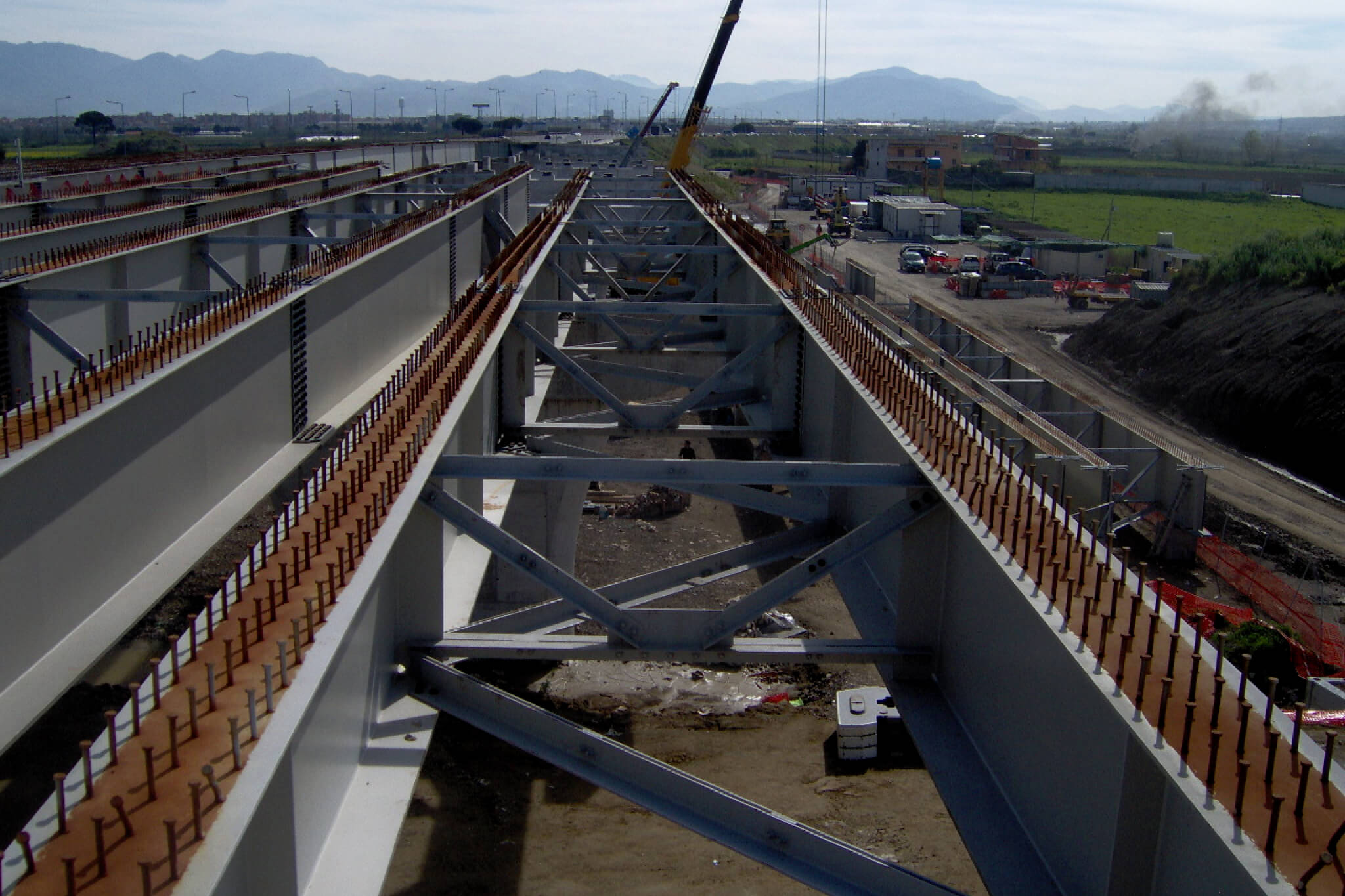
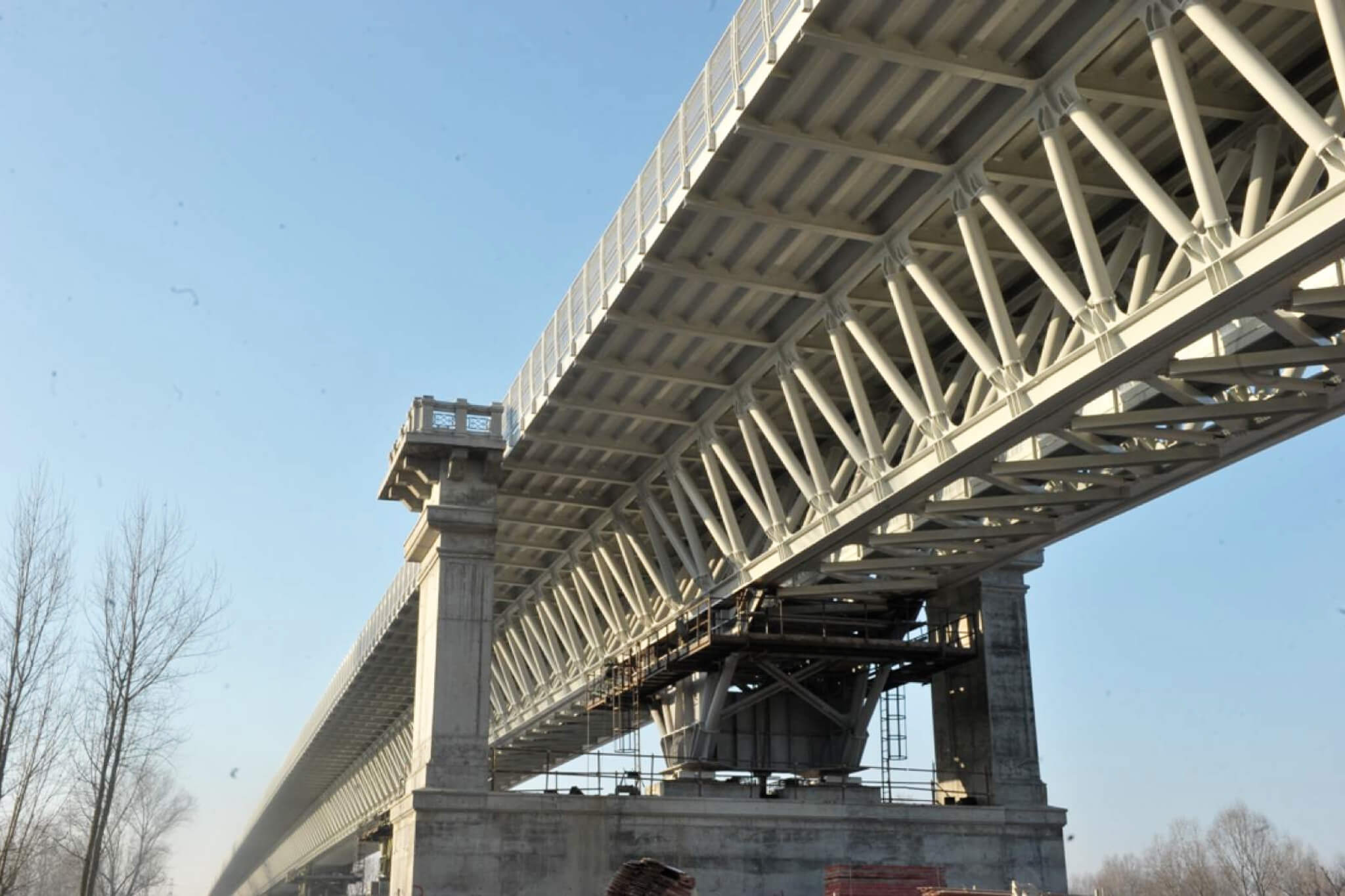
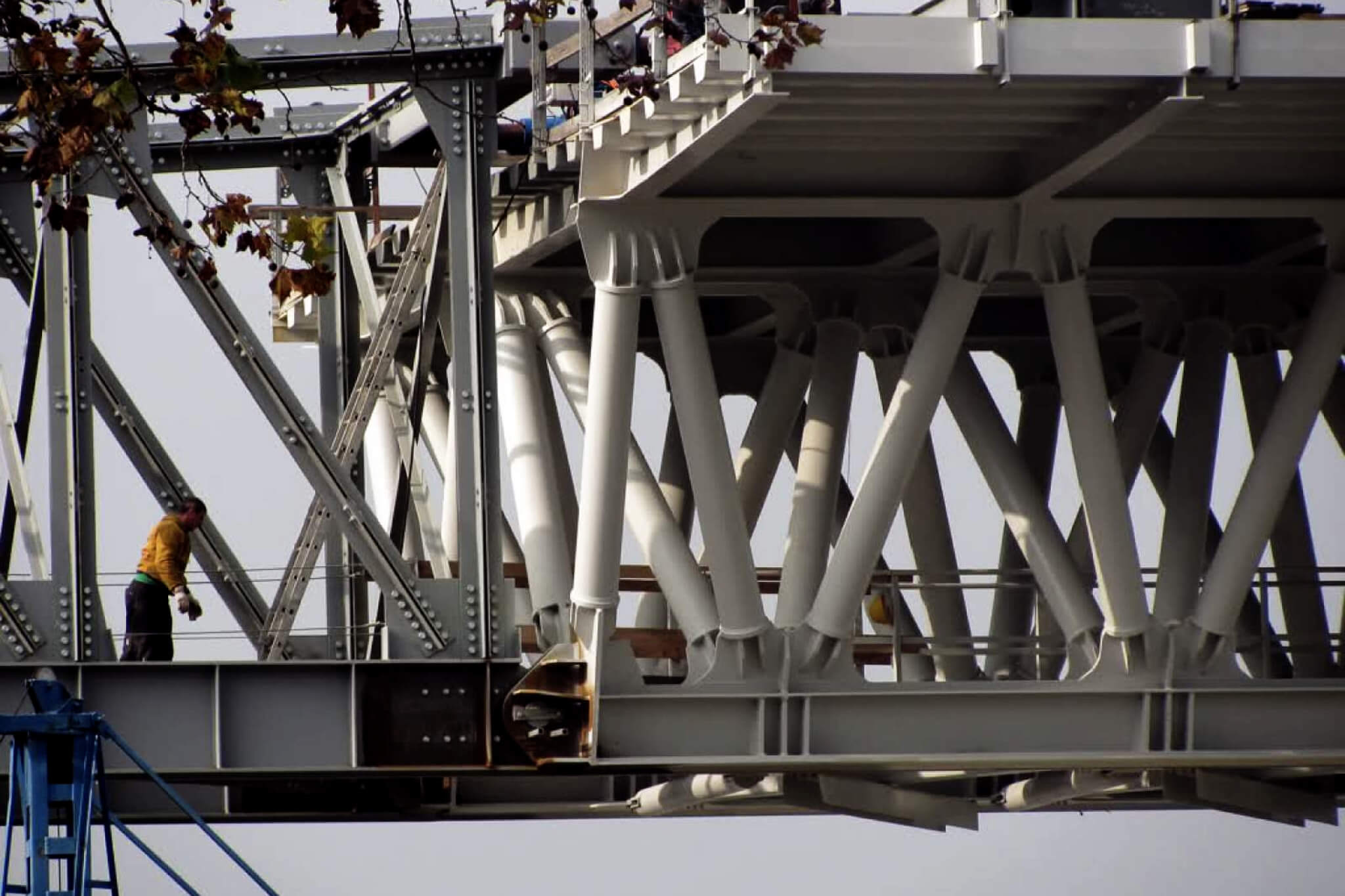
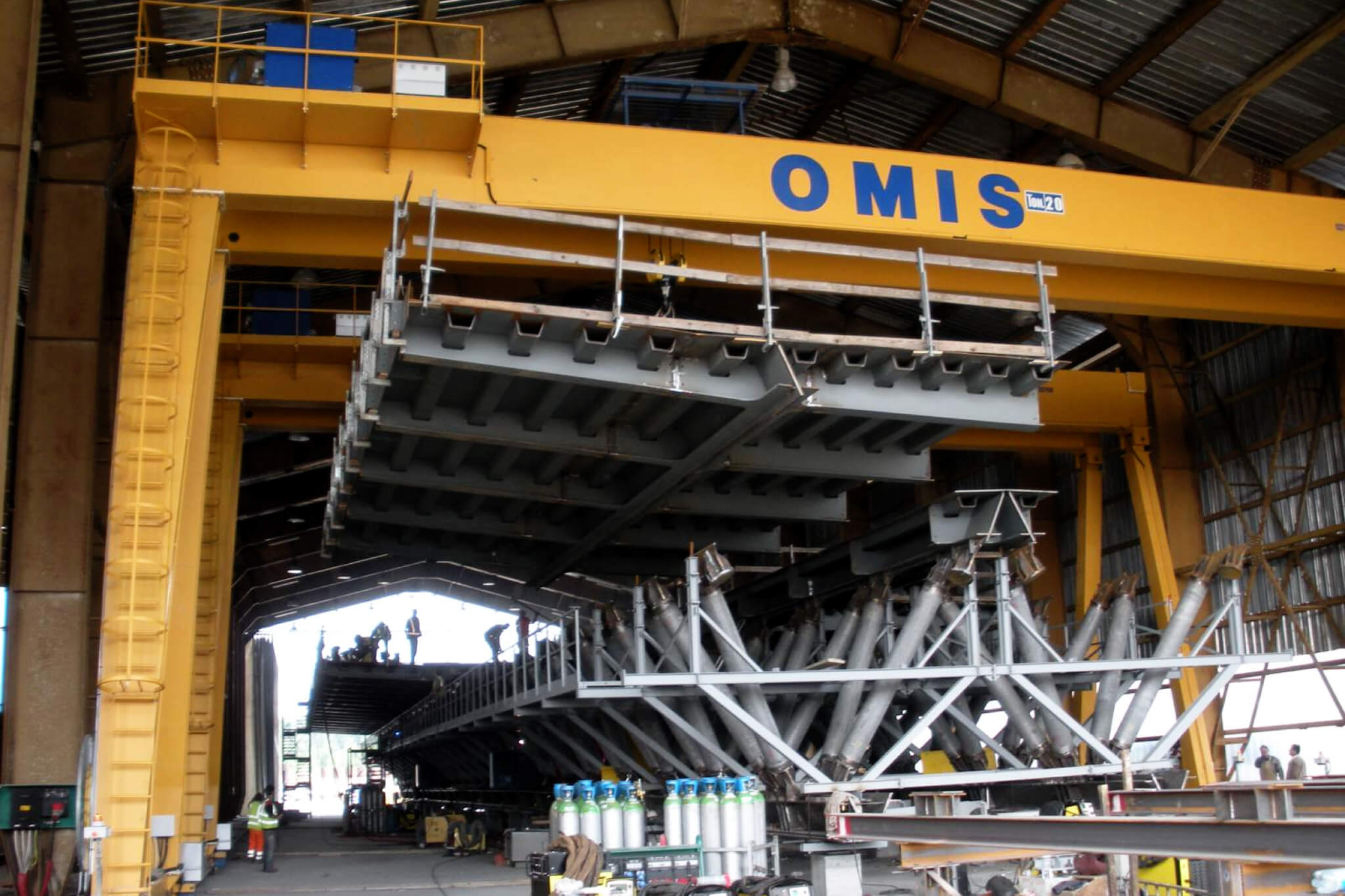
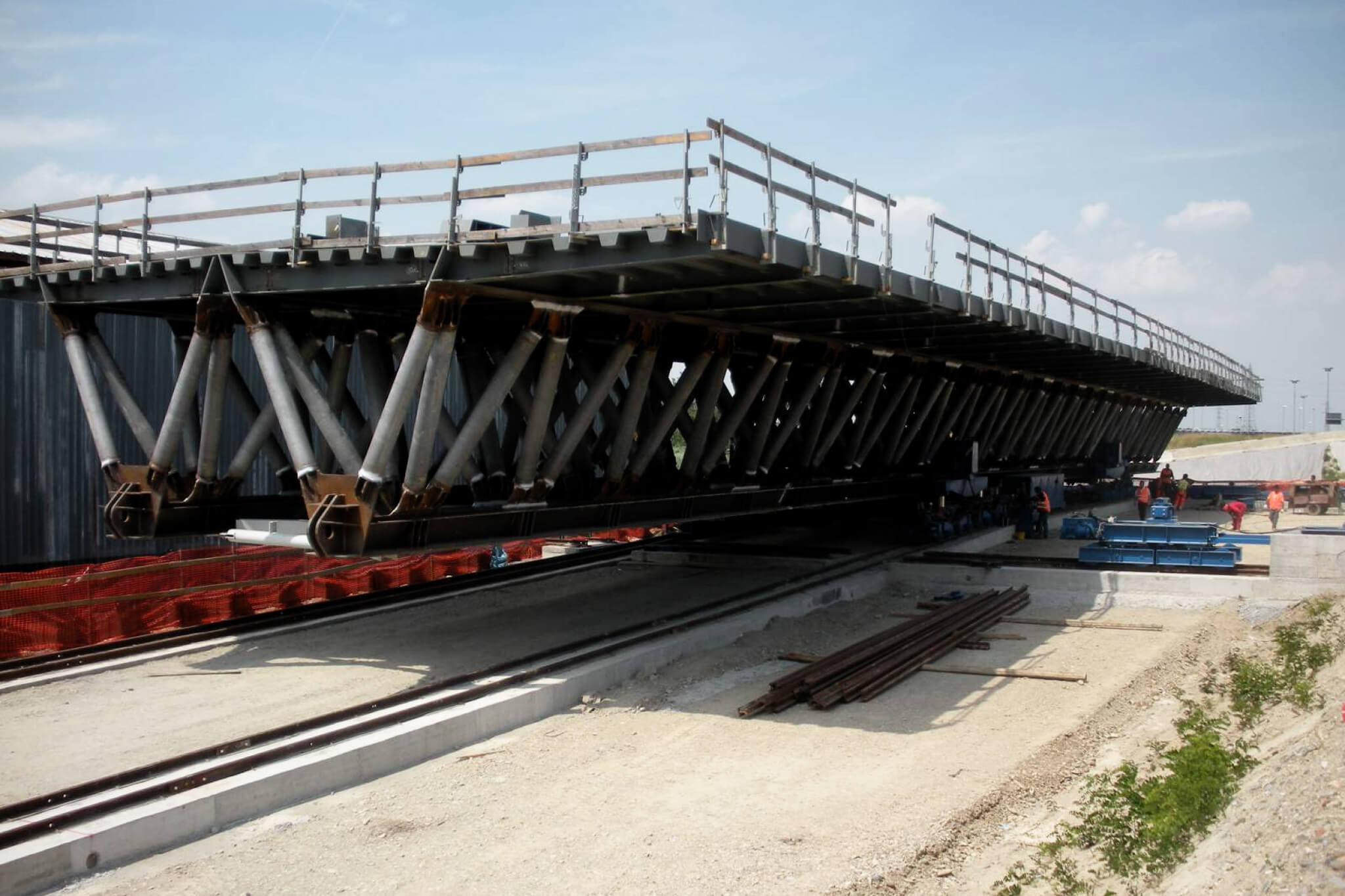
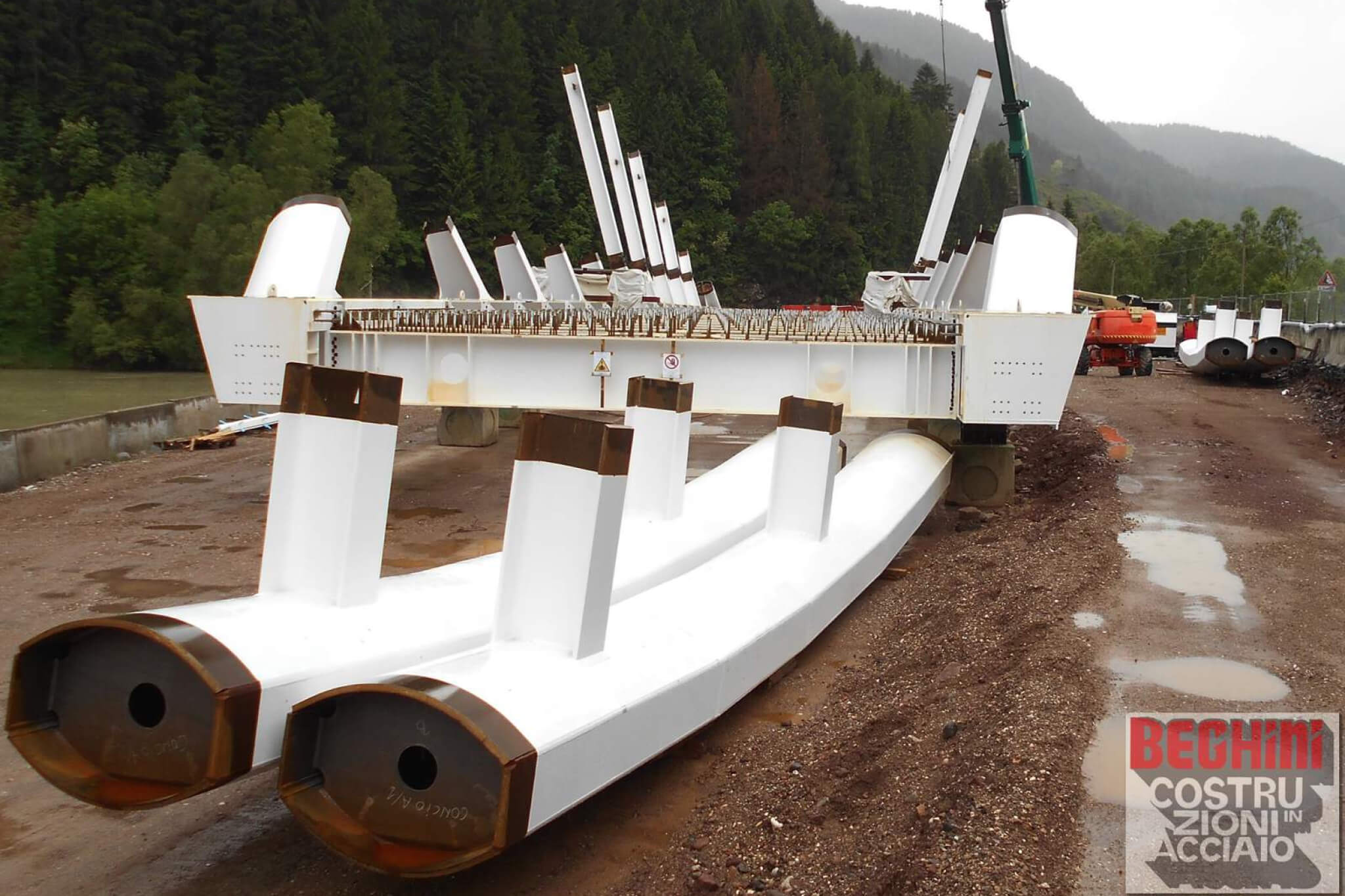
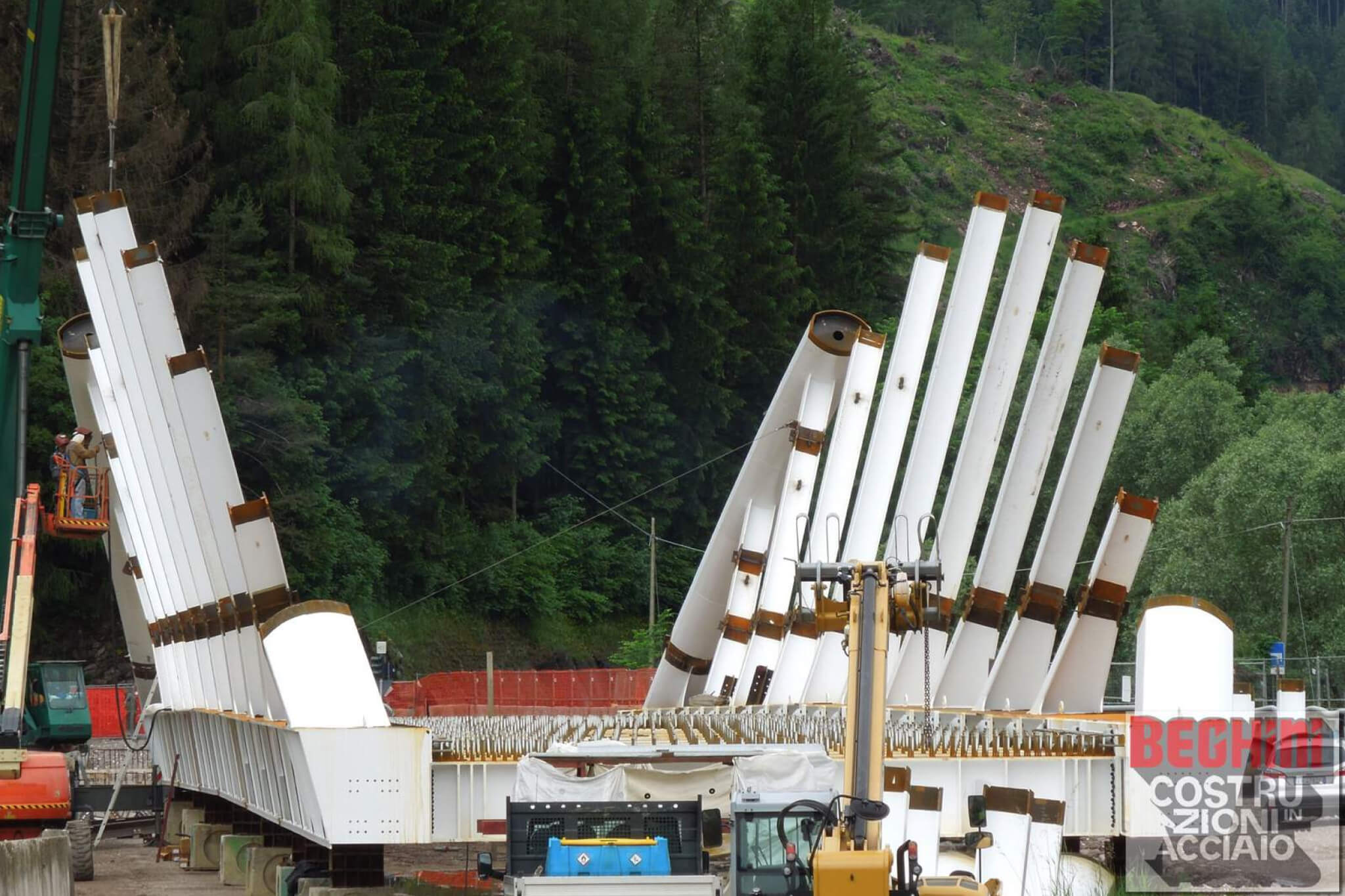
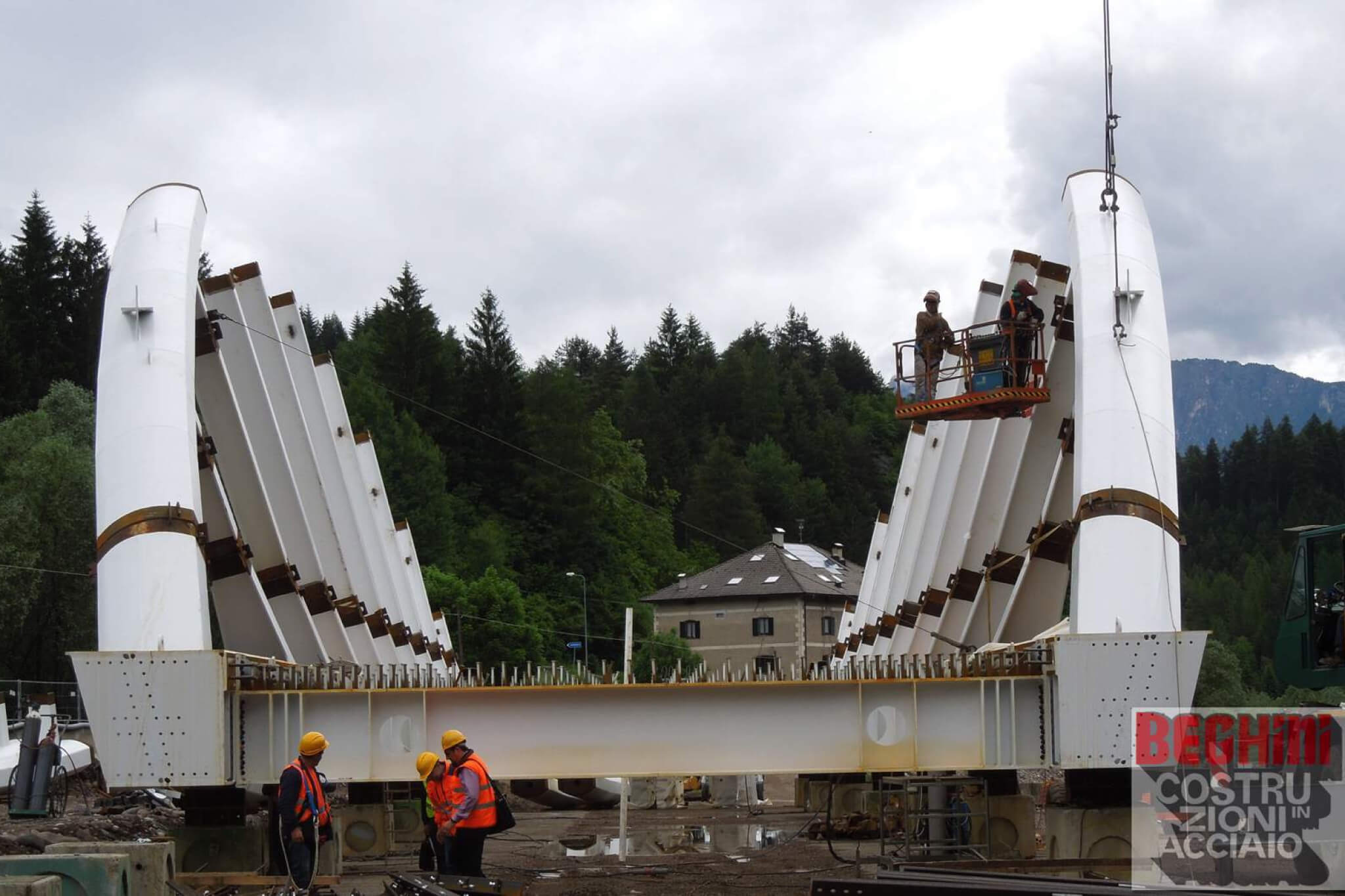
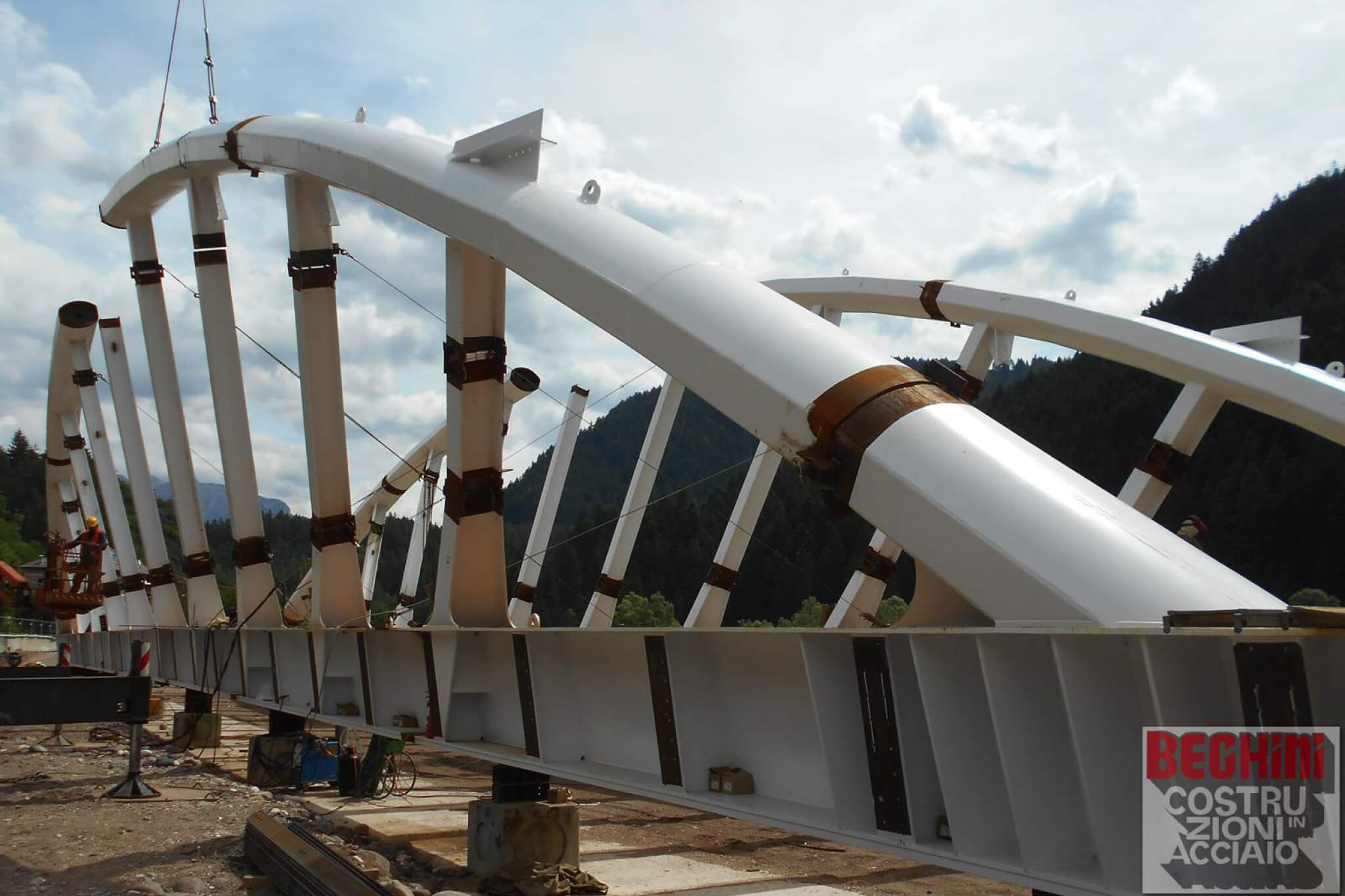
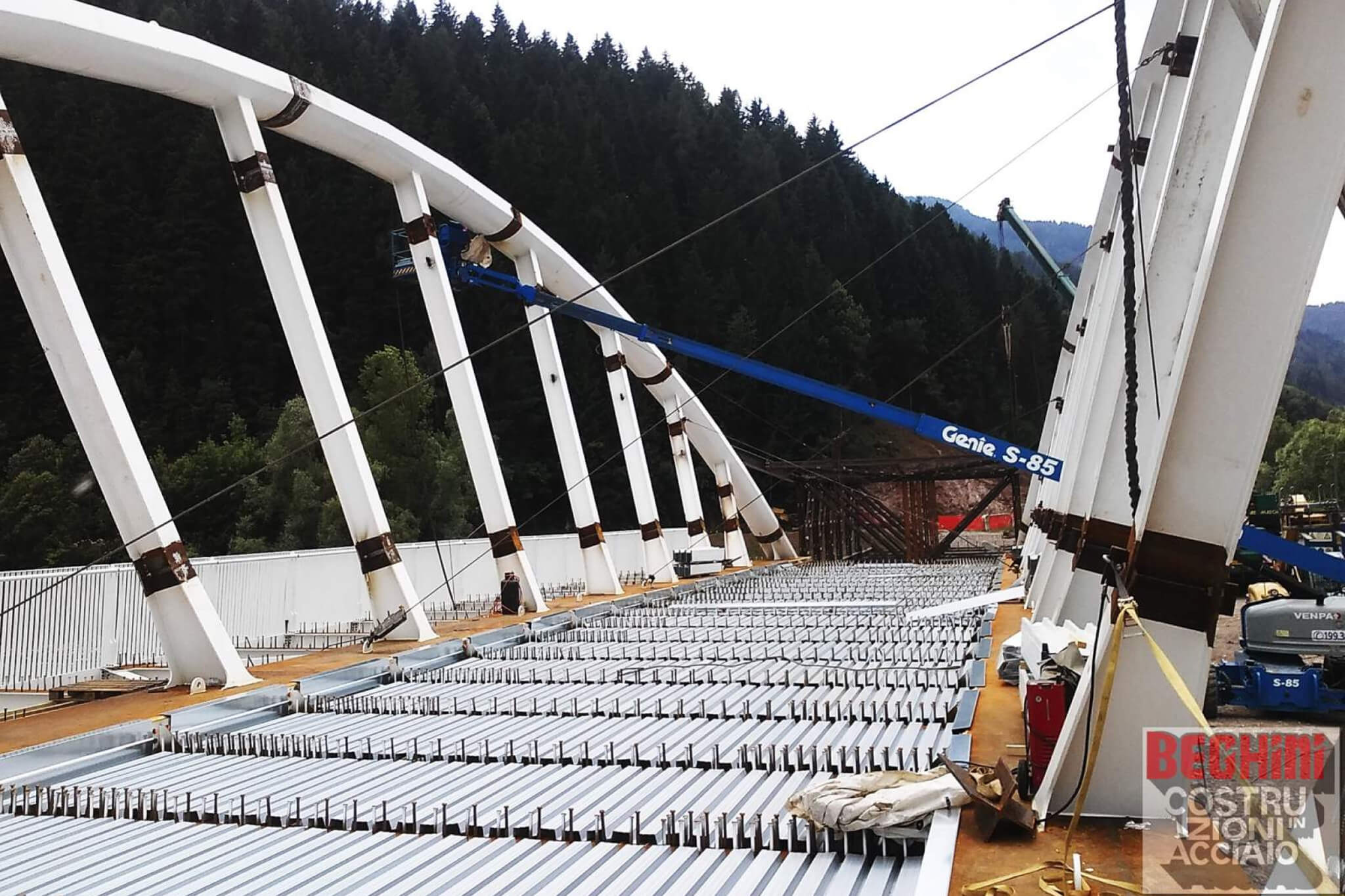
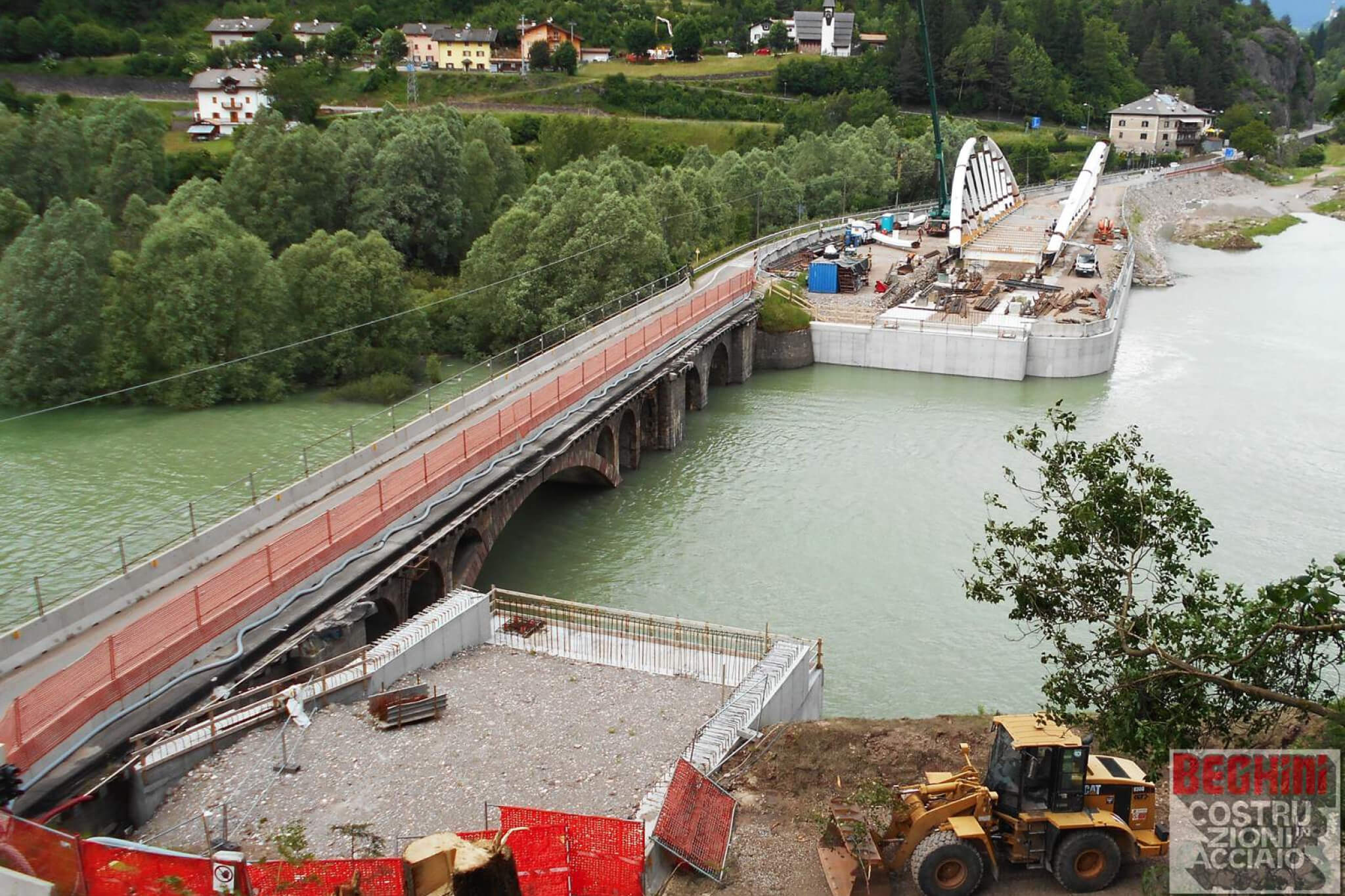
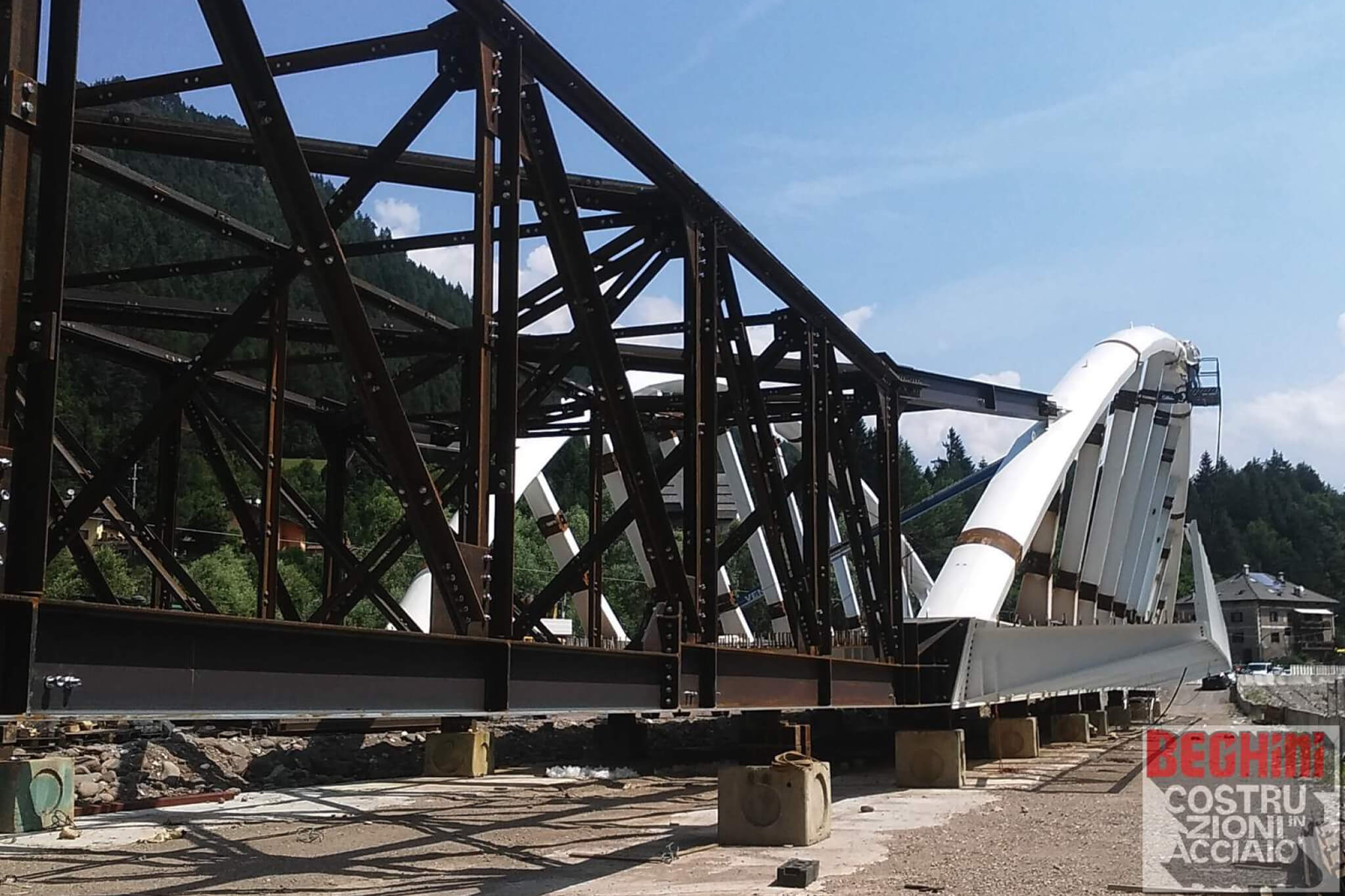
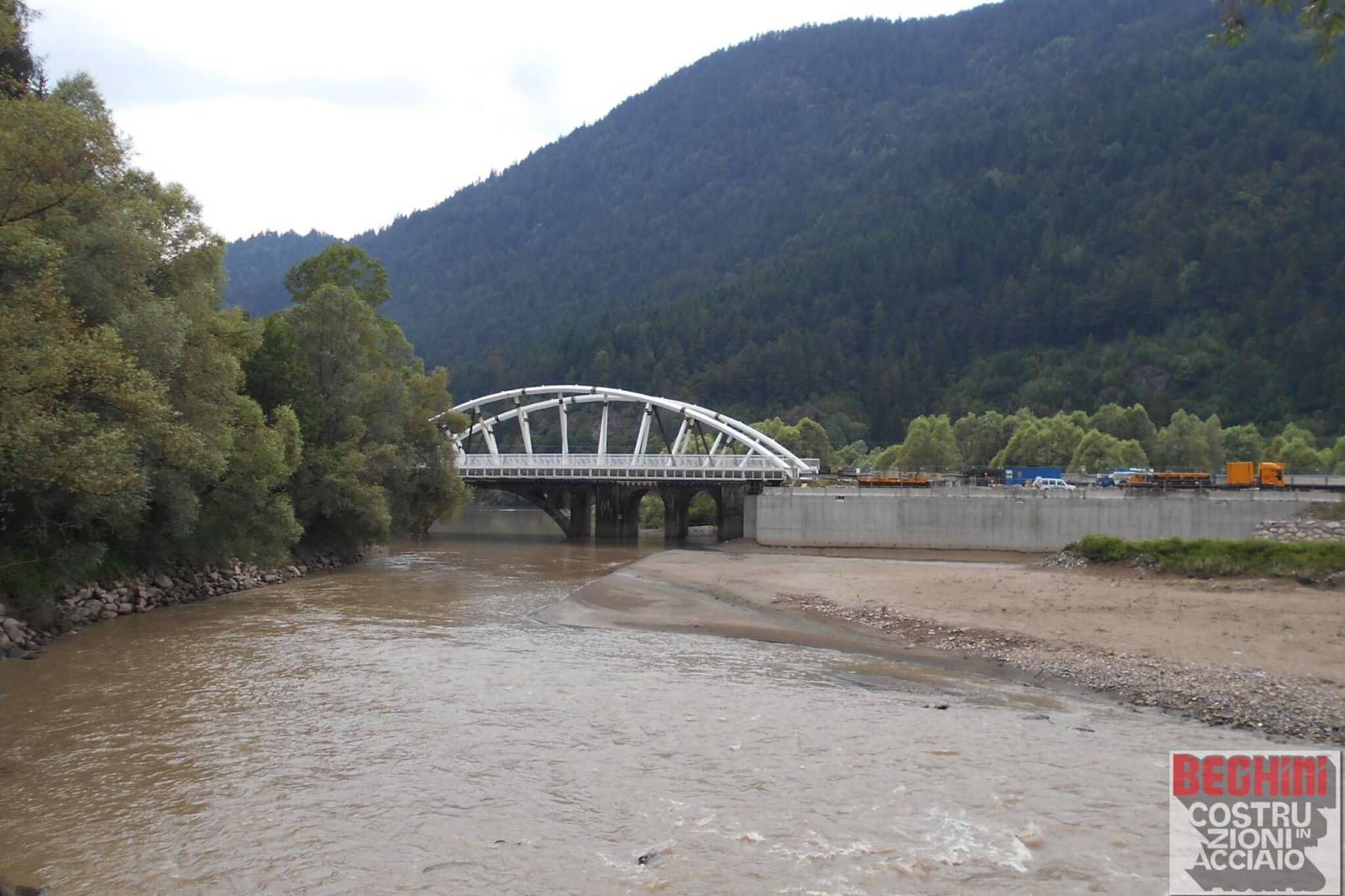
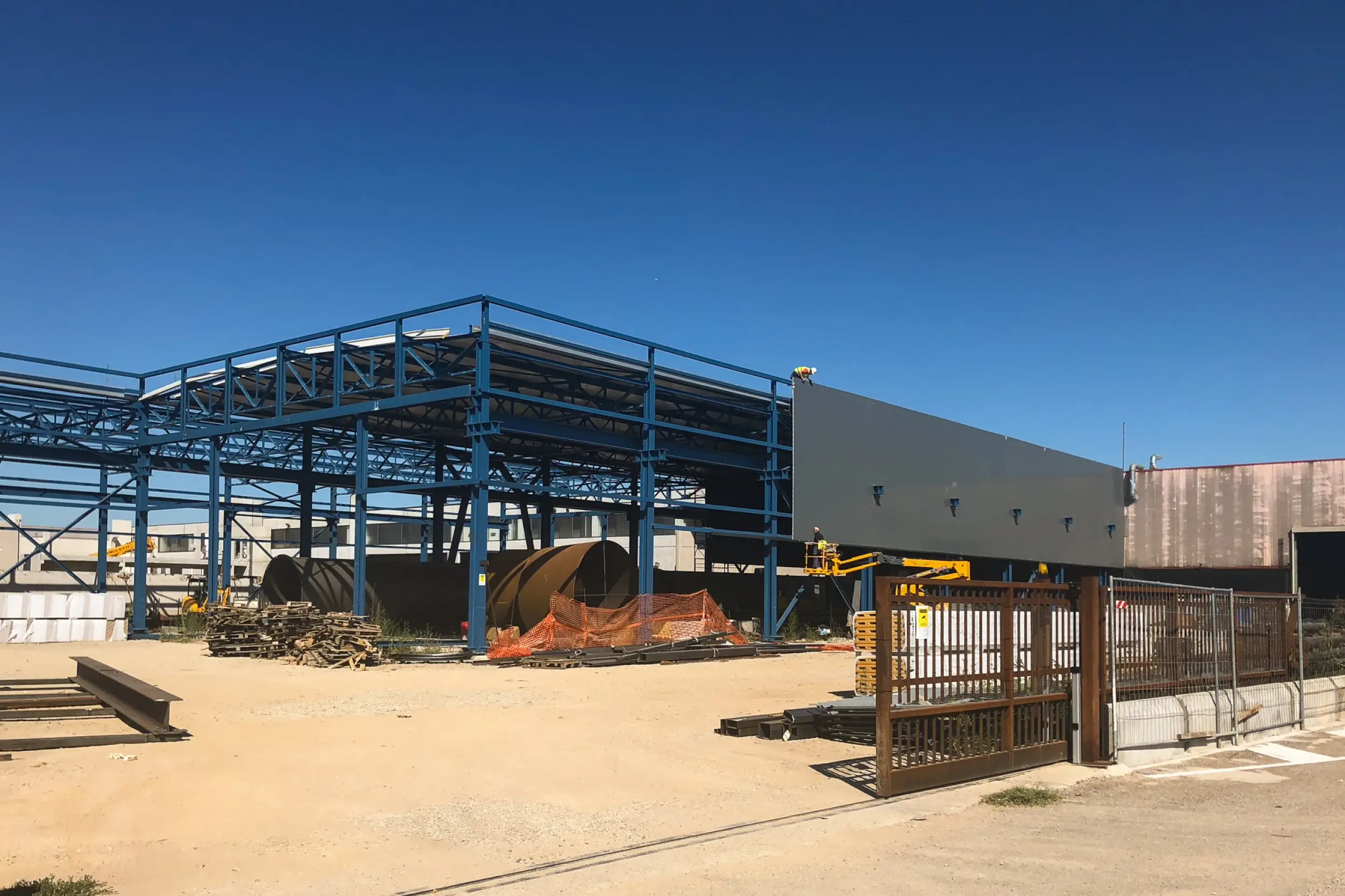
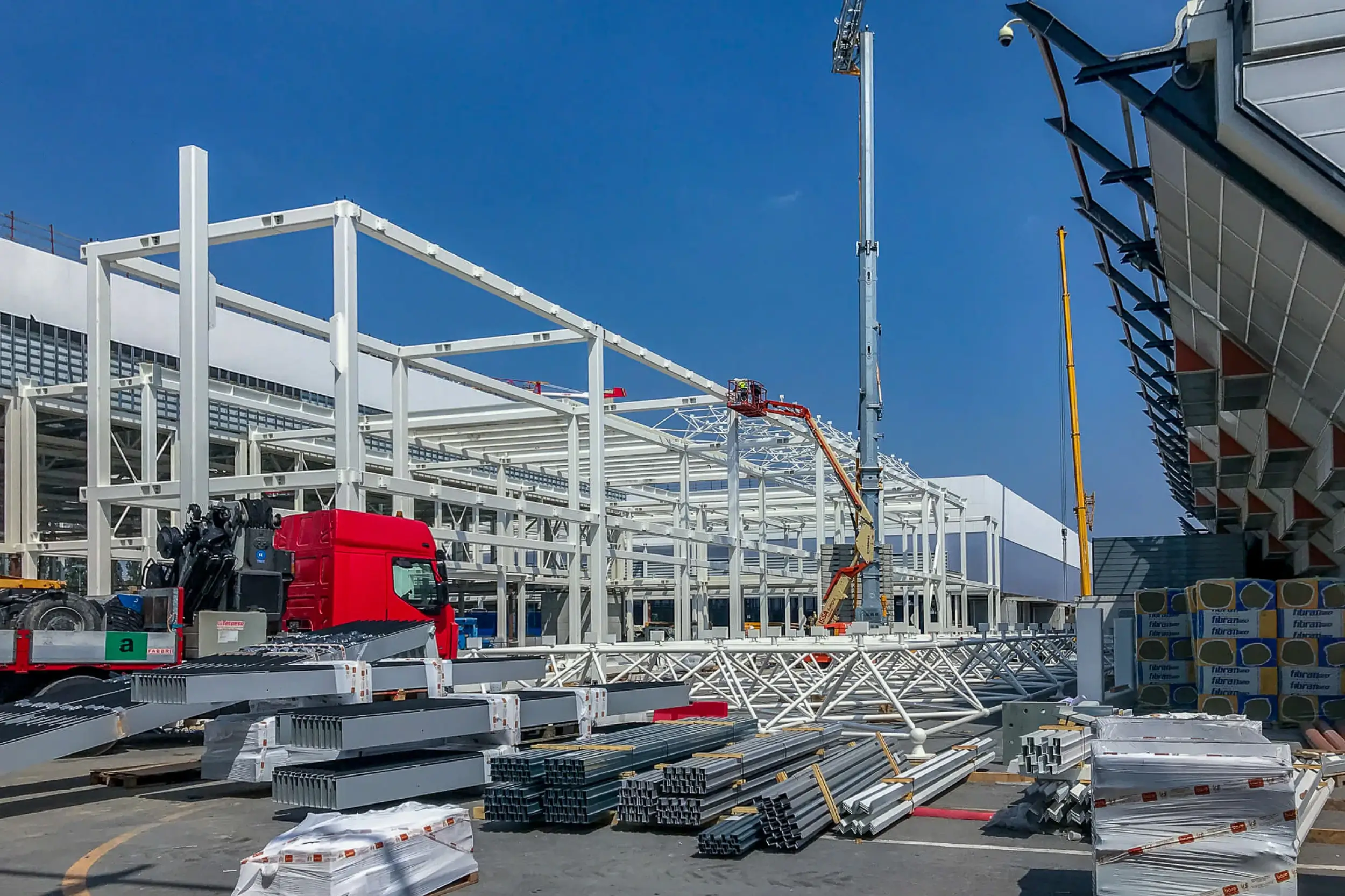
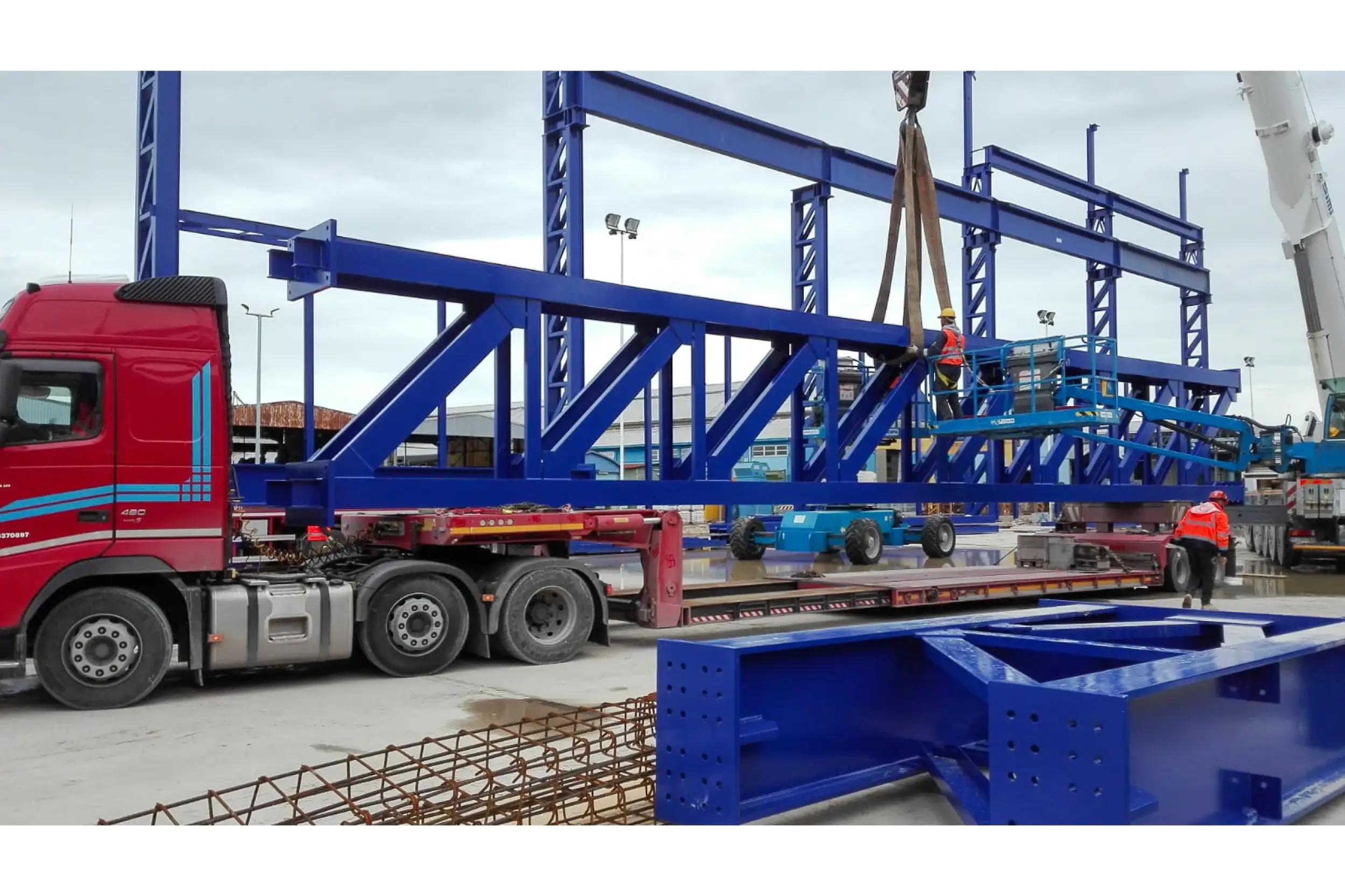
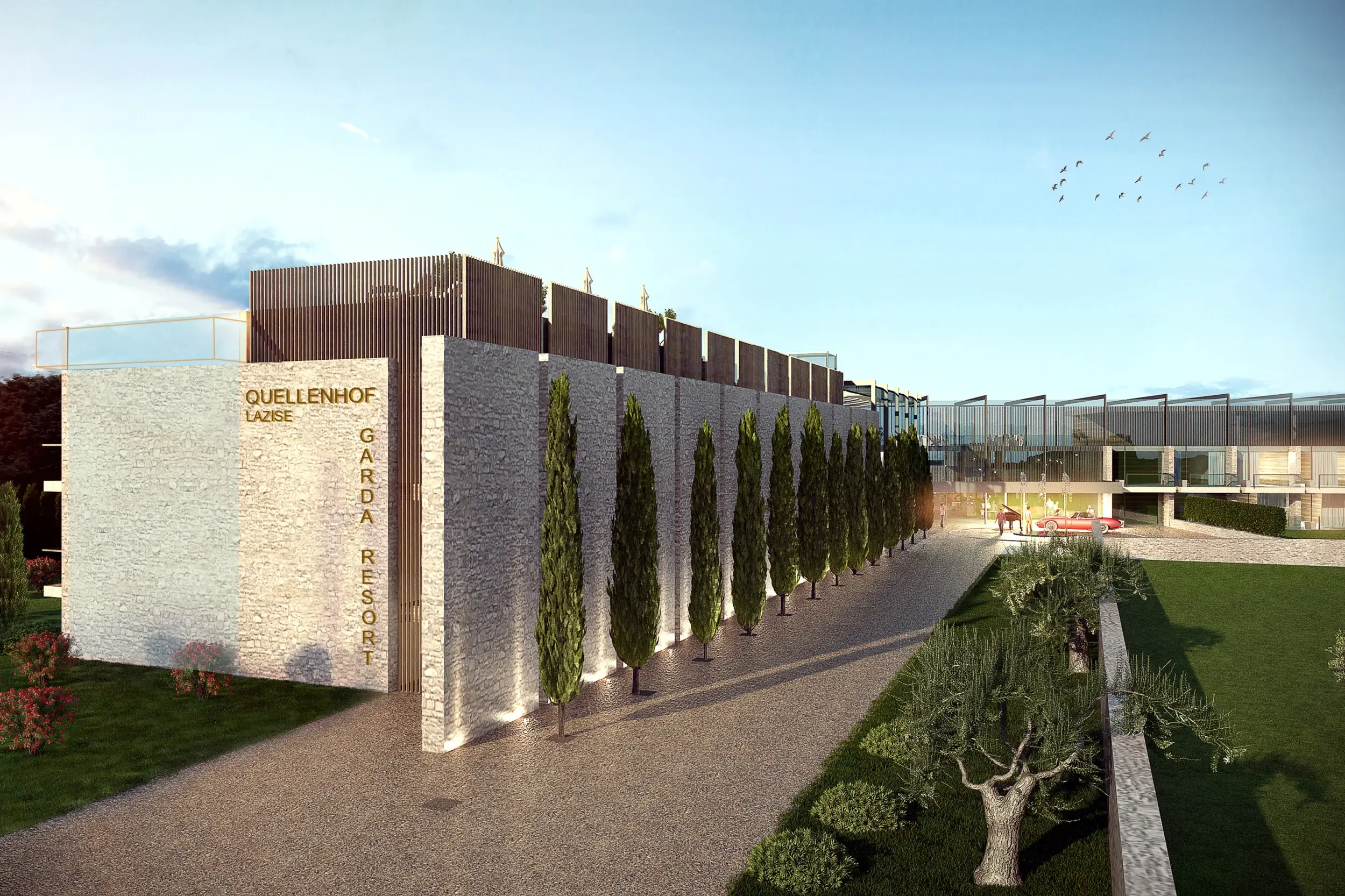
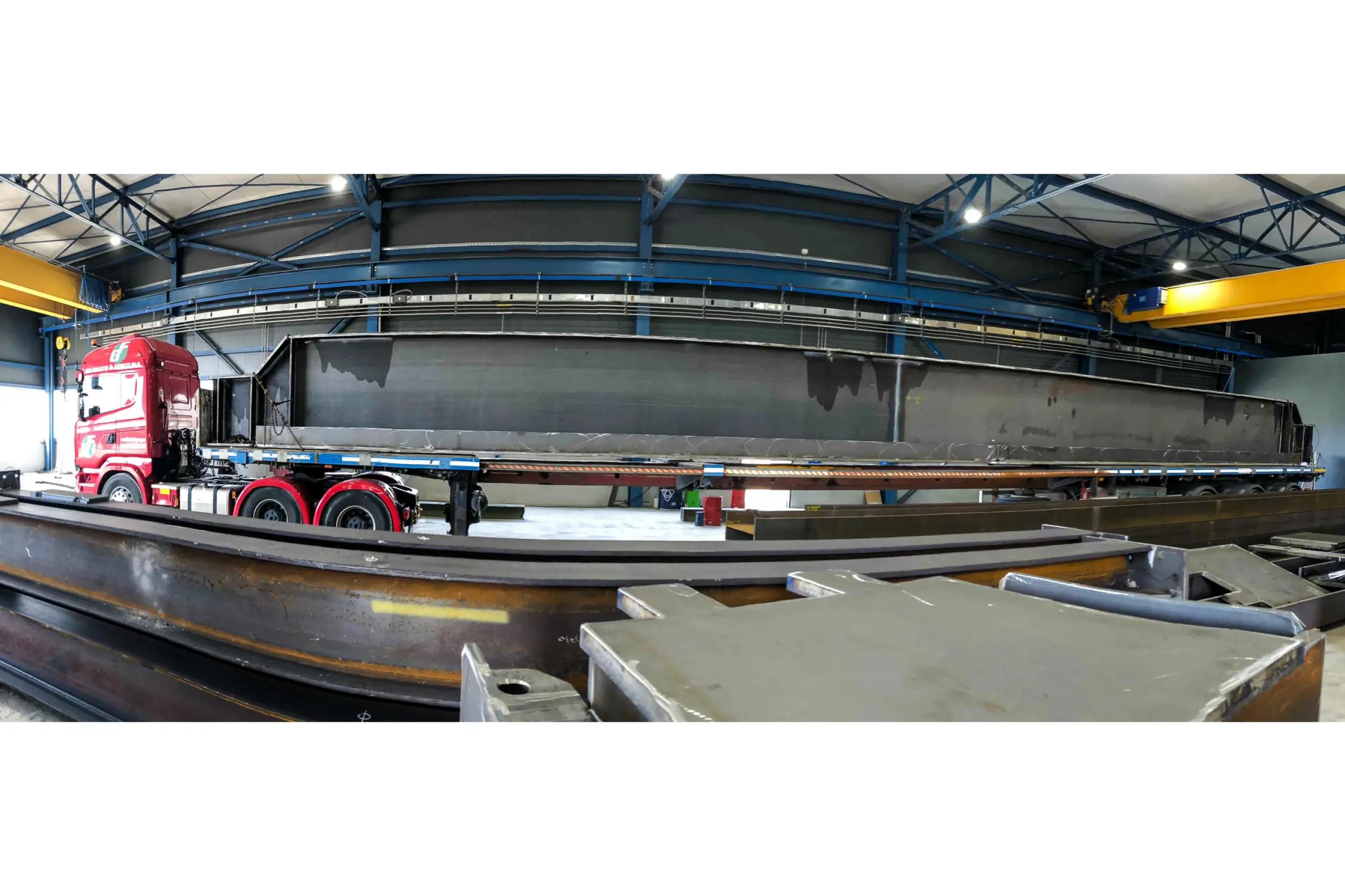
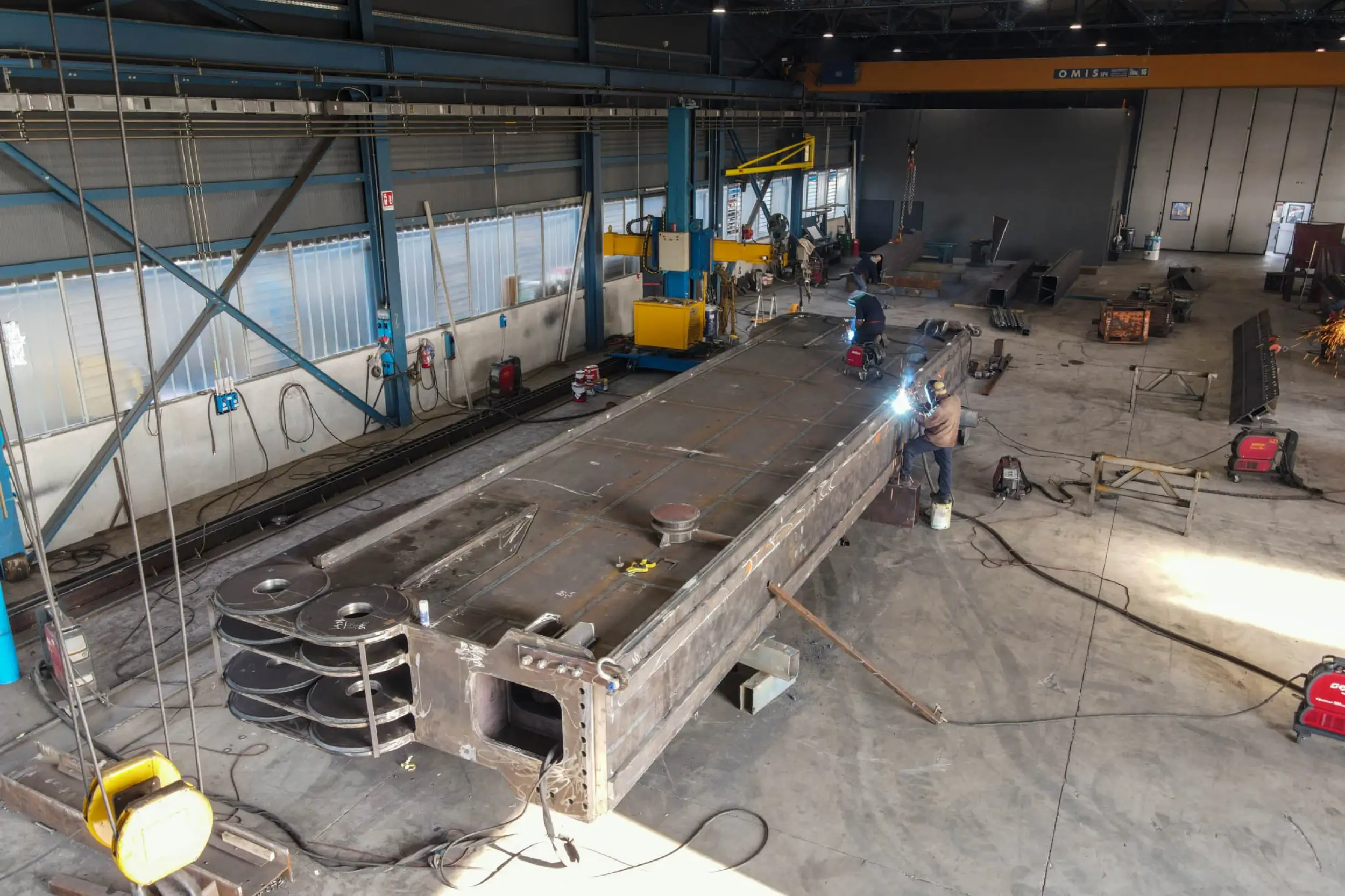
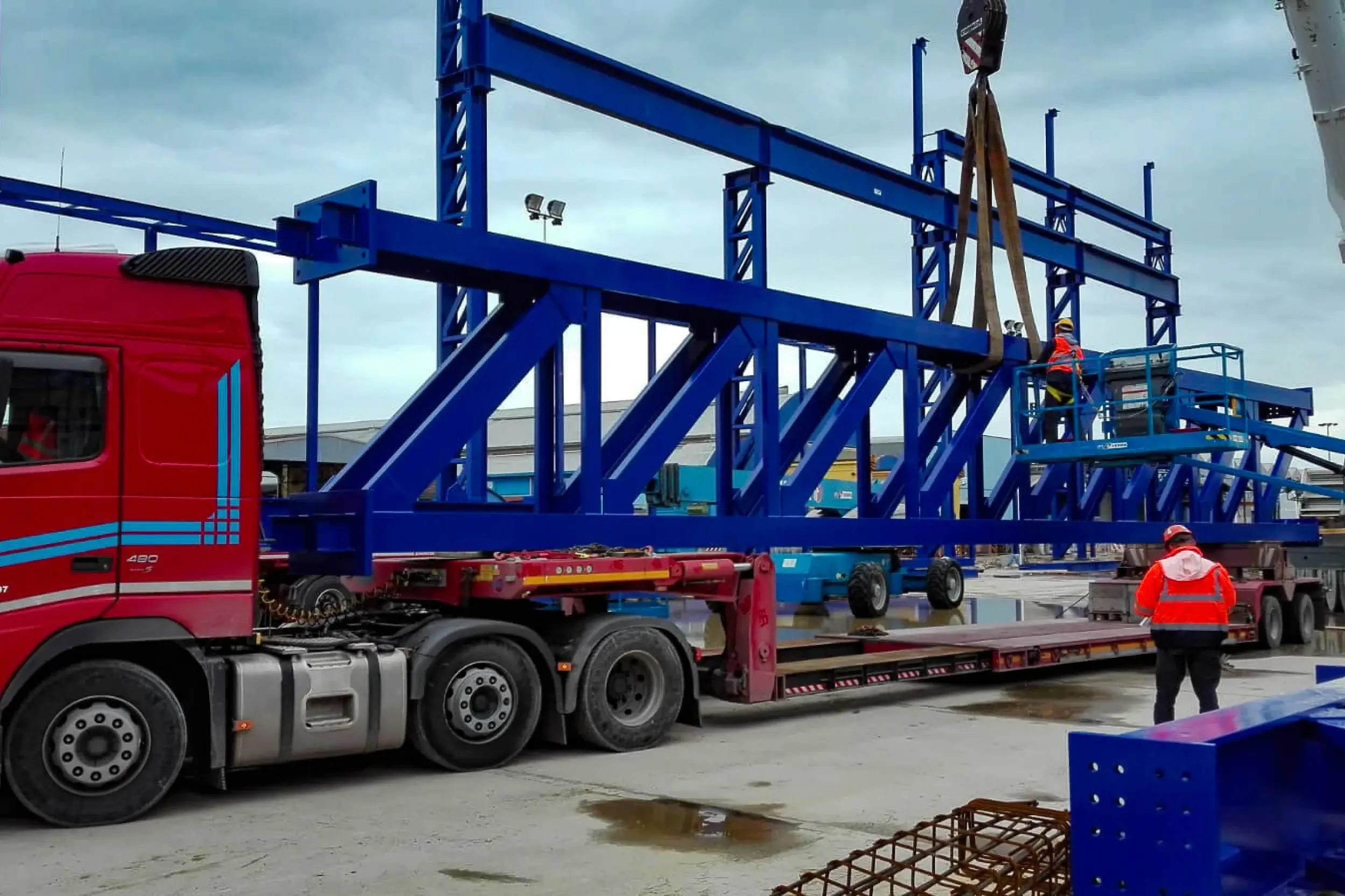
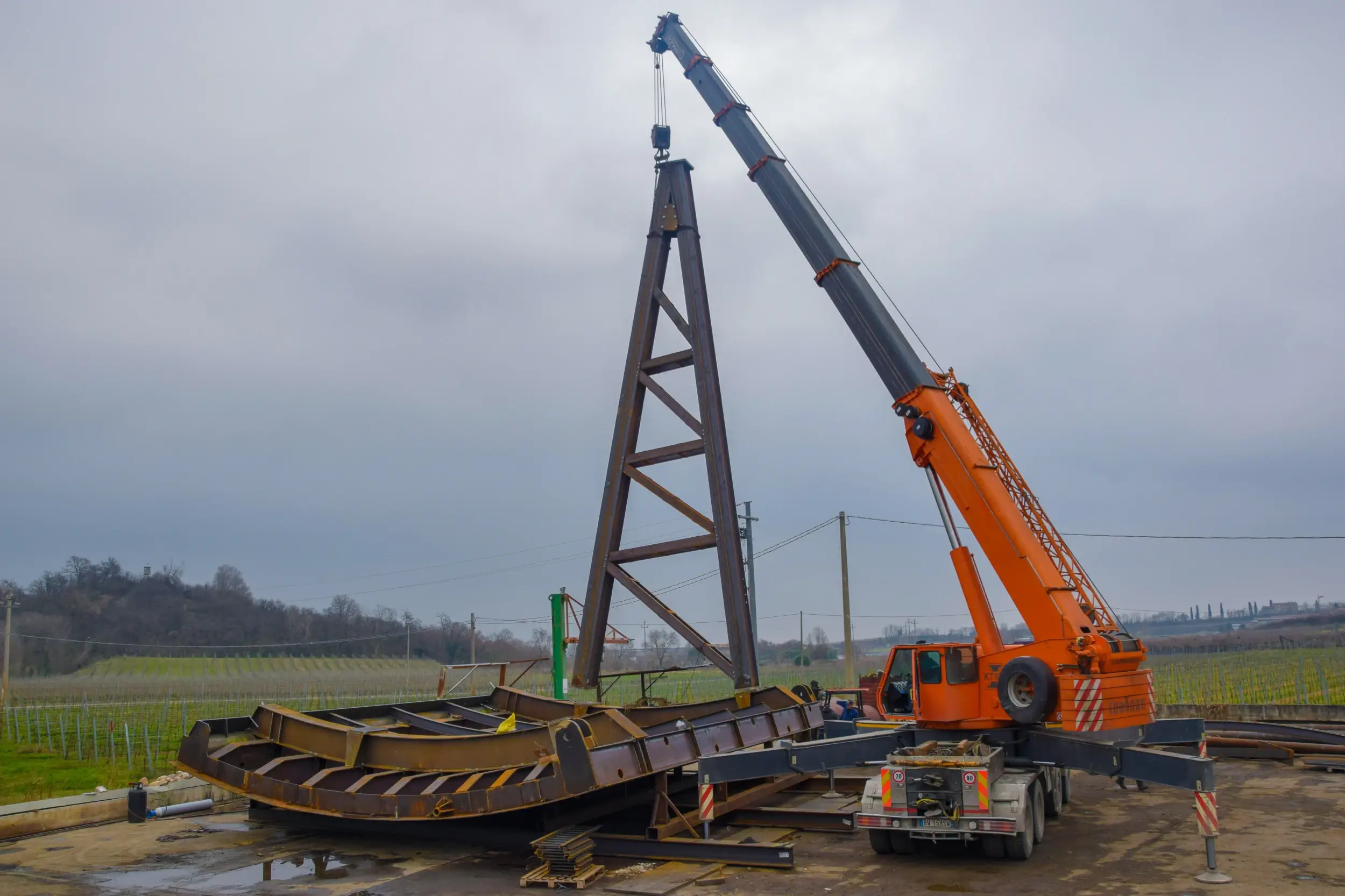
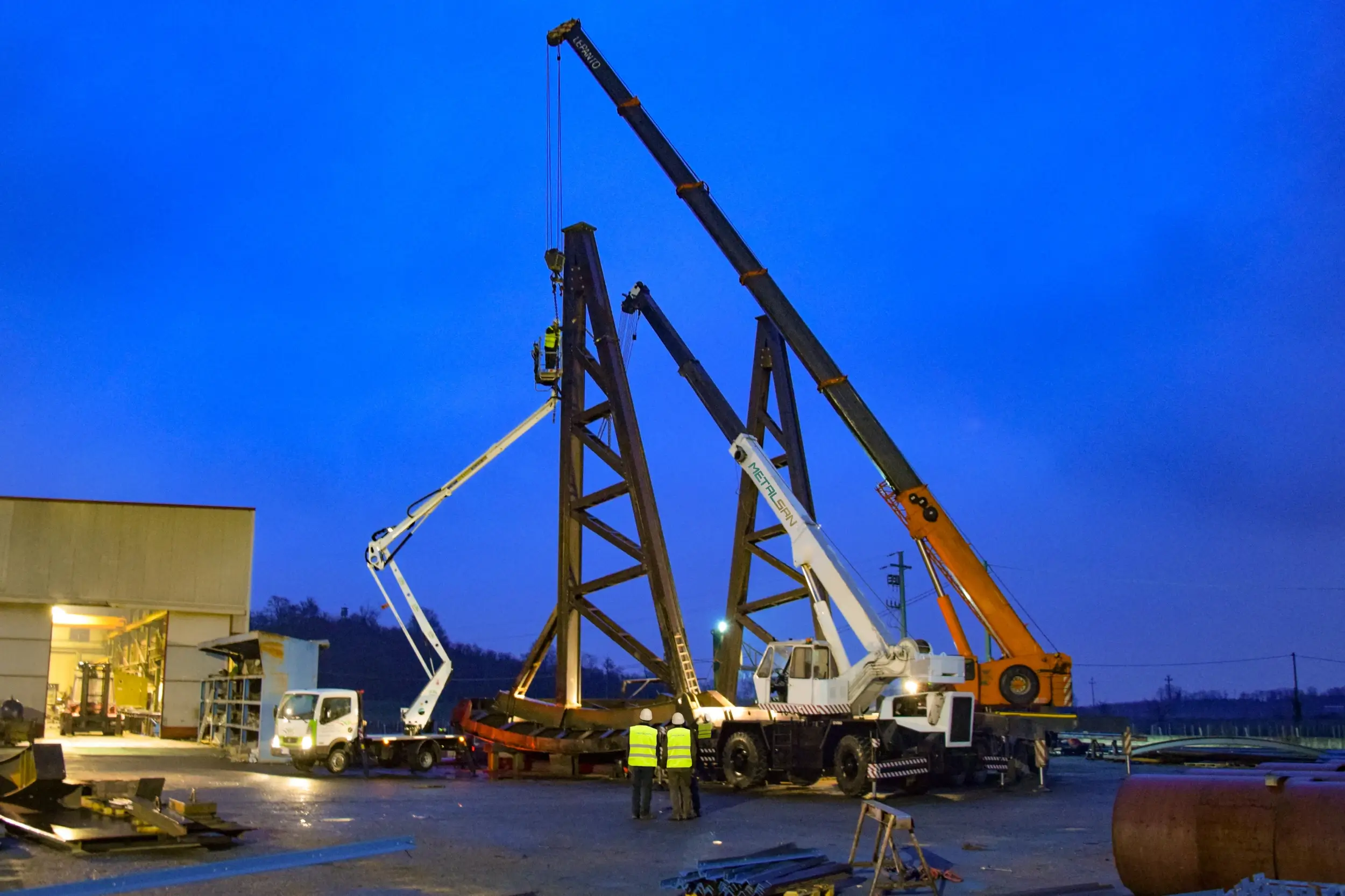
From large to very large.
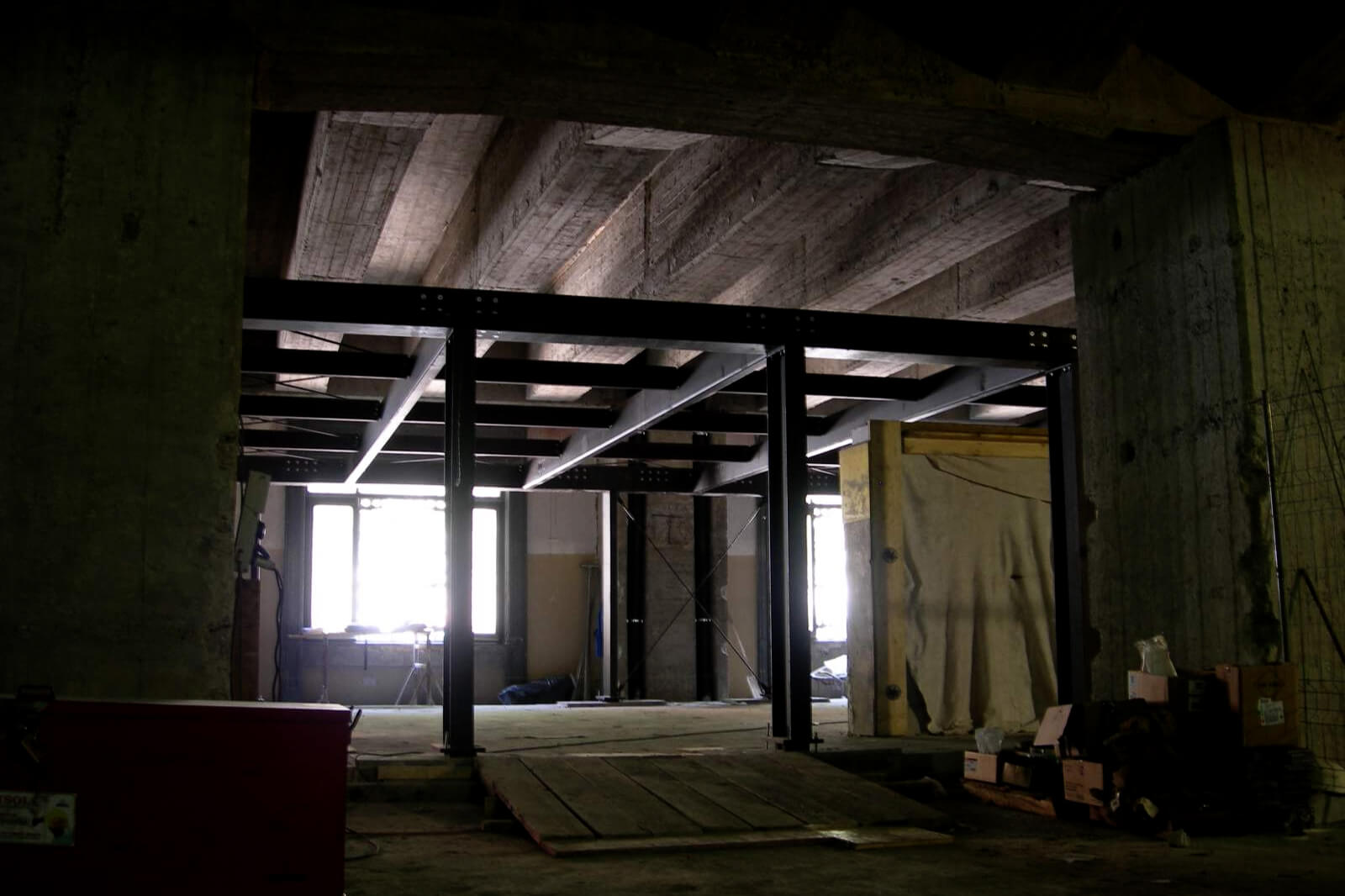
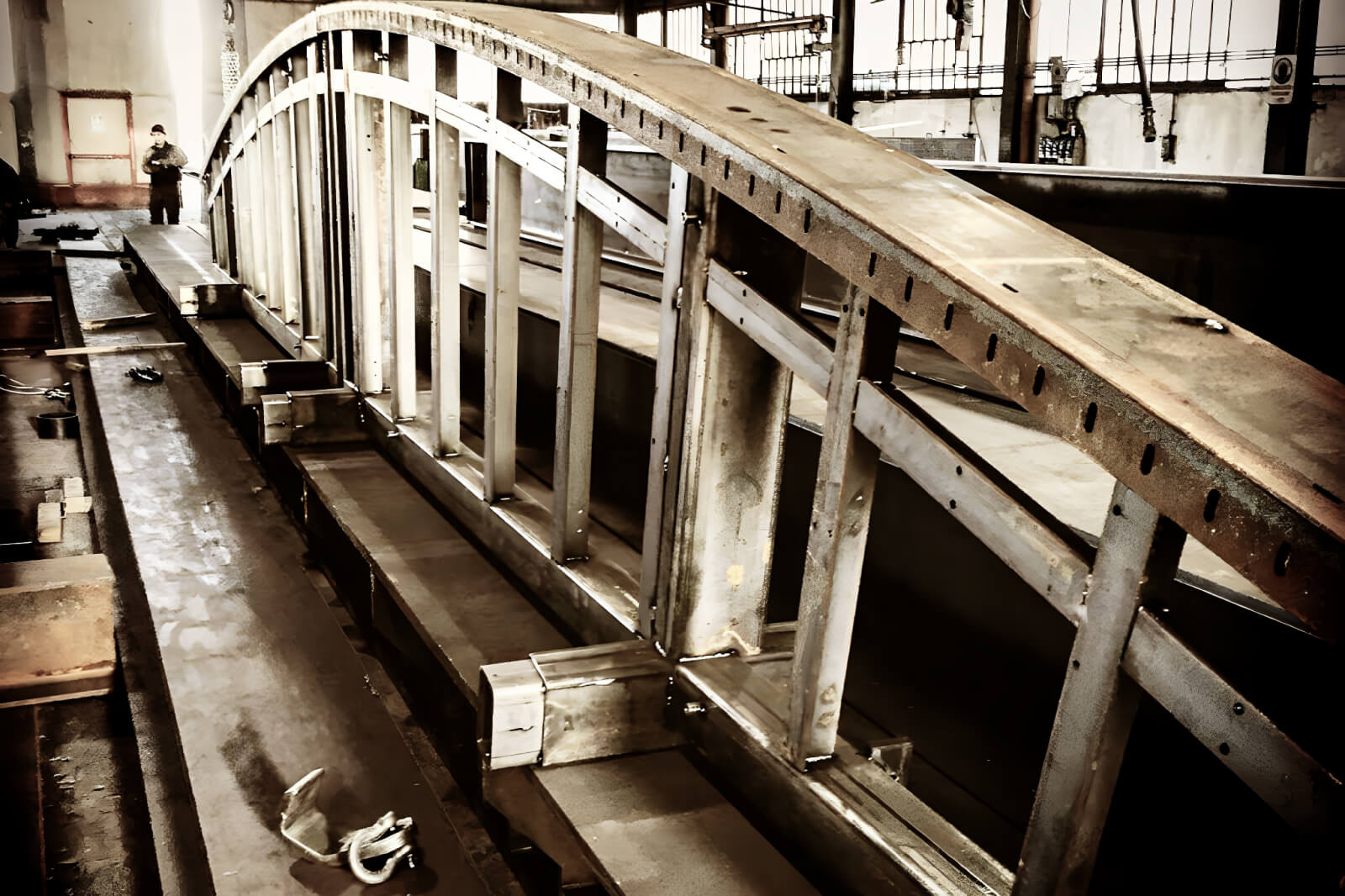
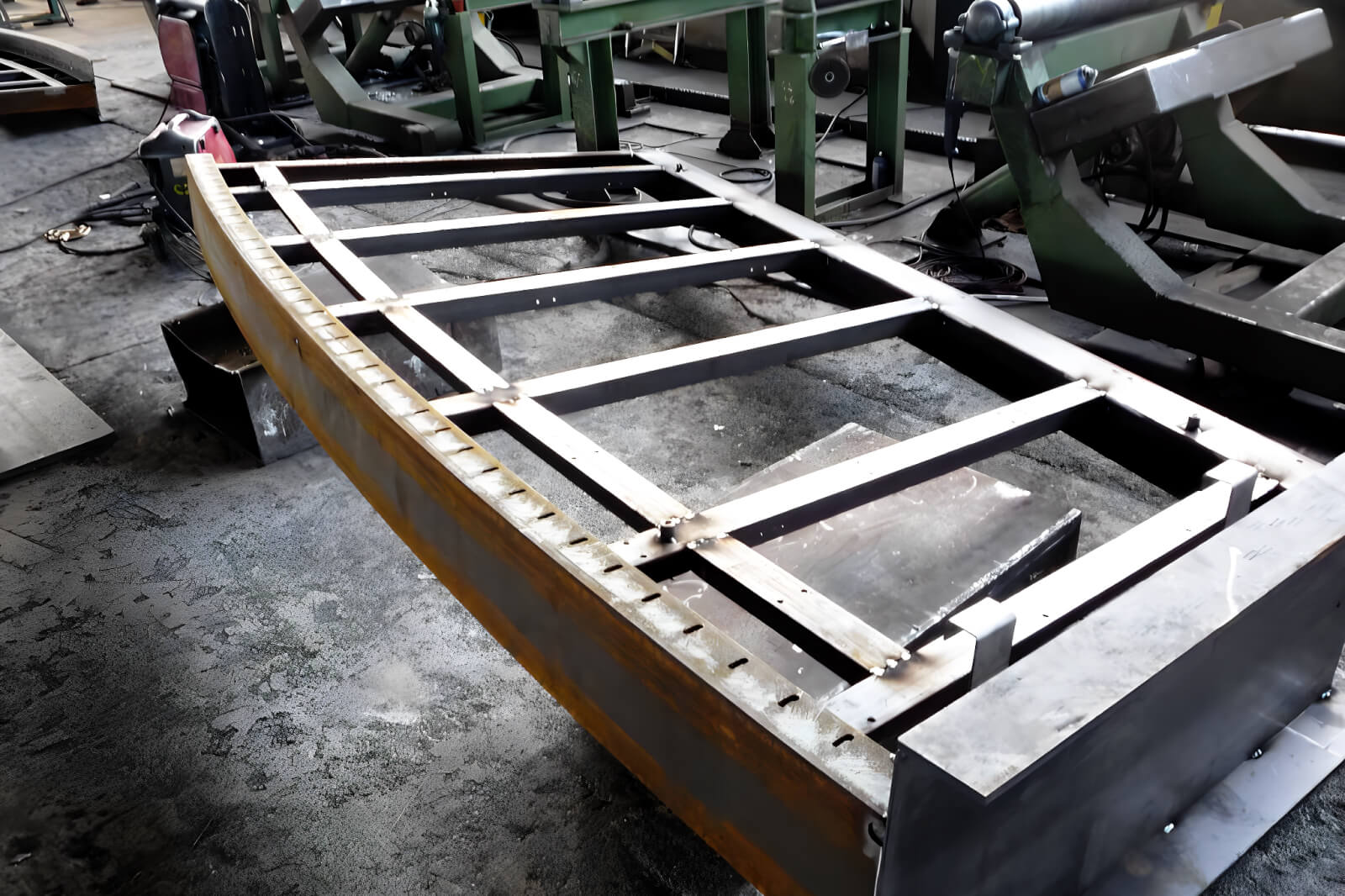
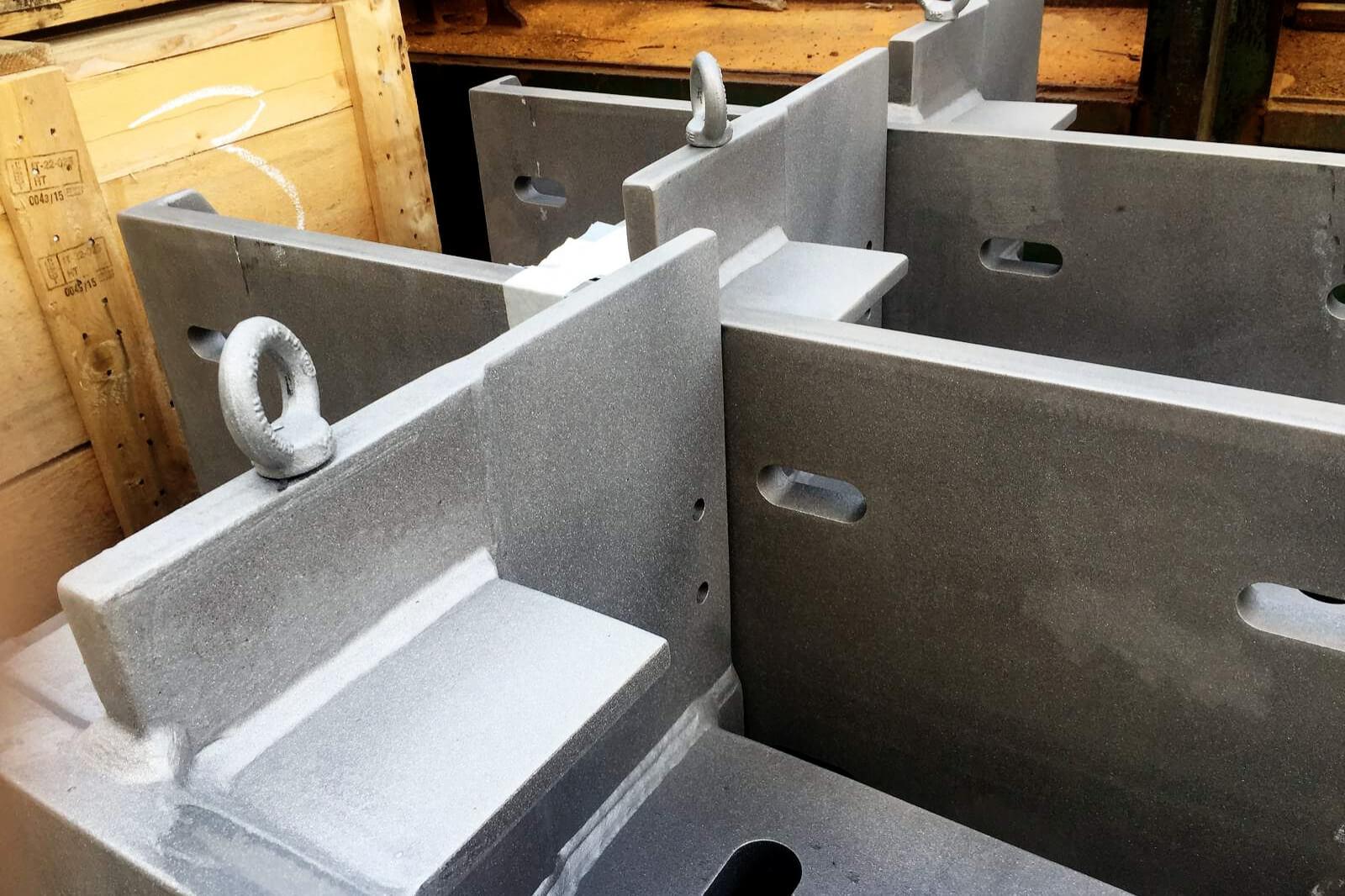
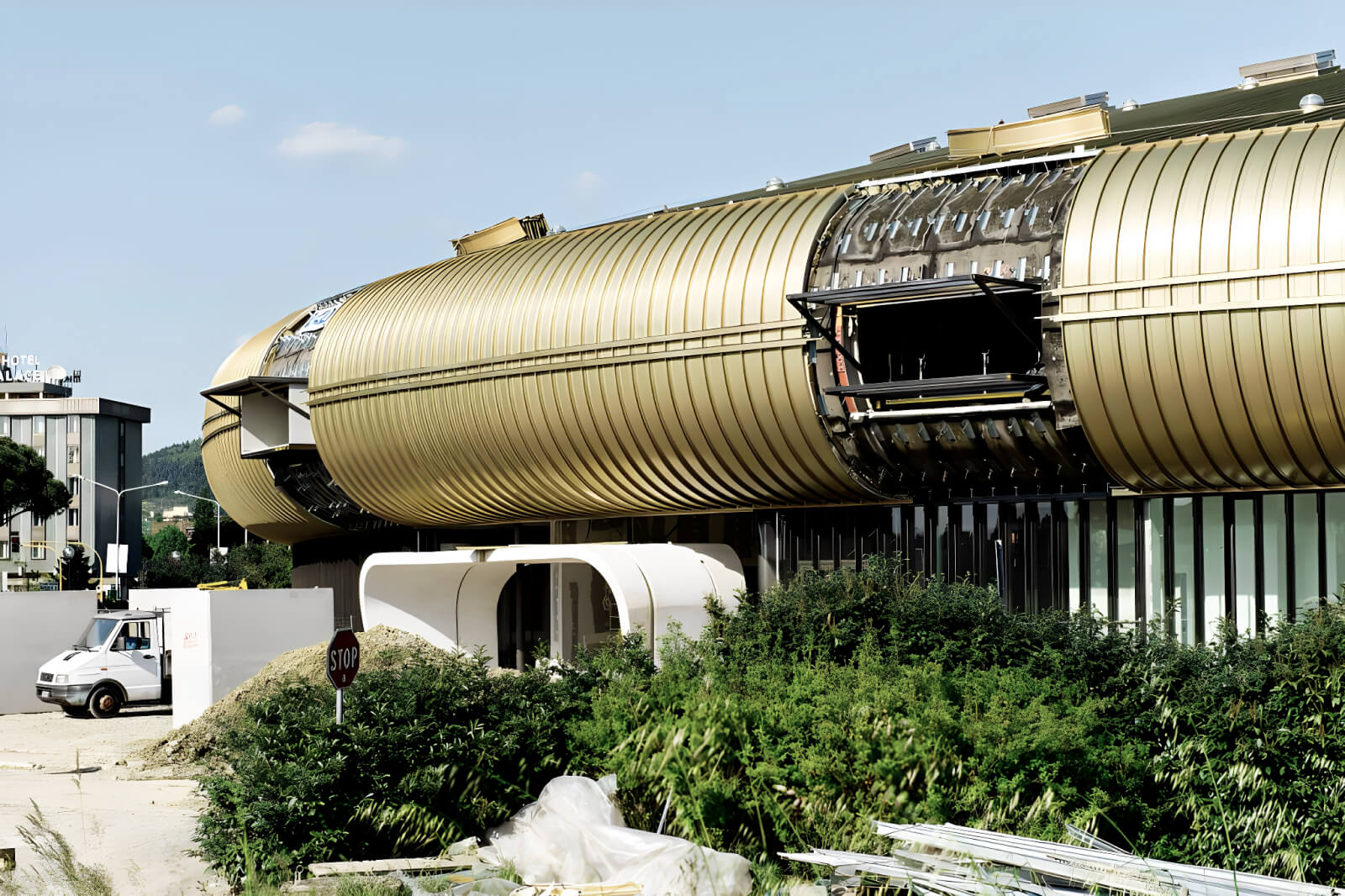
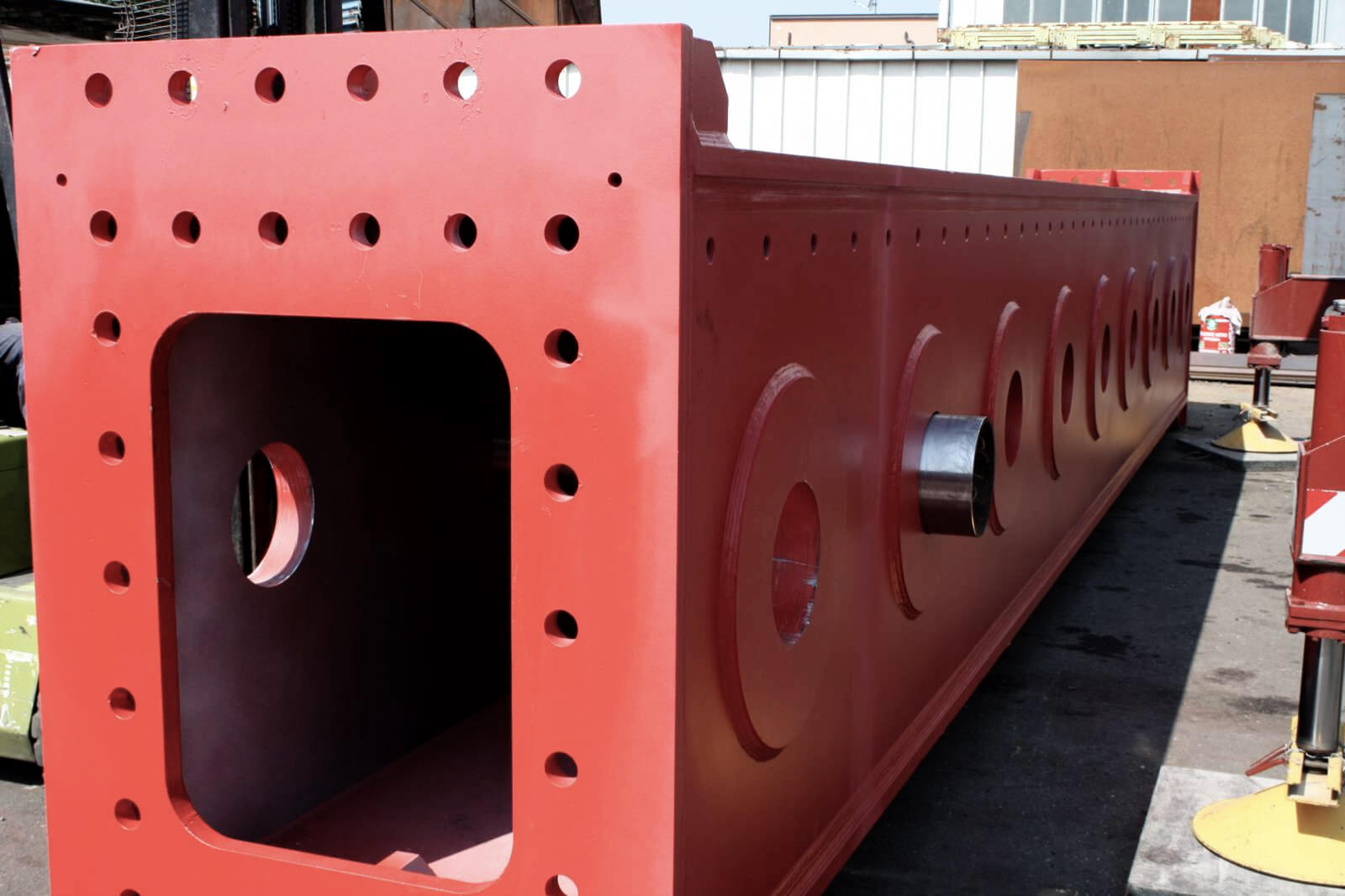
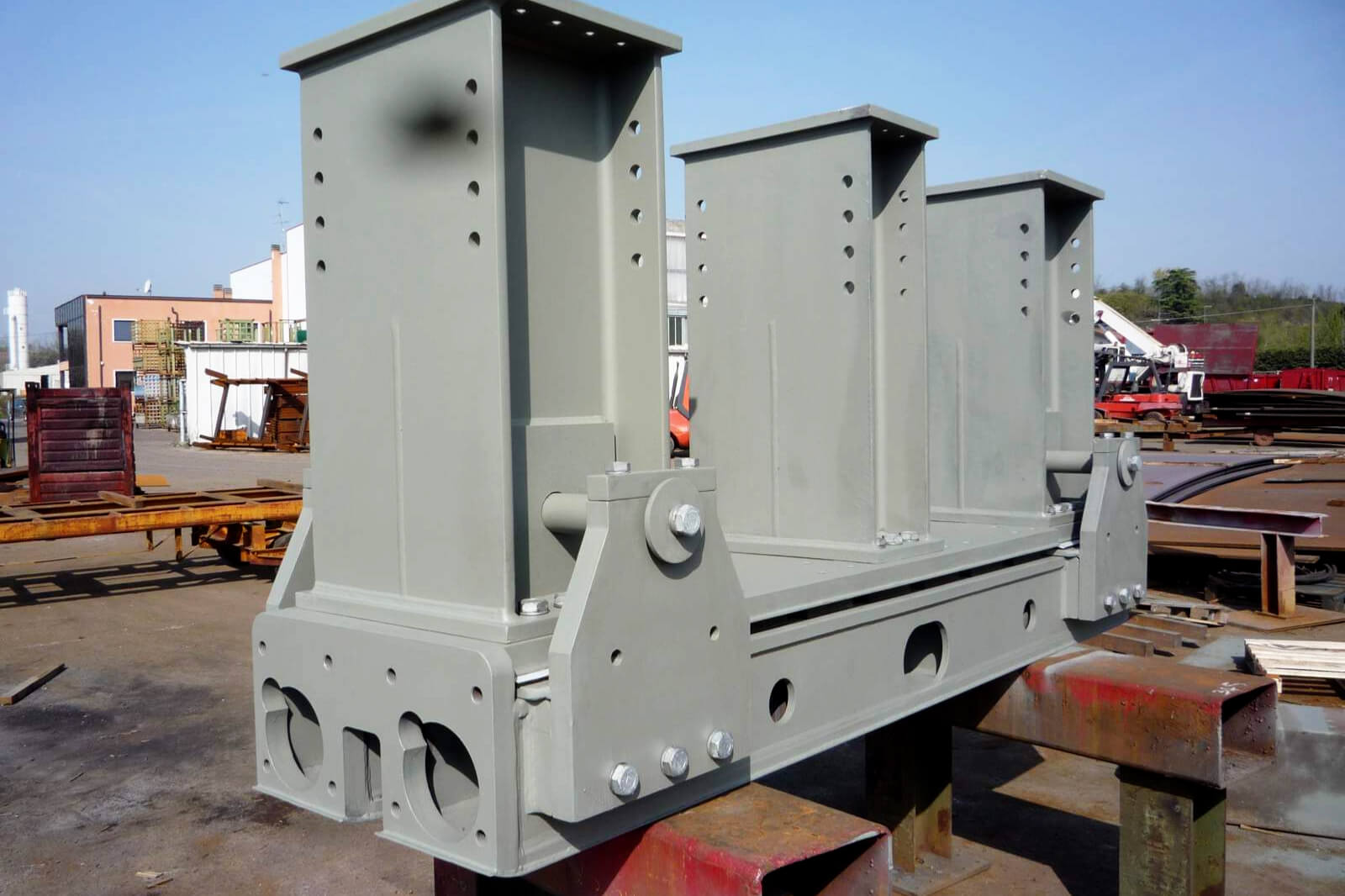
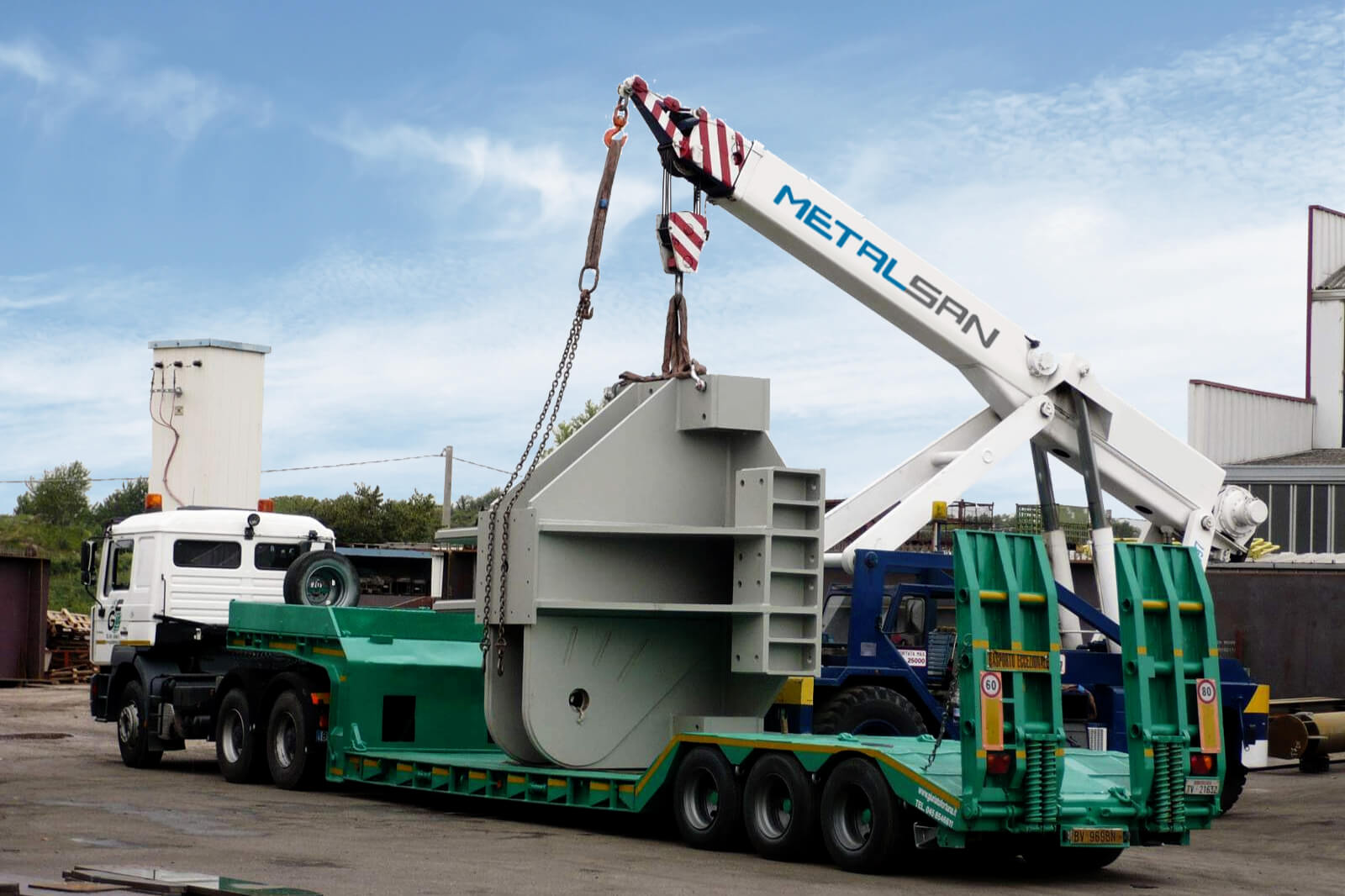
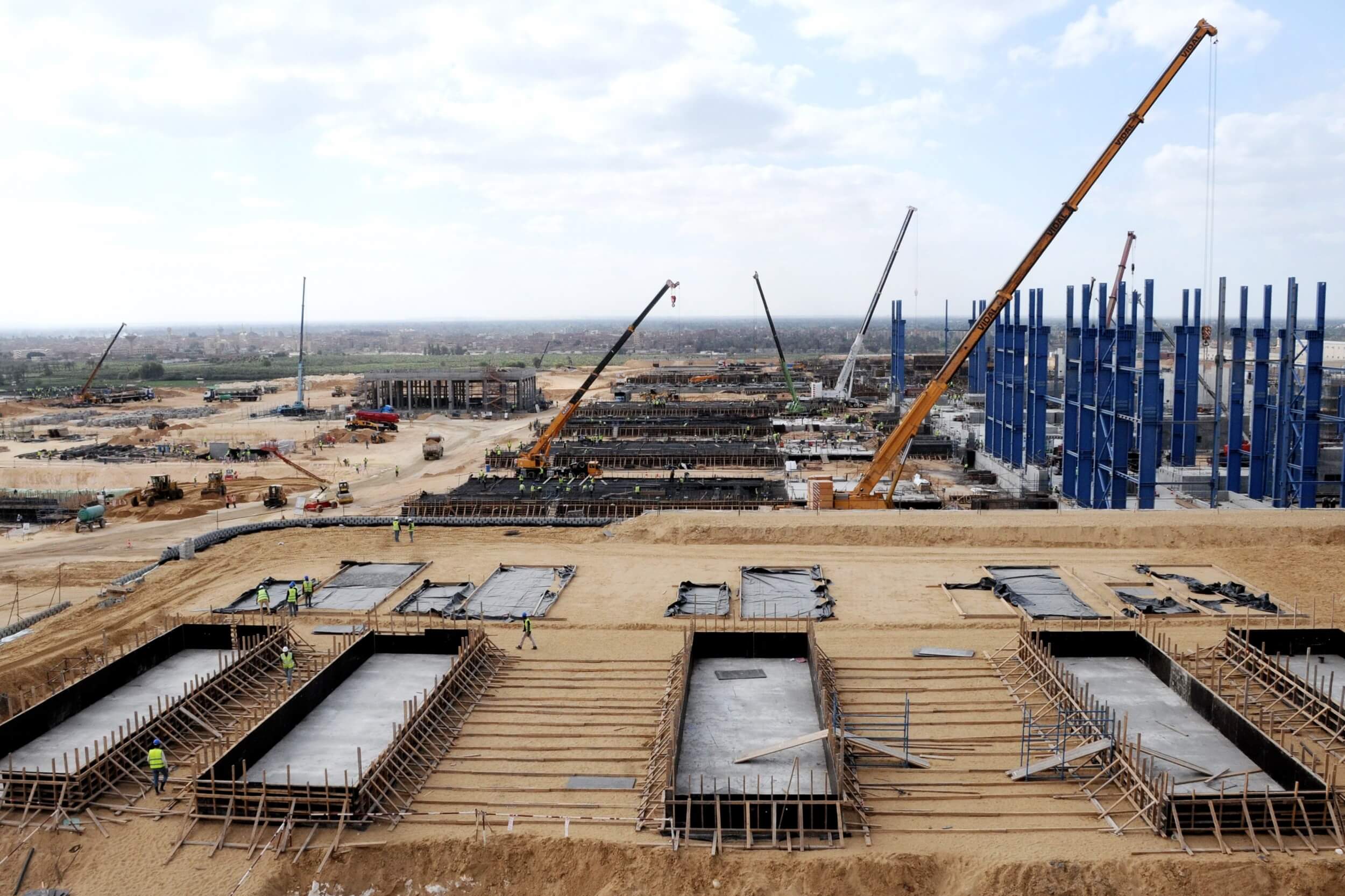
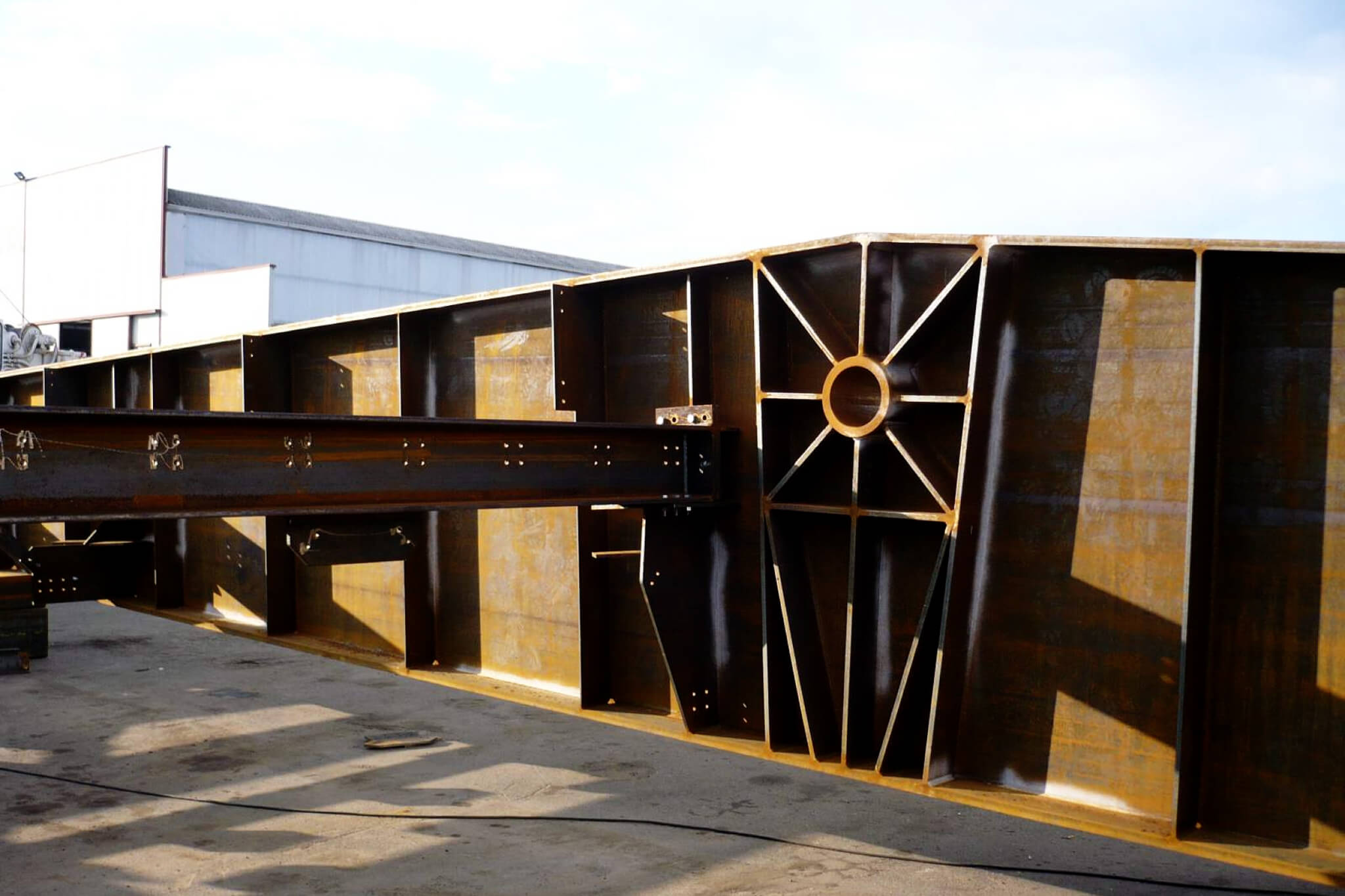
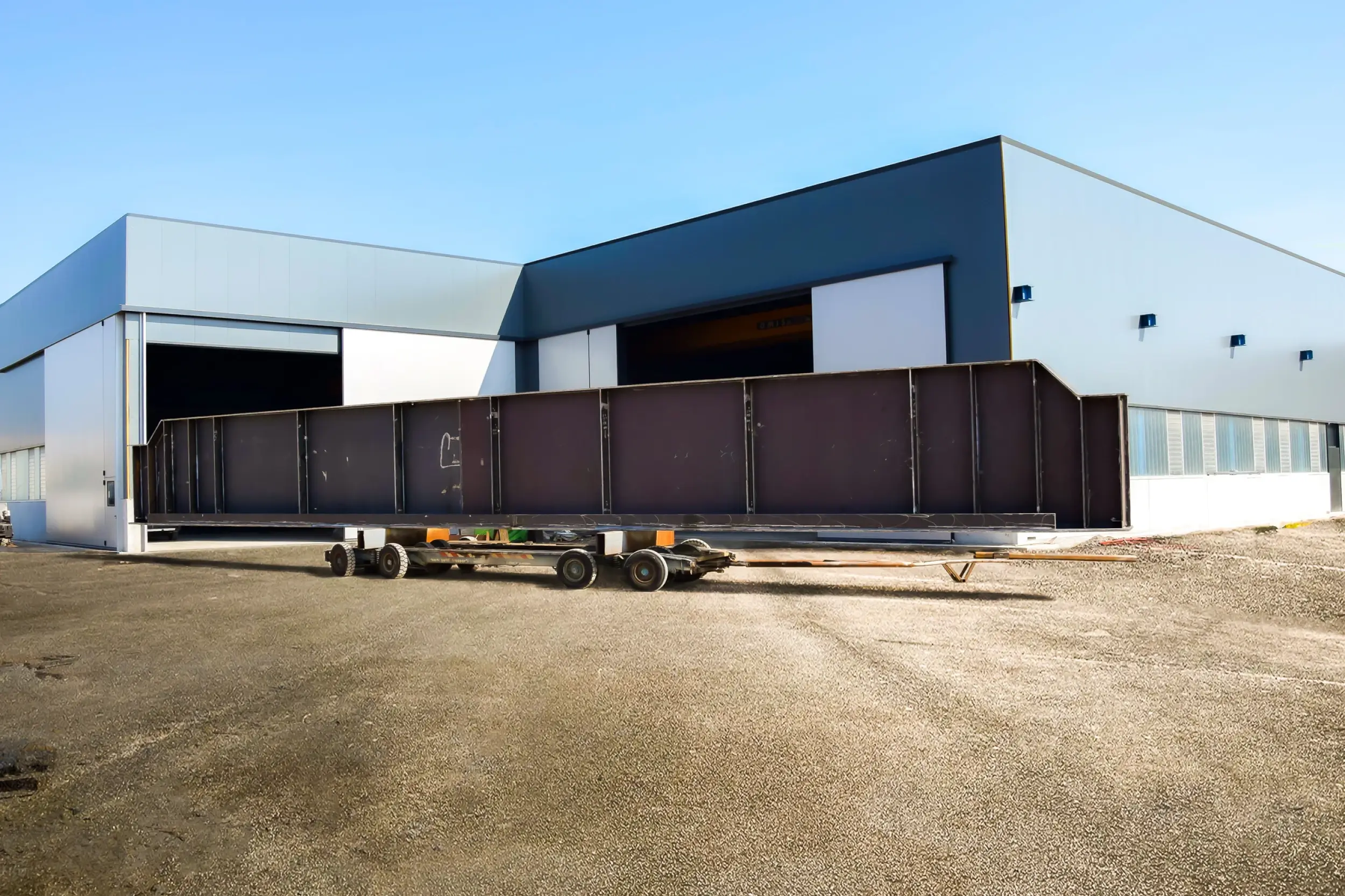
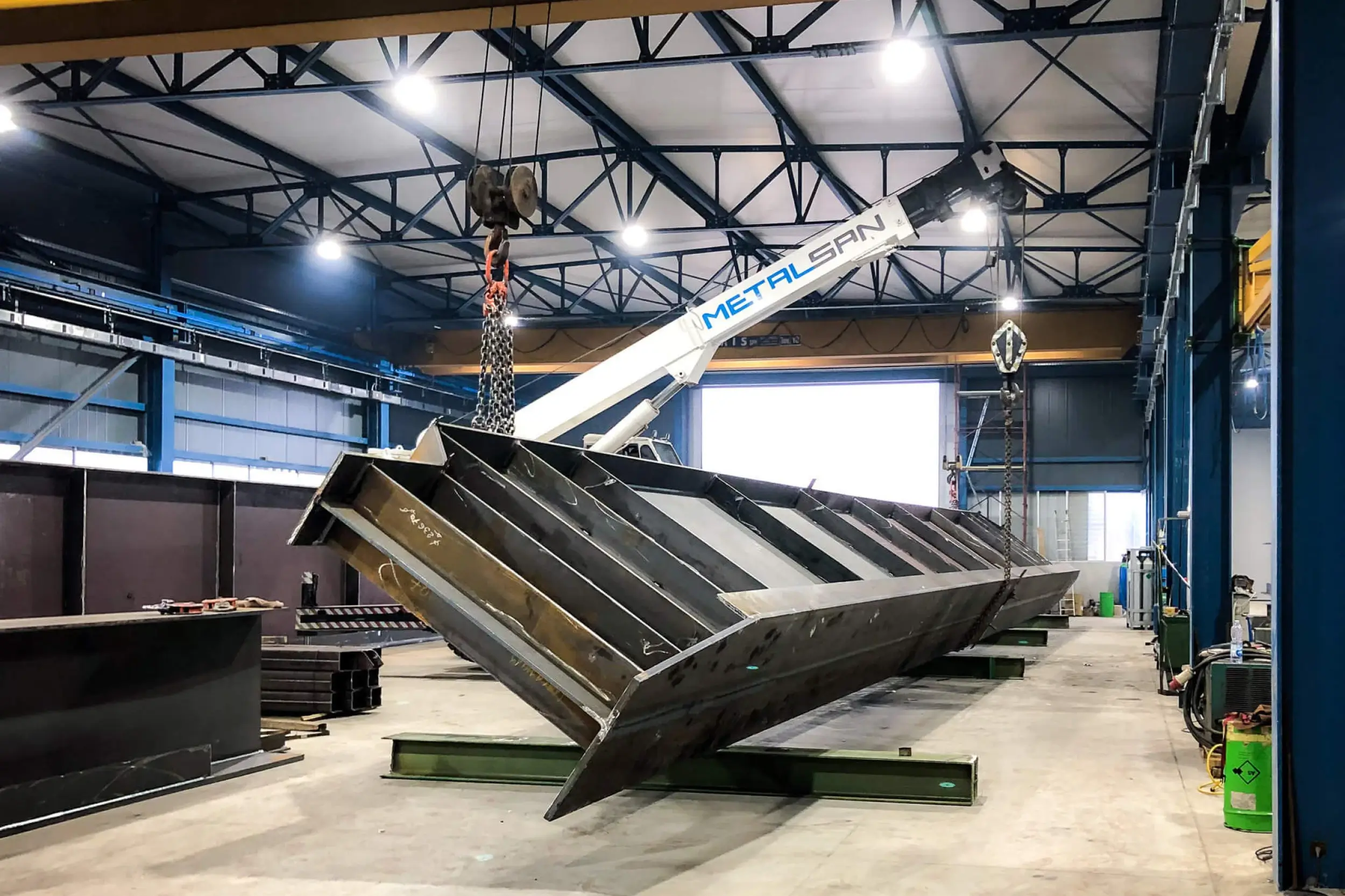
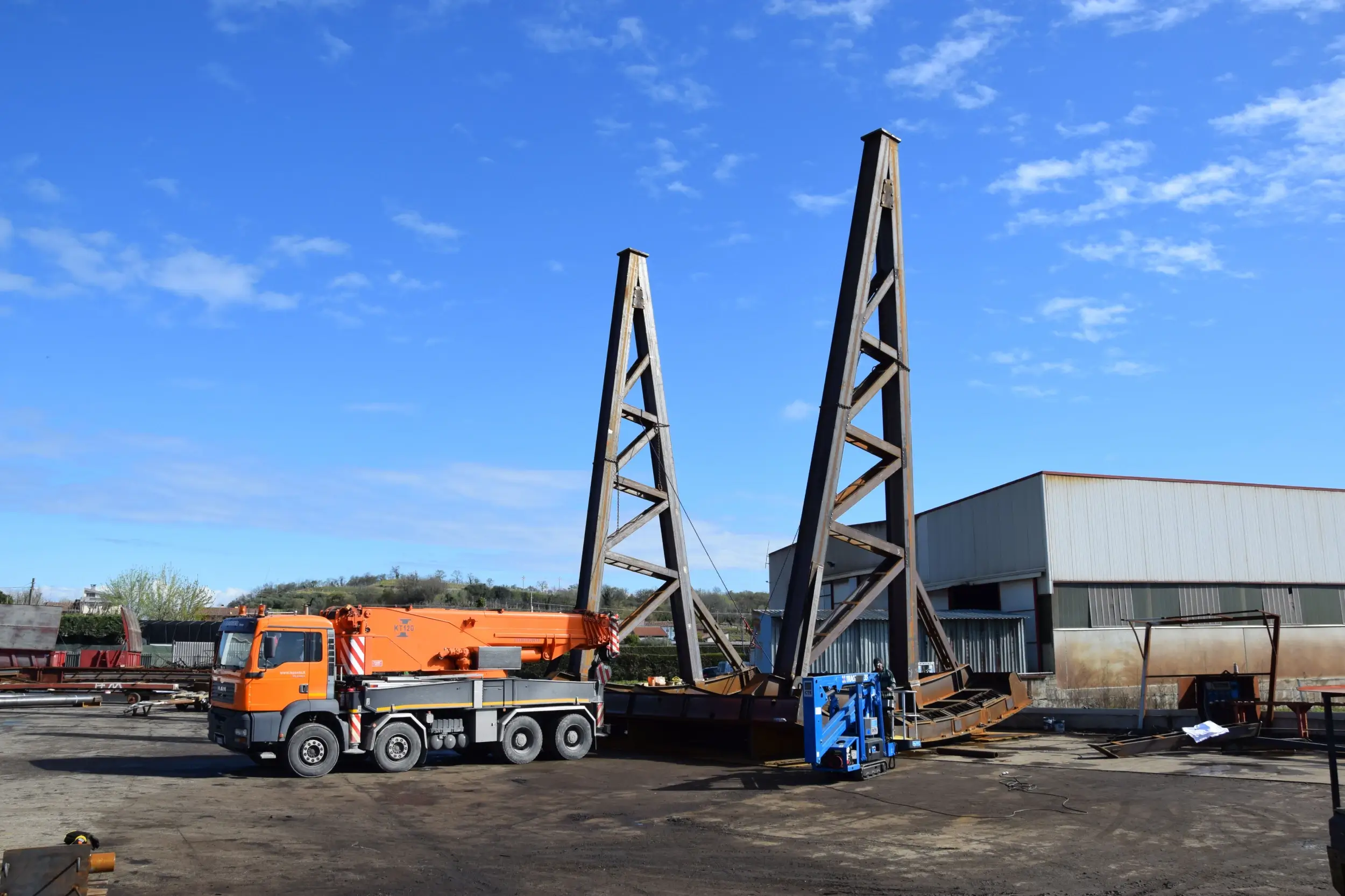
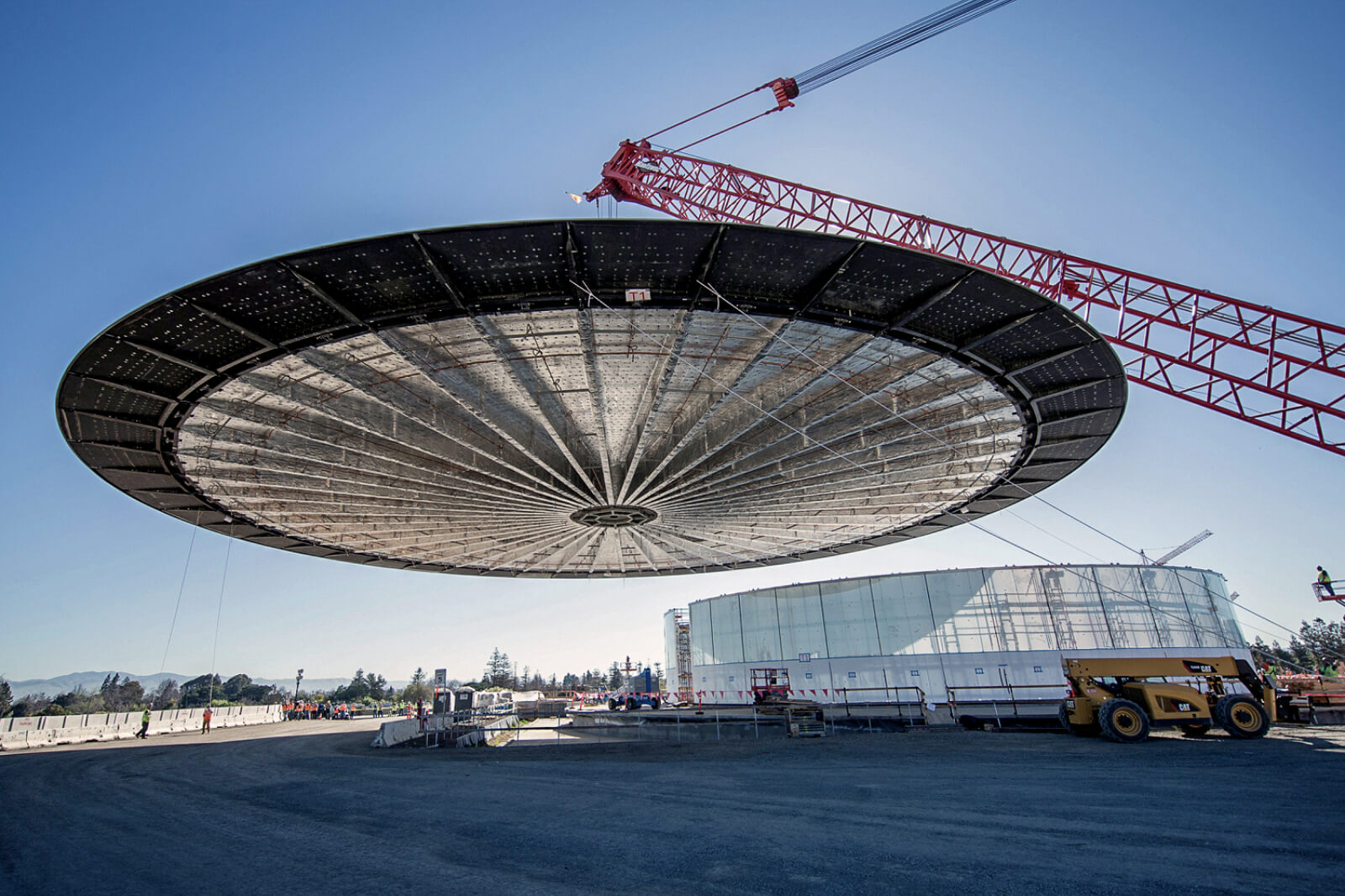
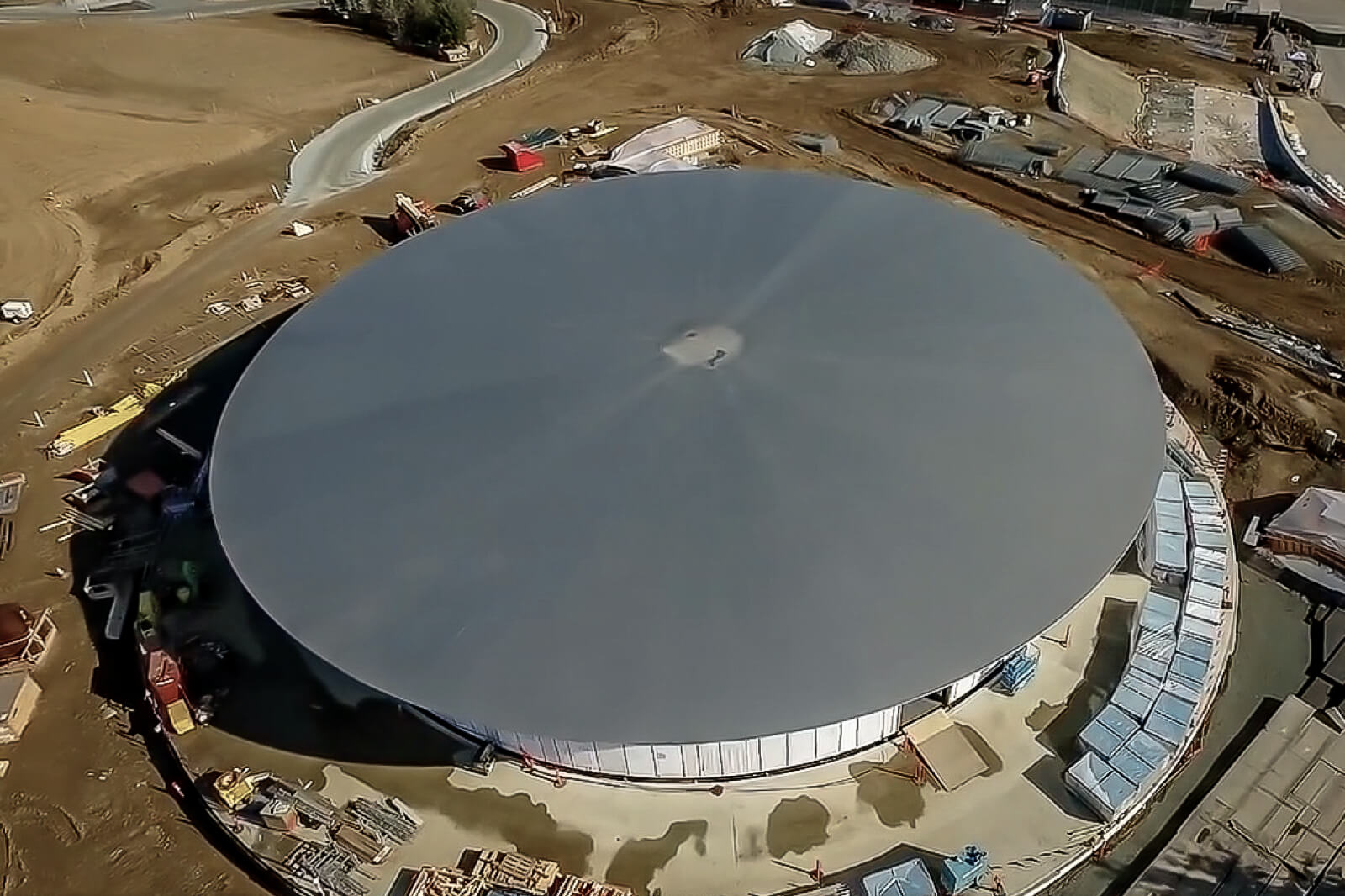
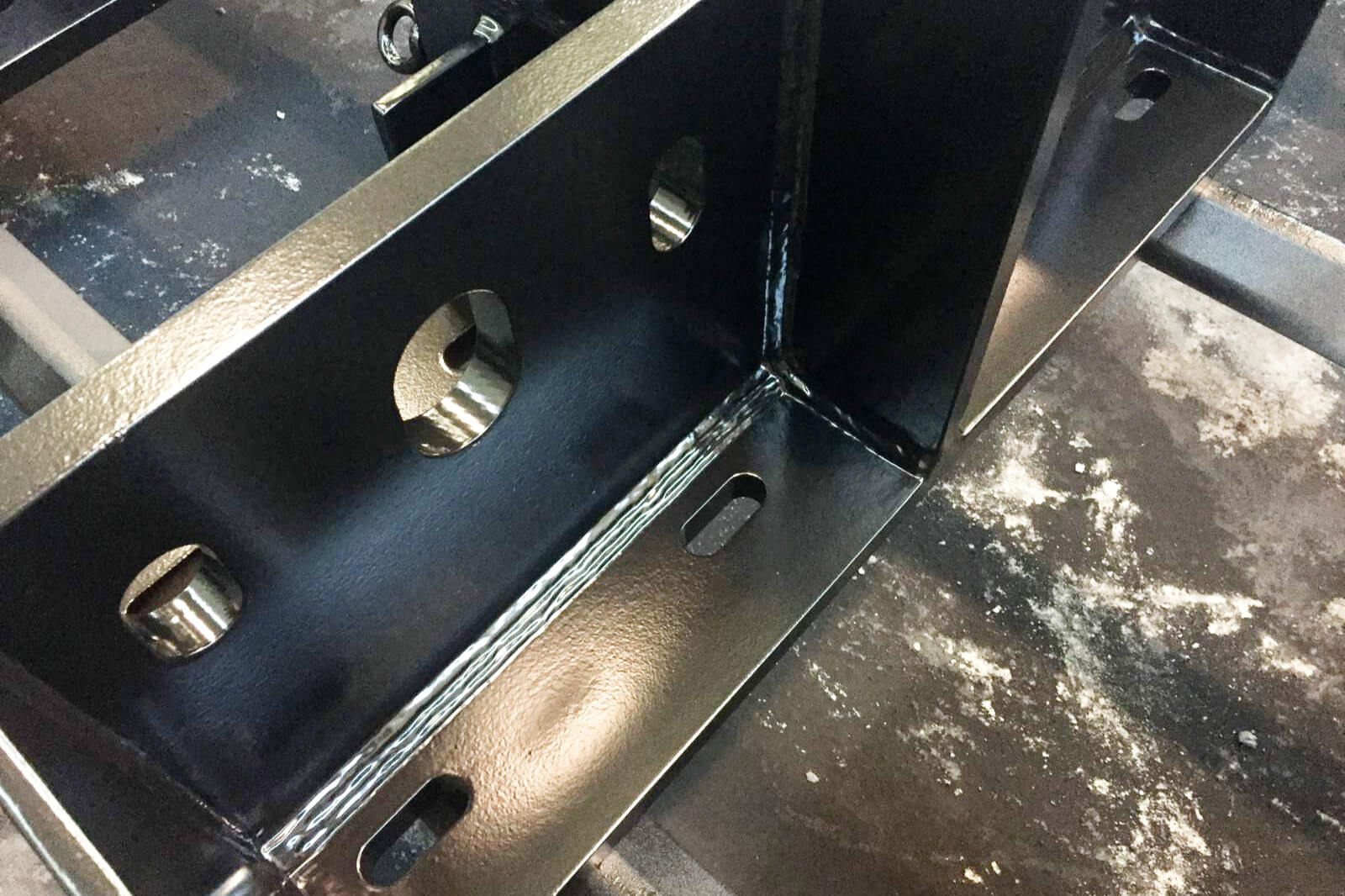
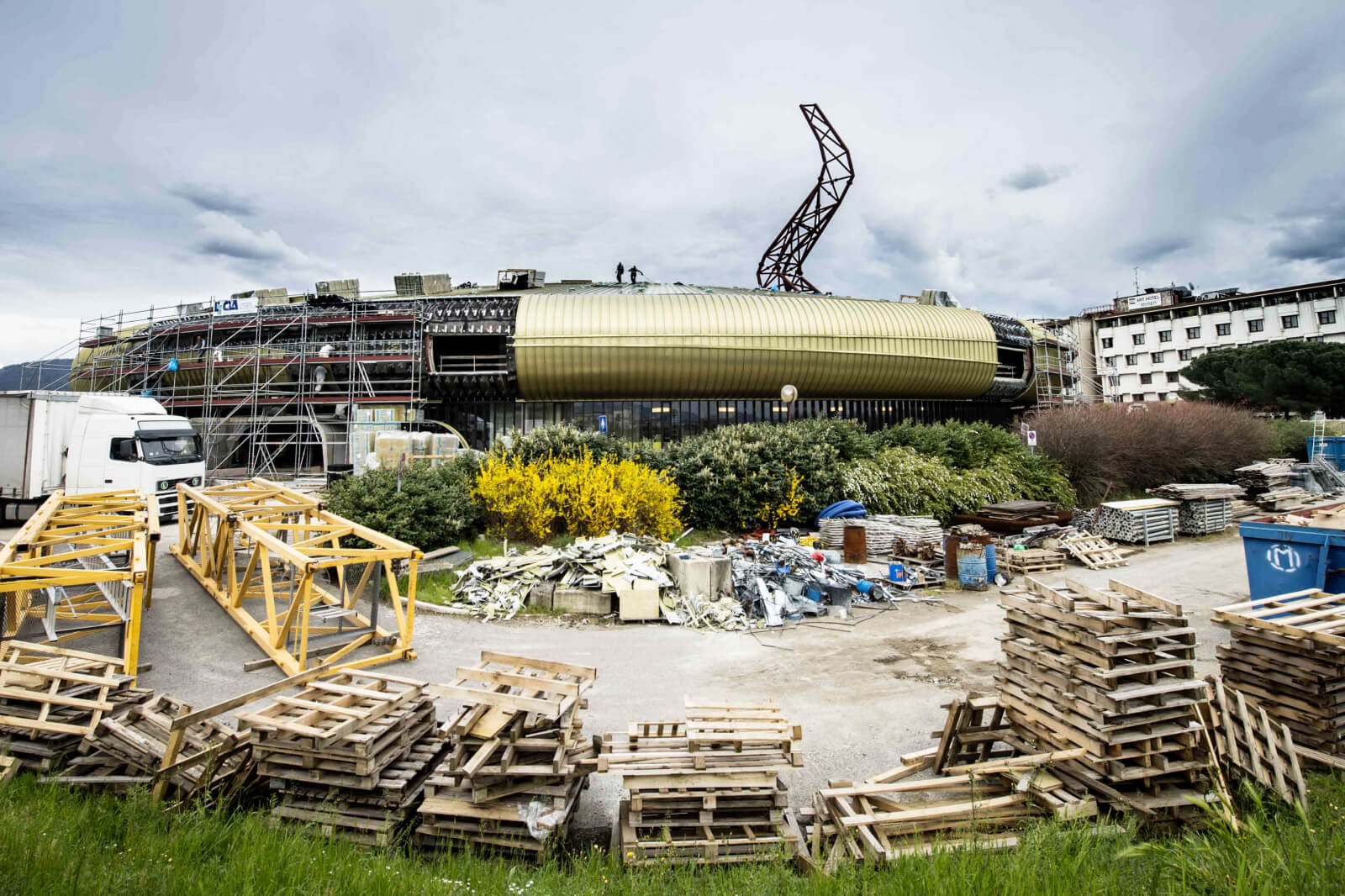
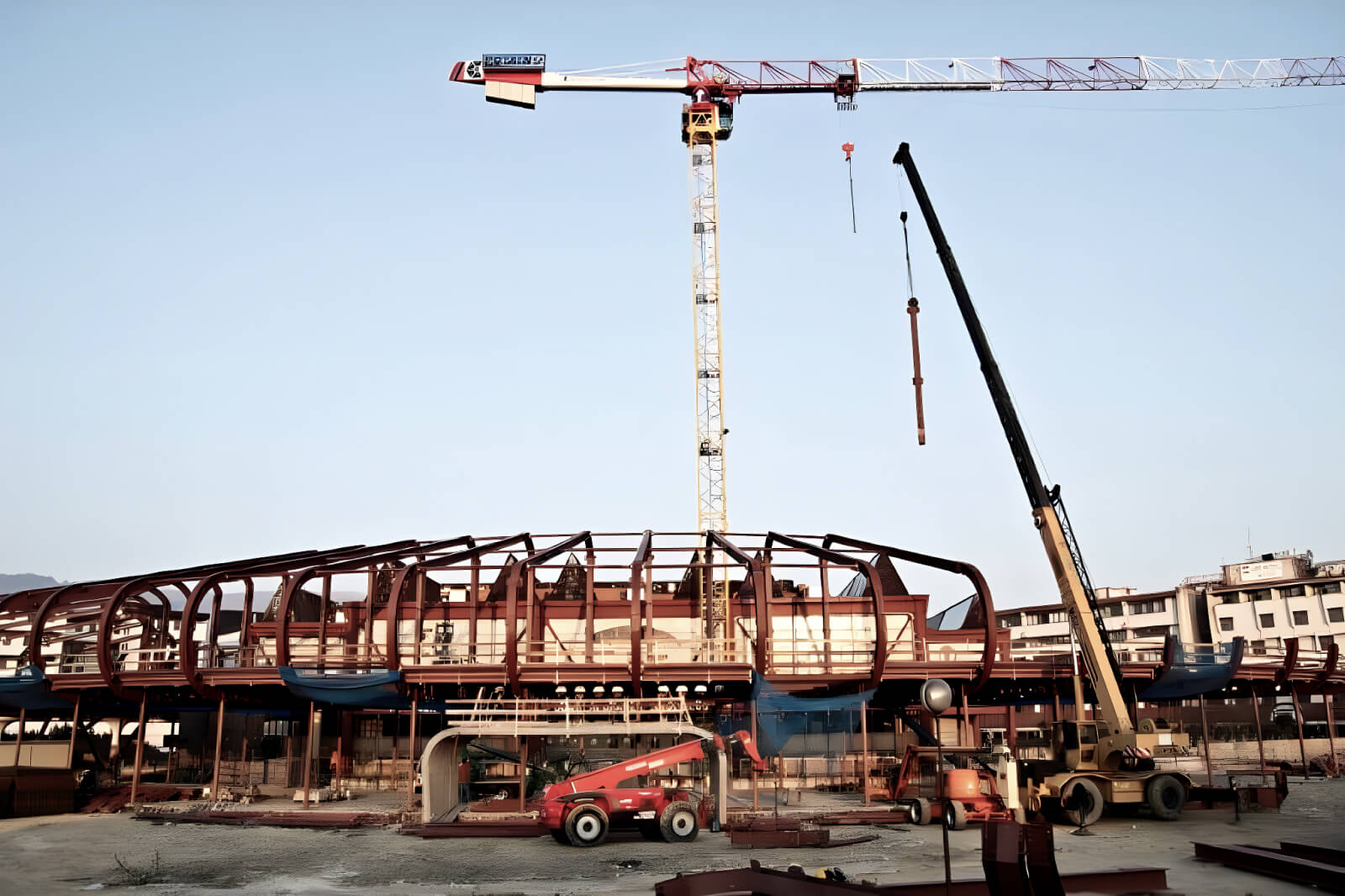
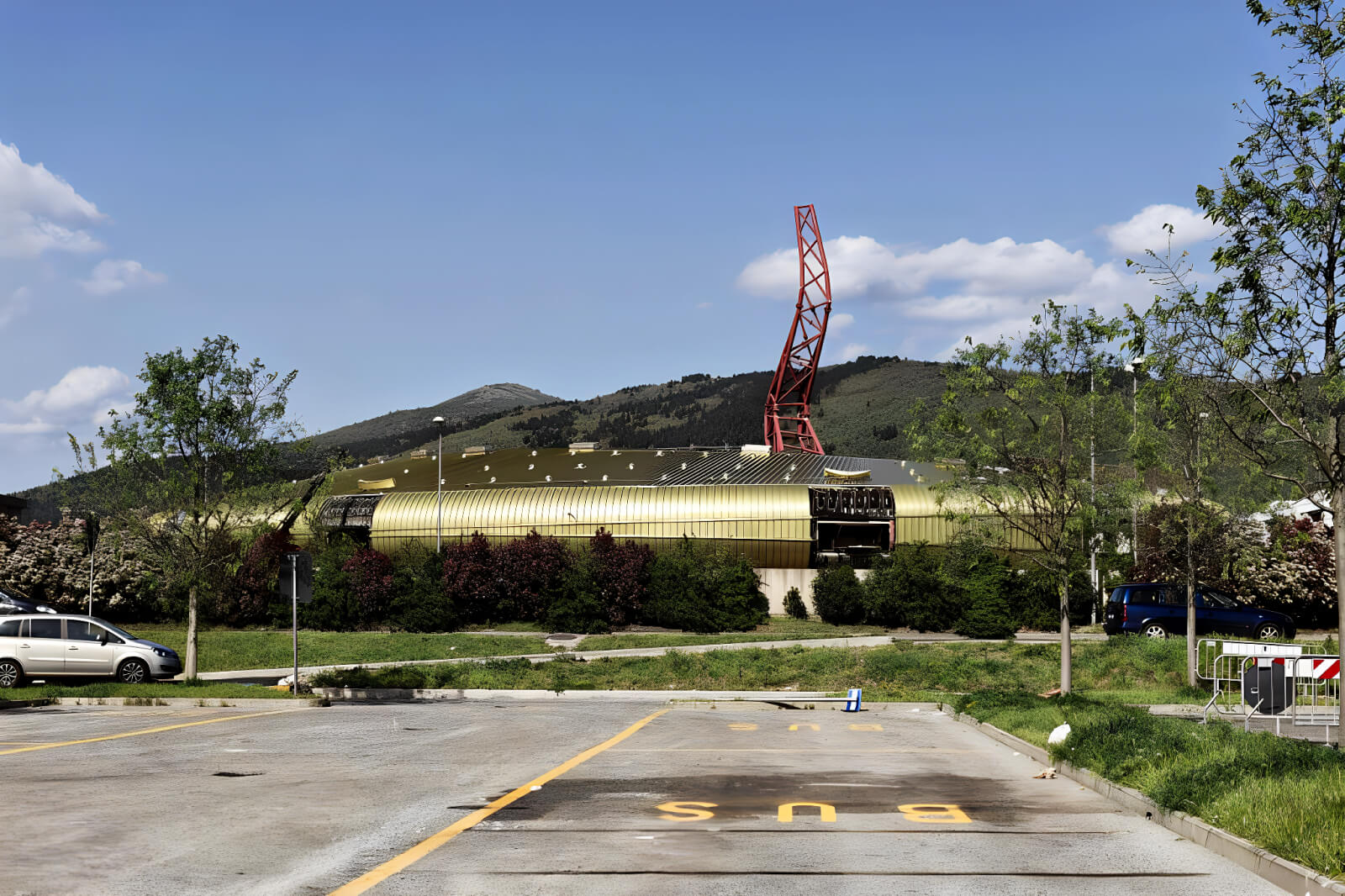
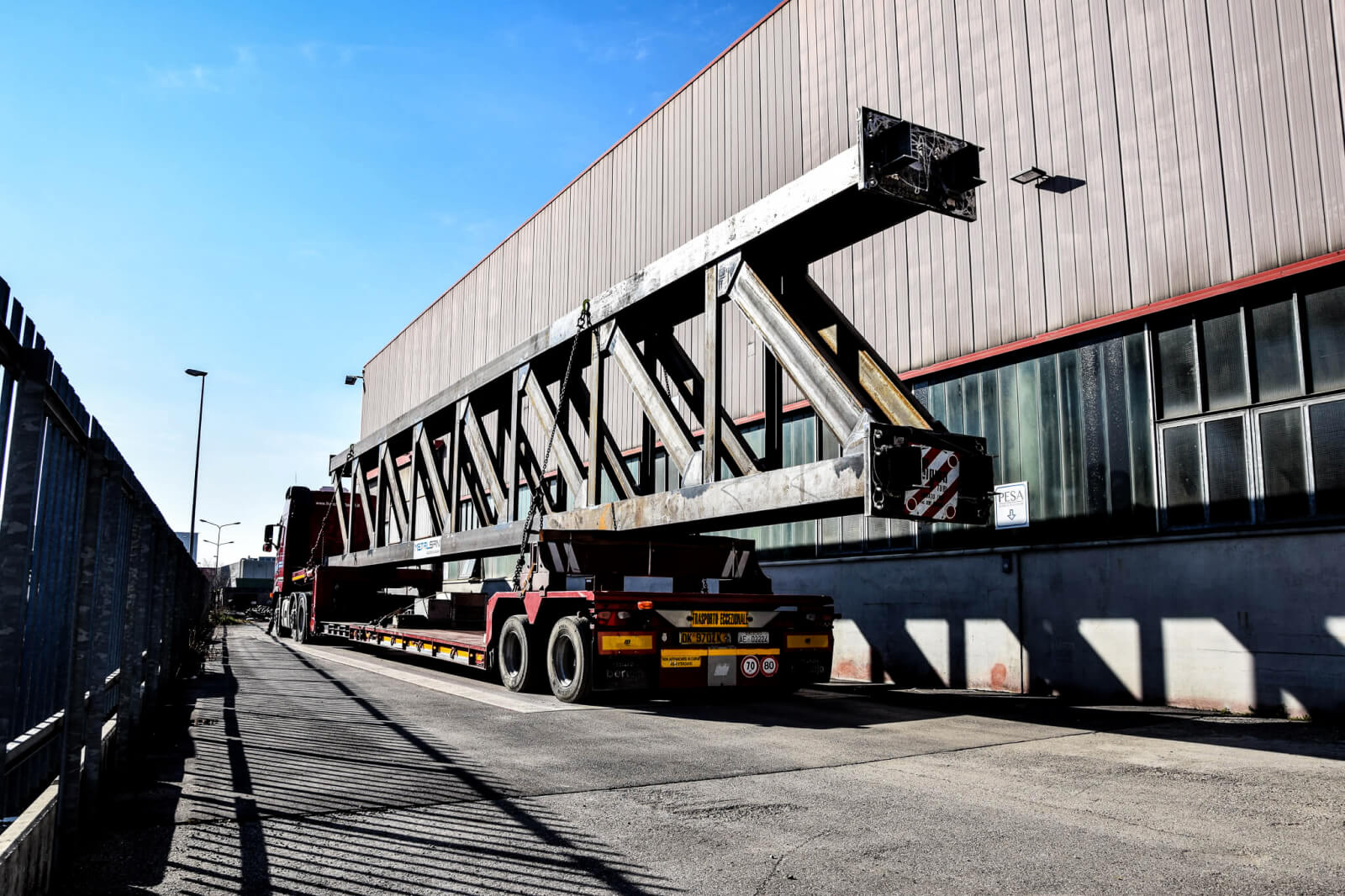
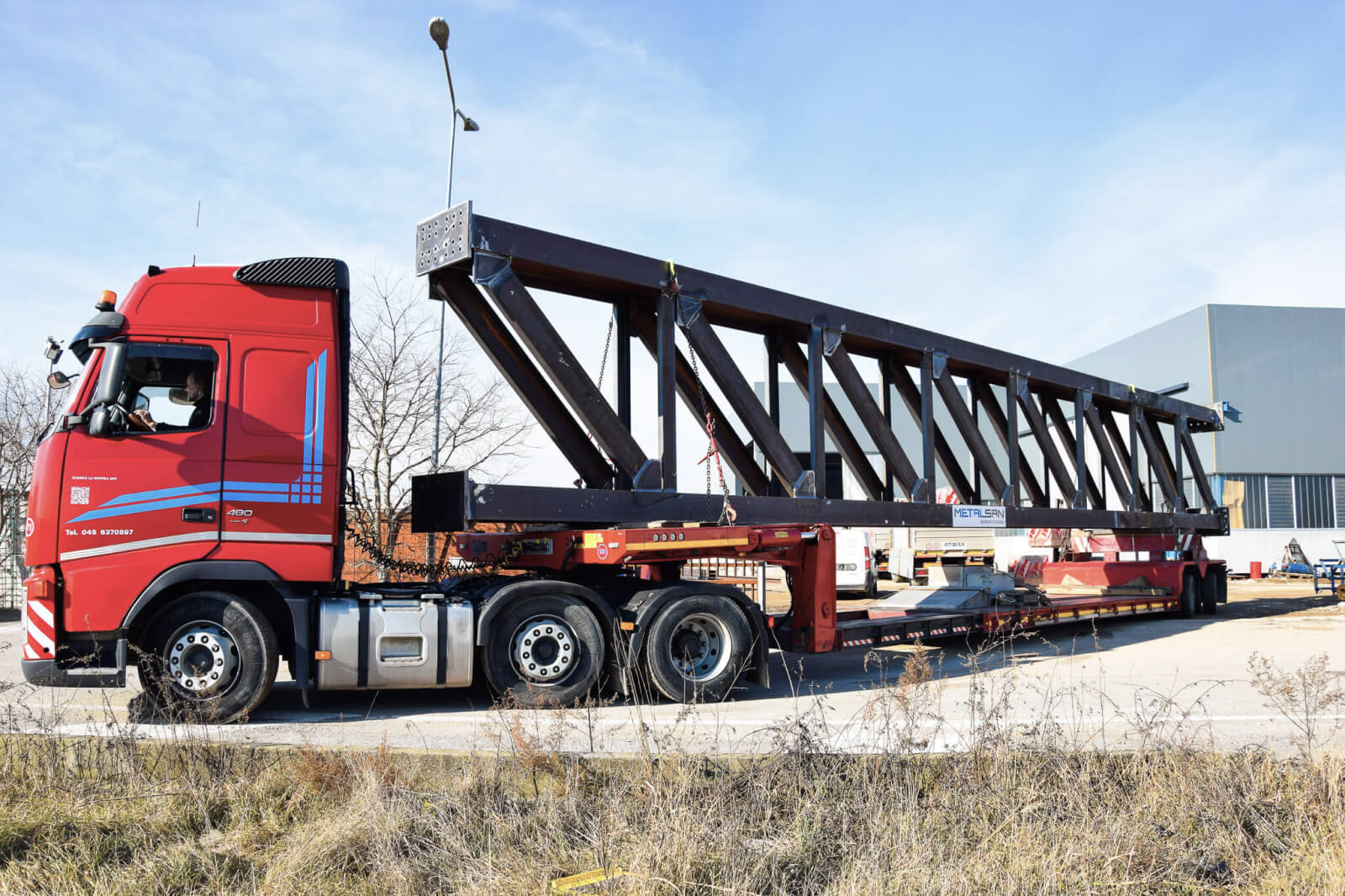
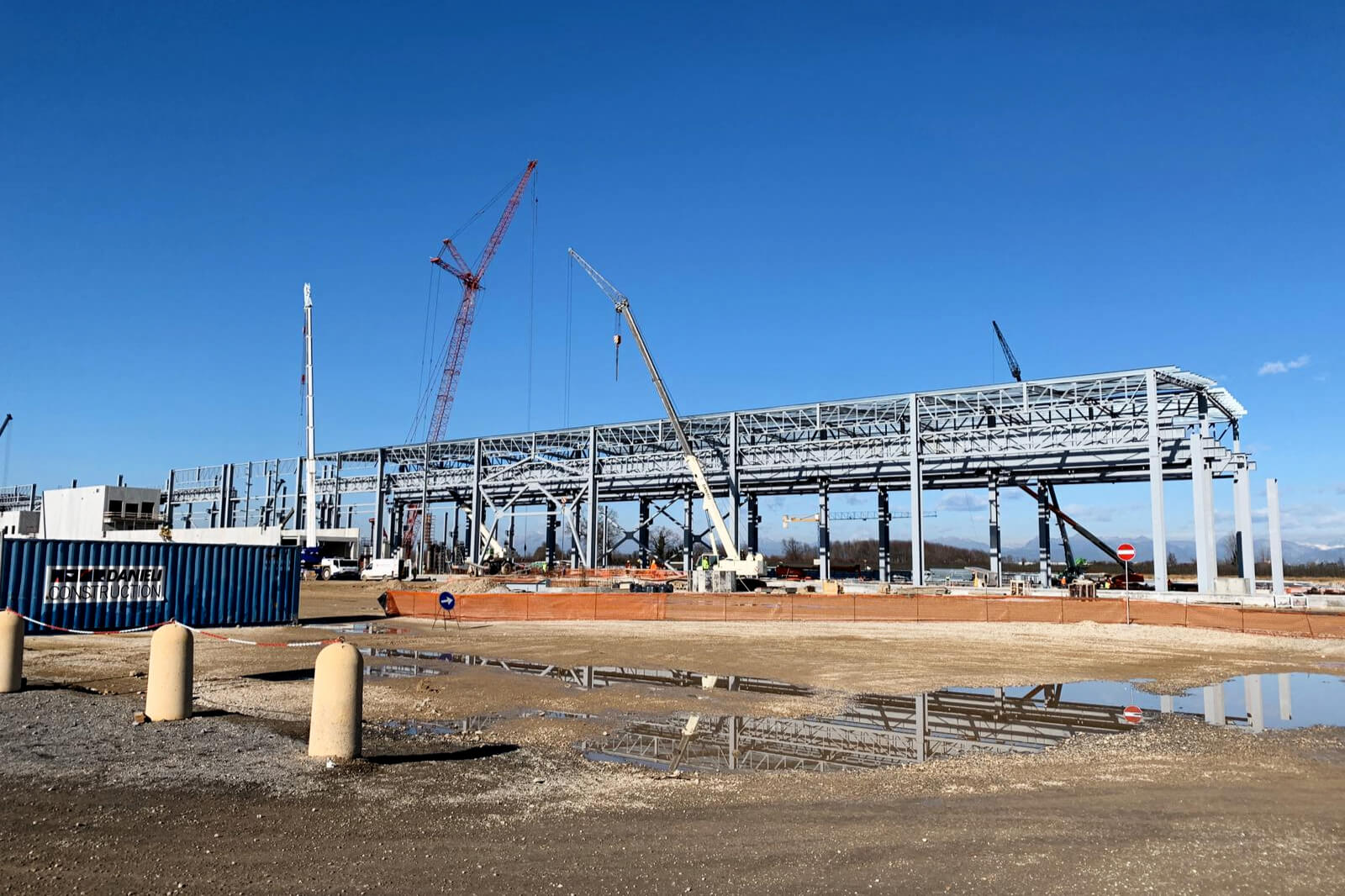
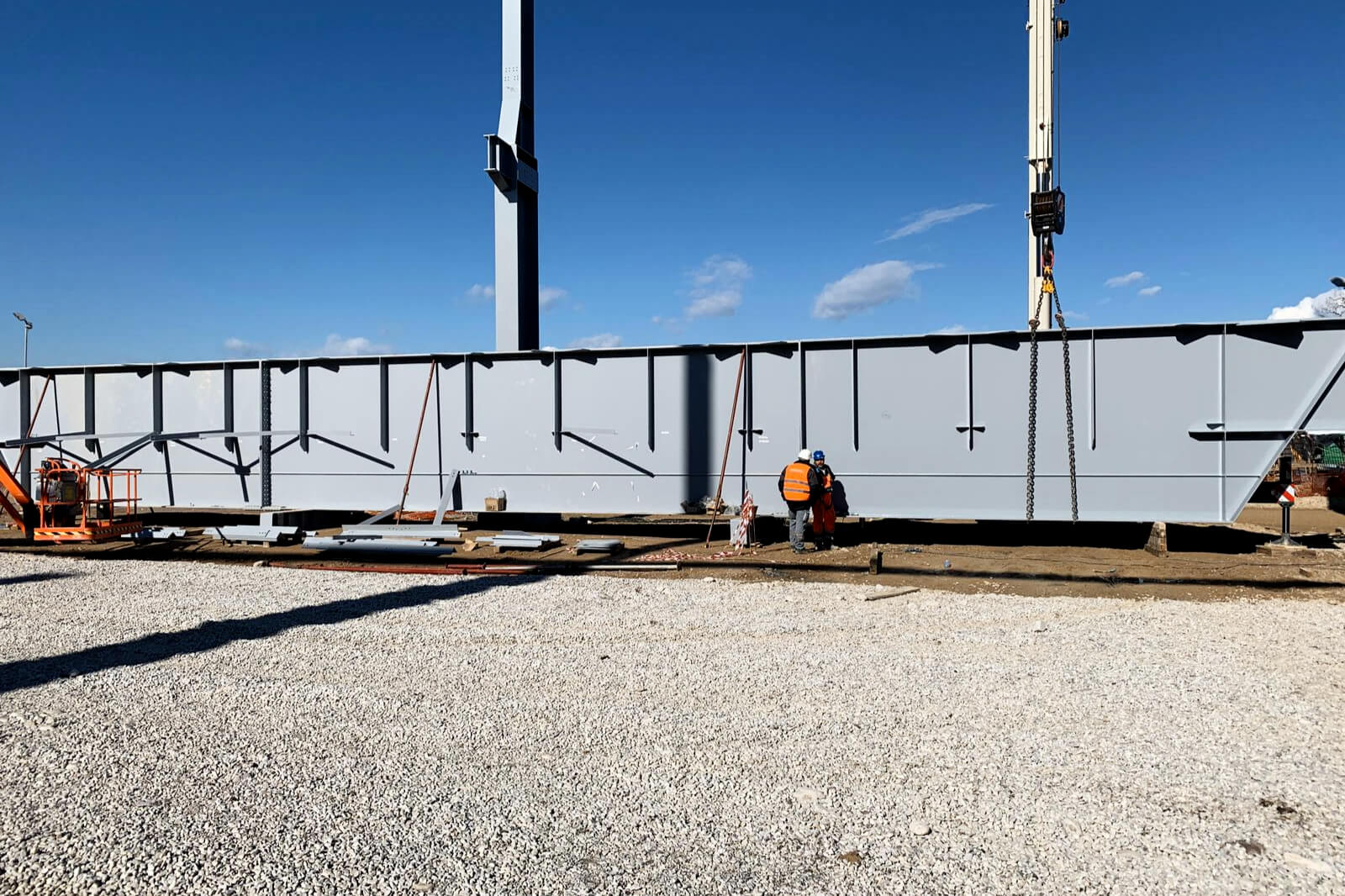
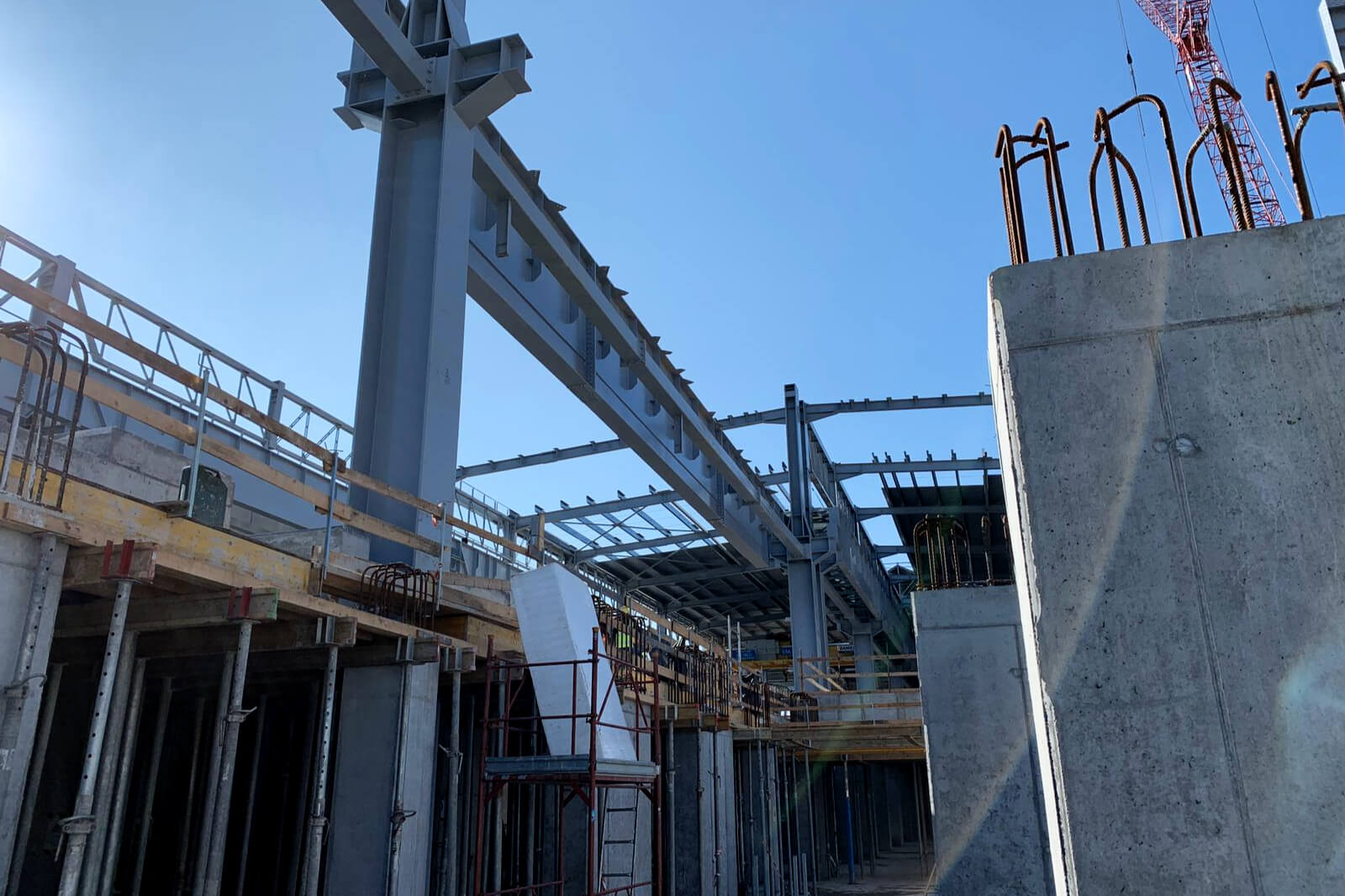
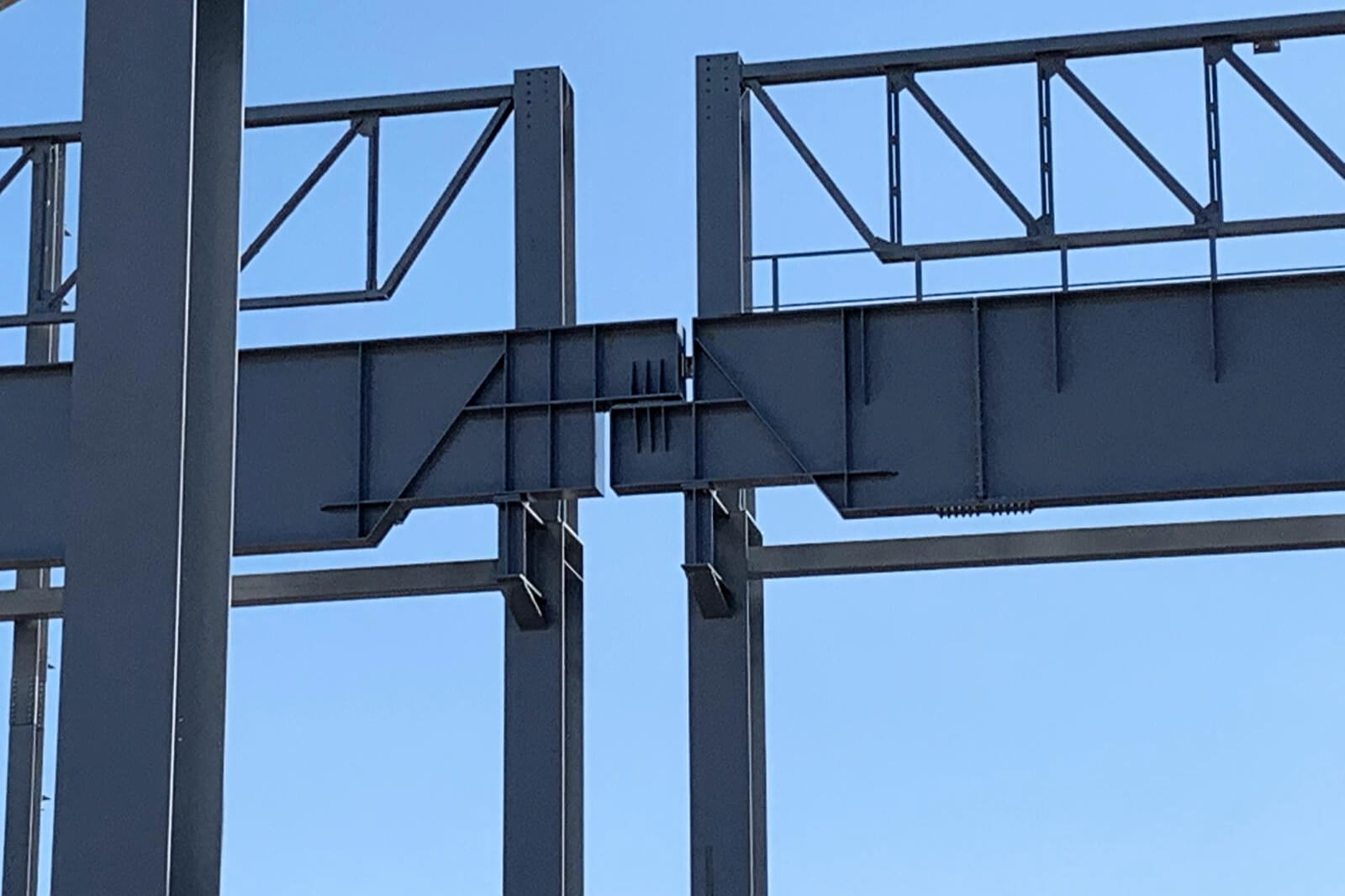
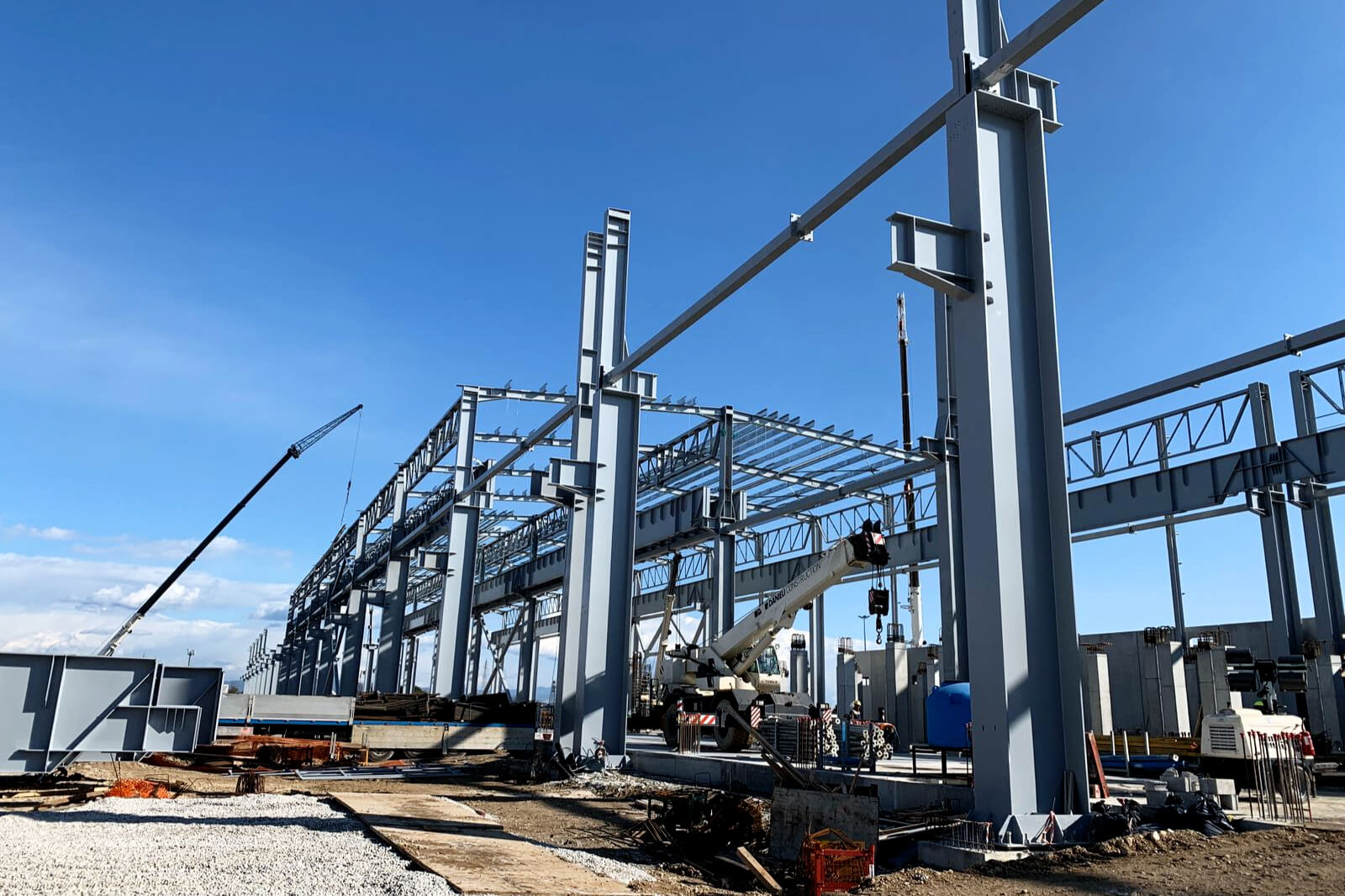
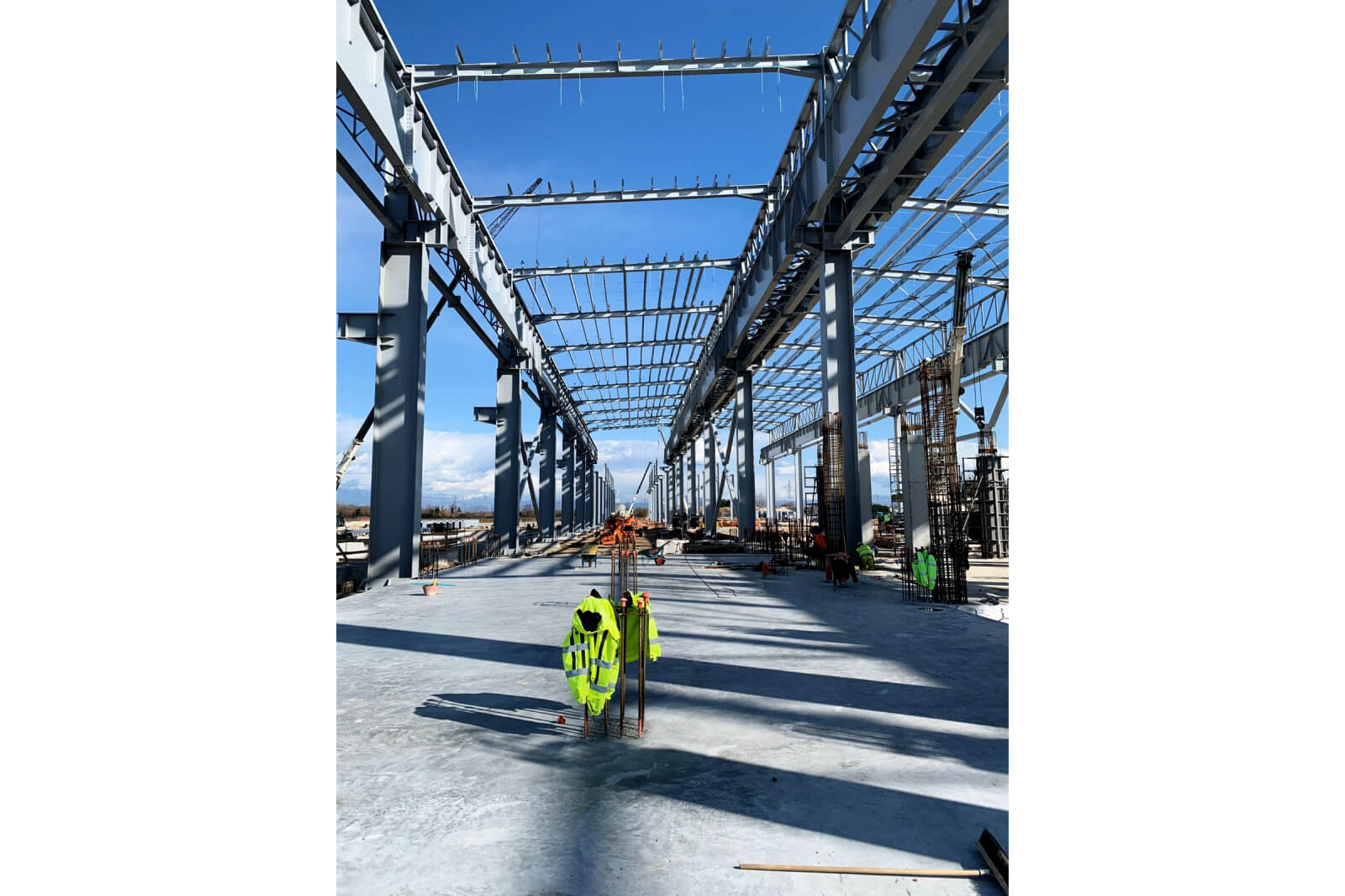
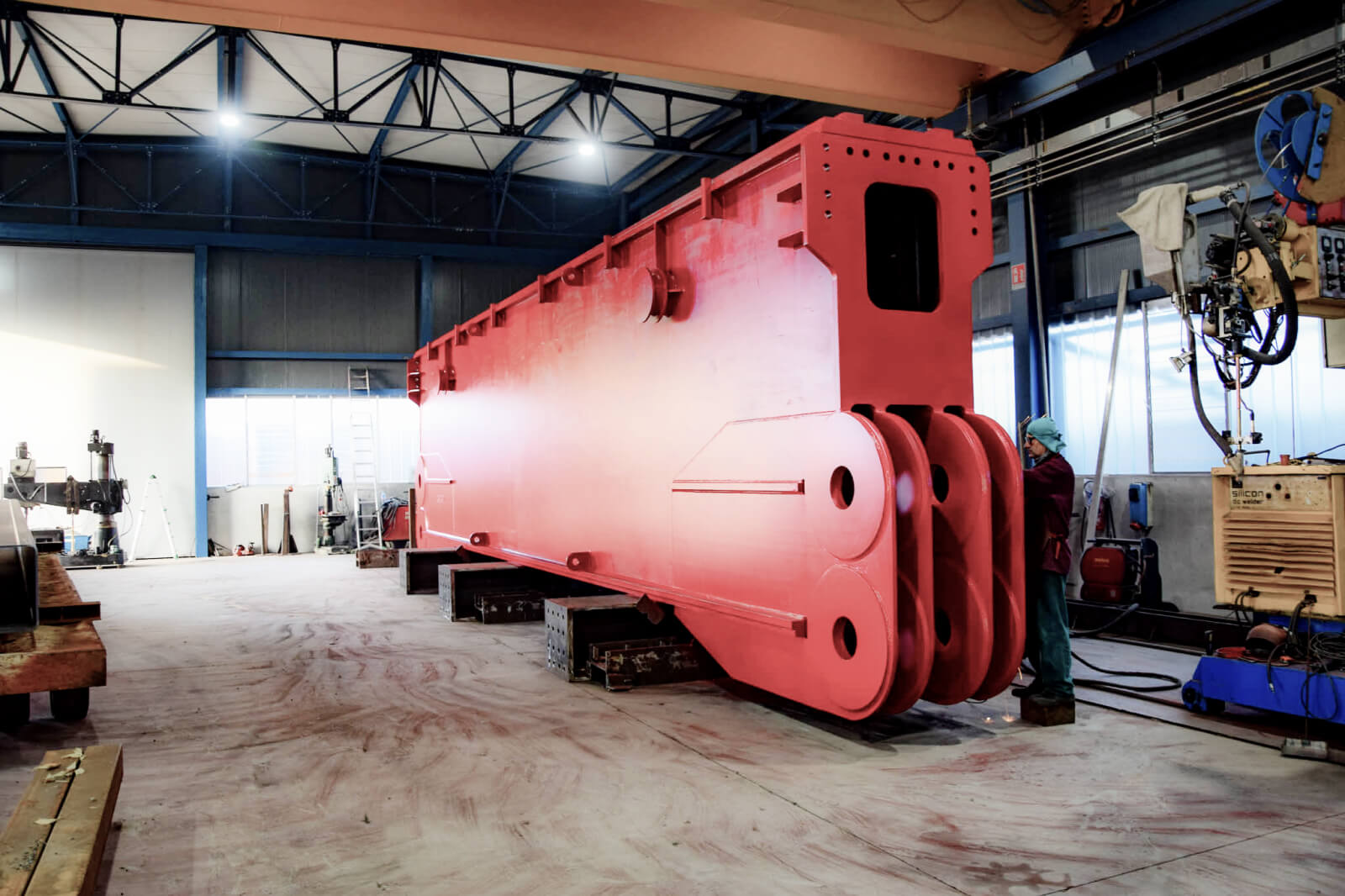
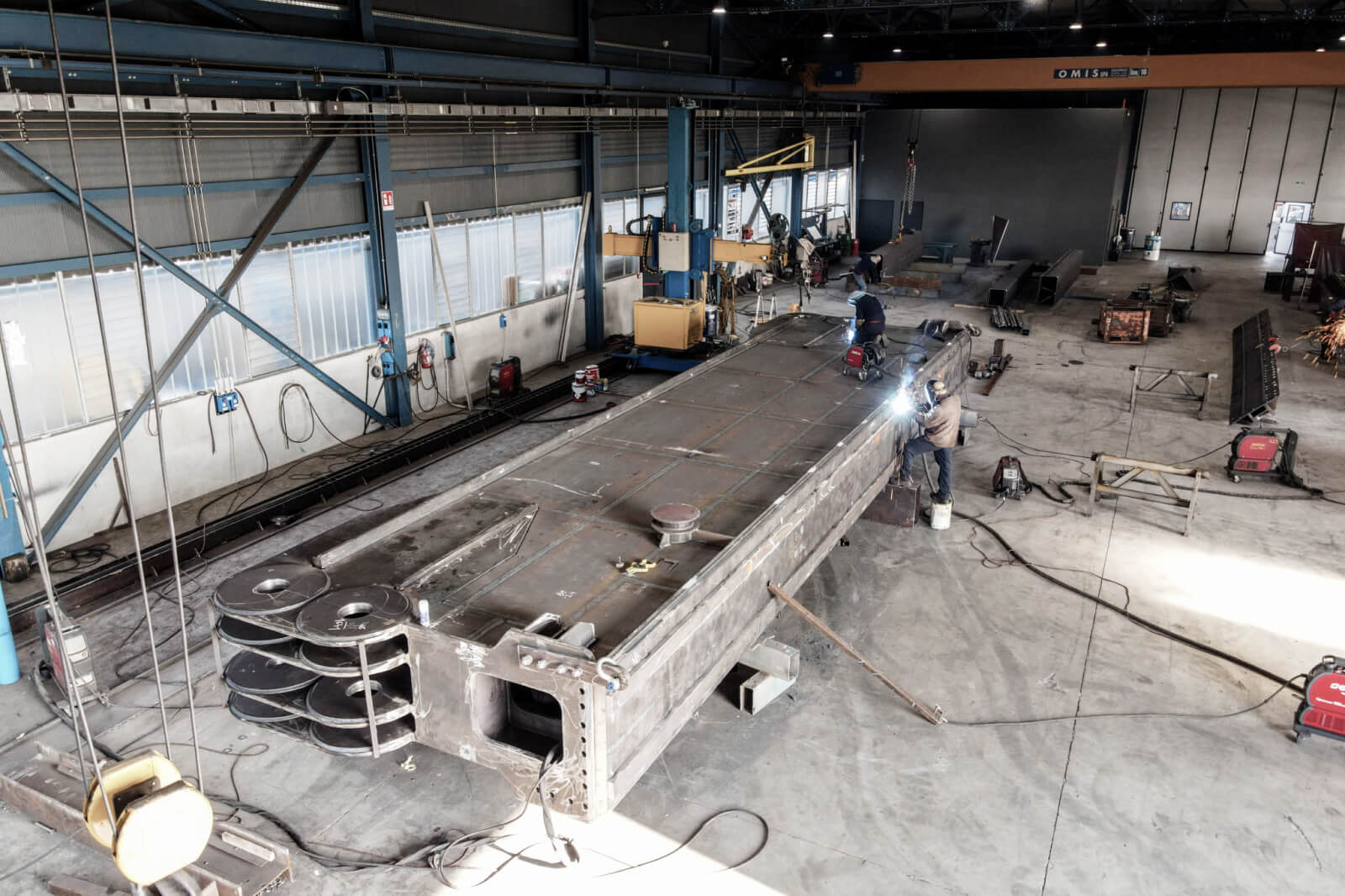
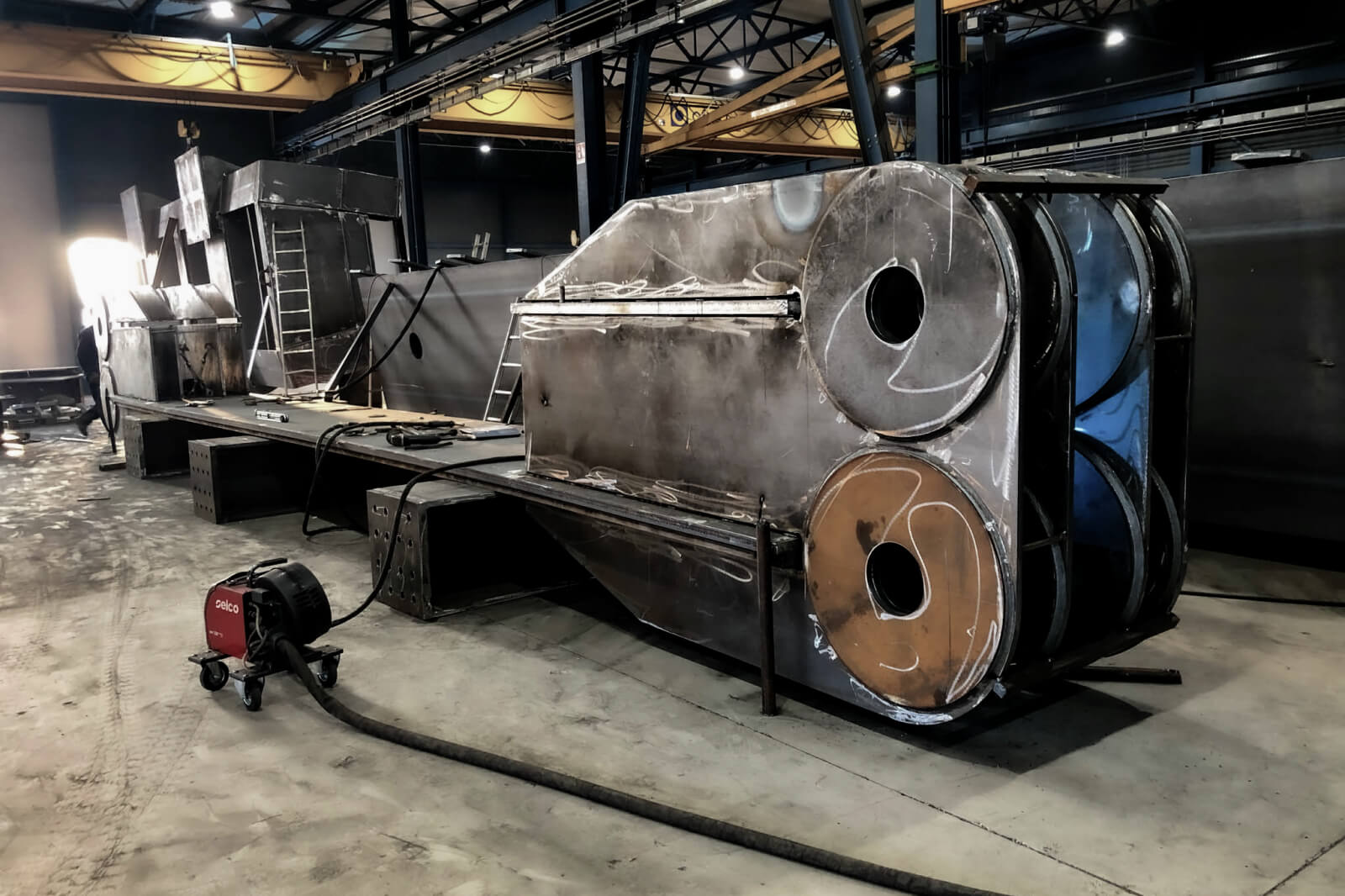
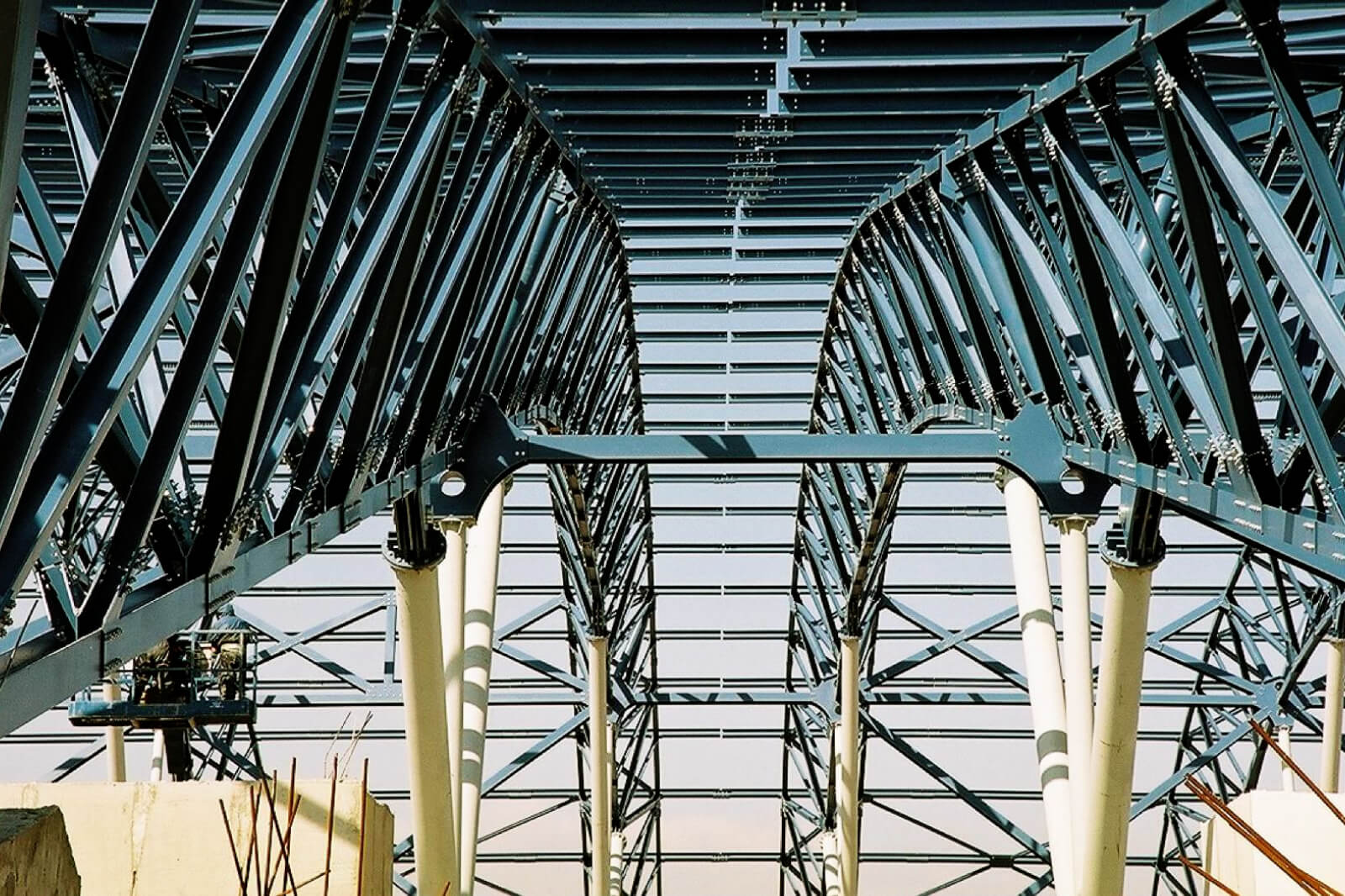
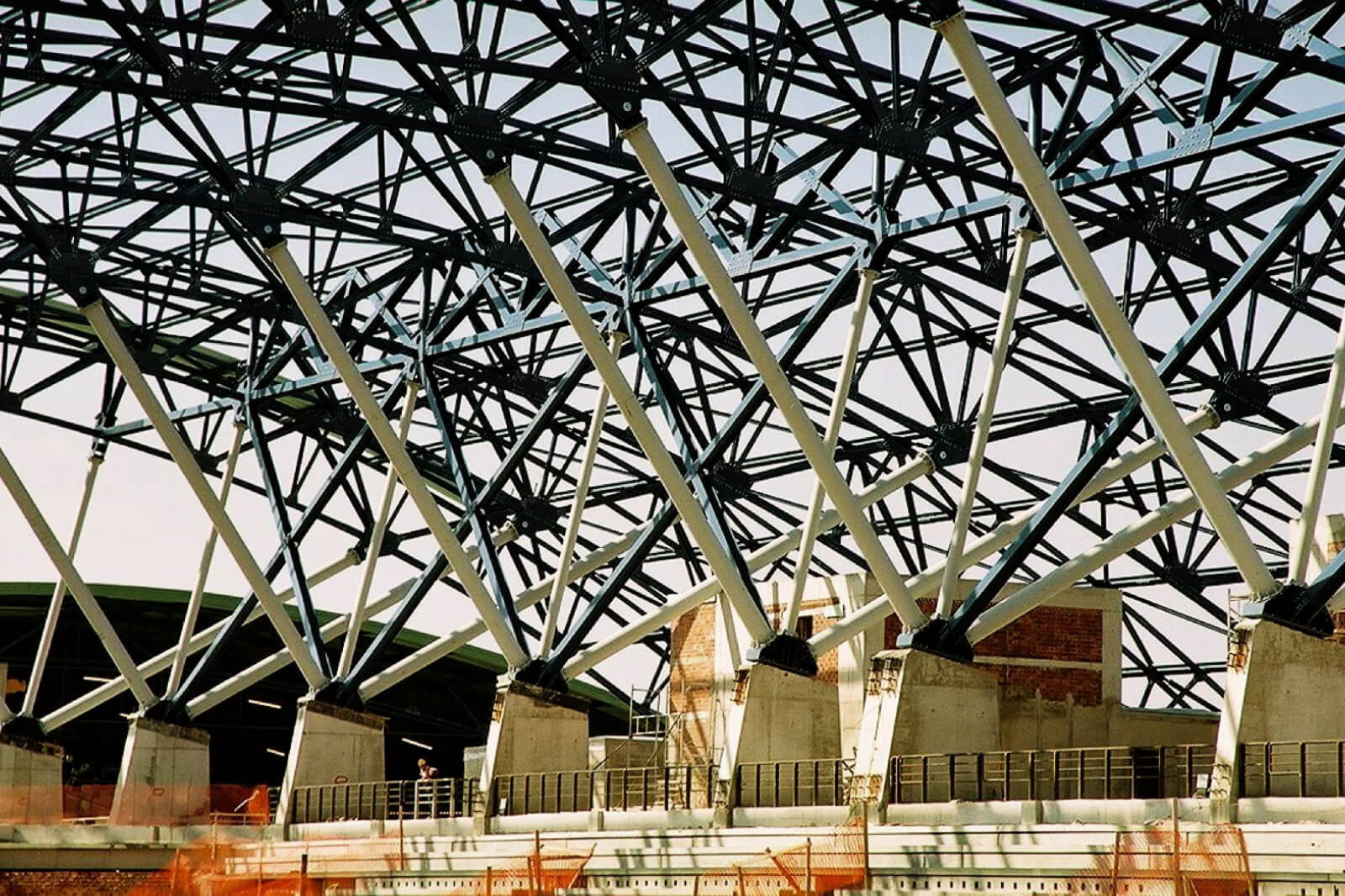
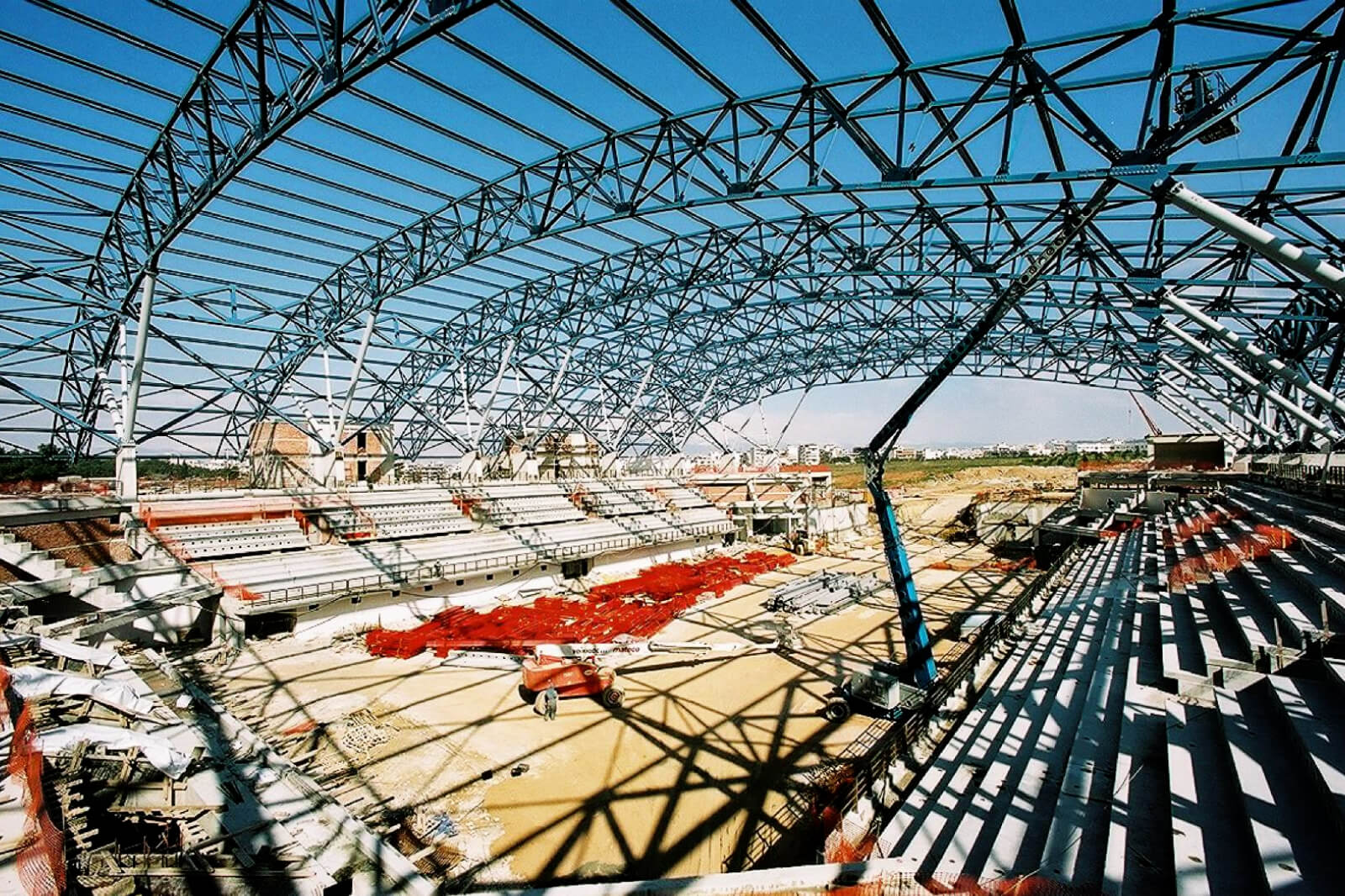
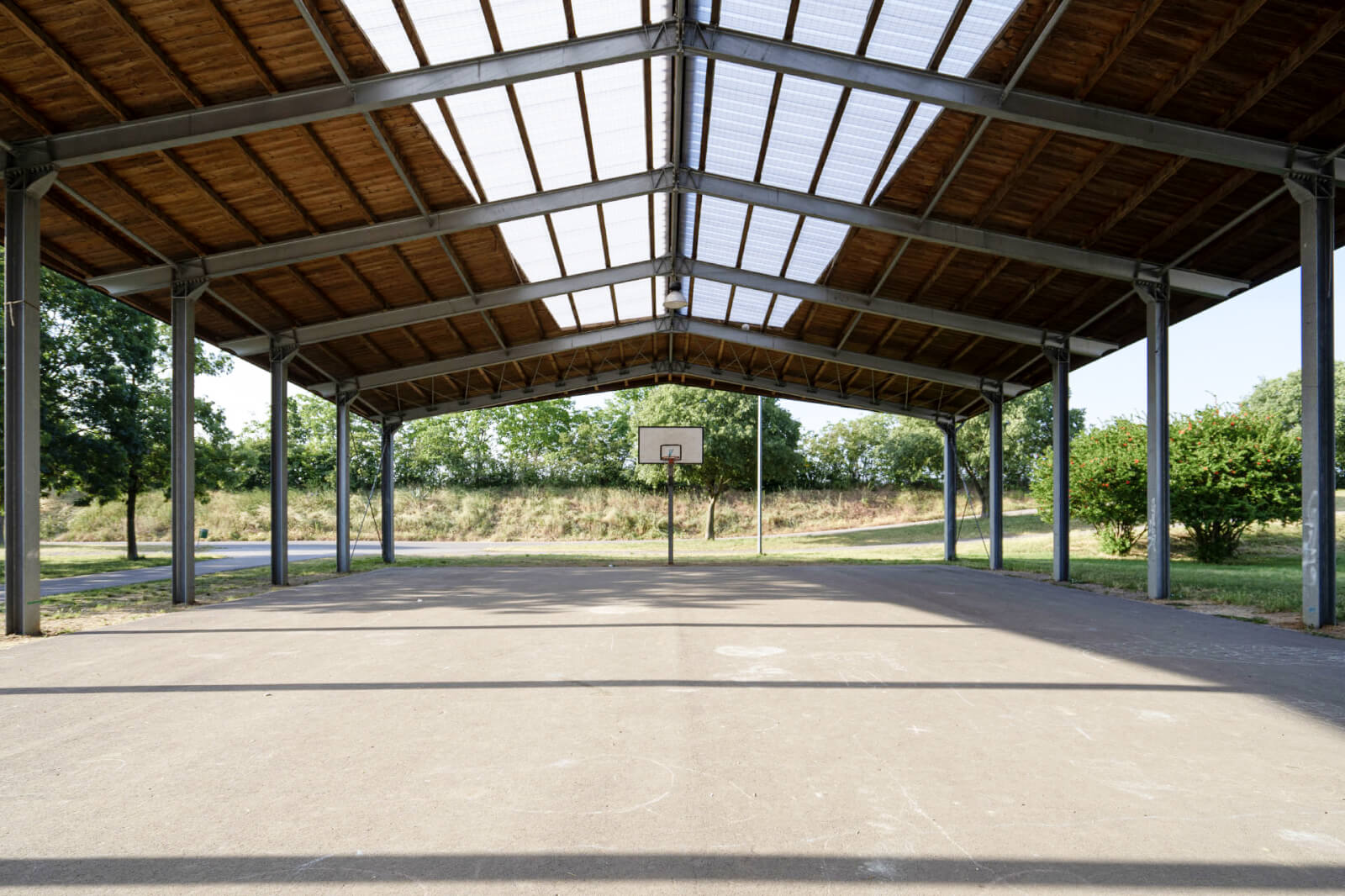
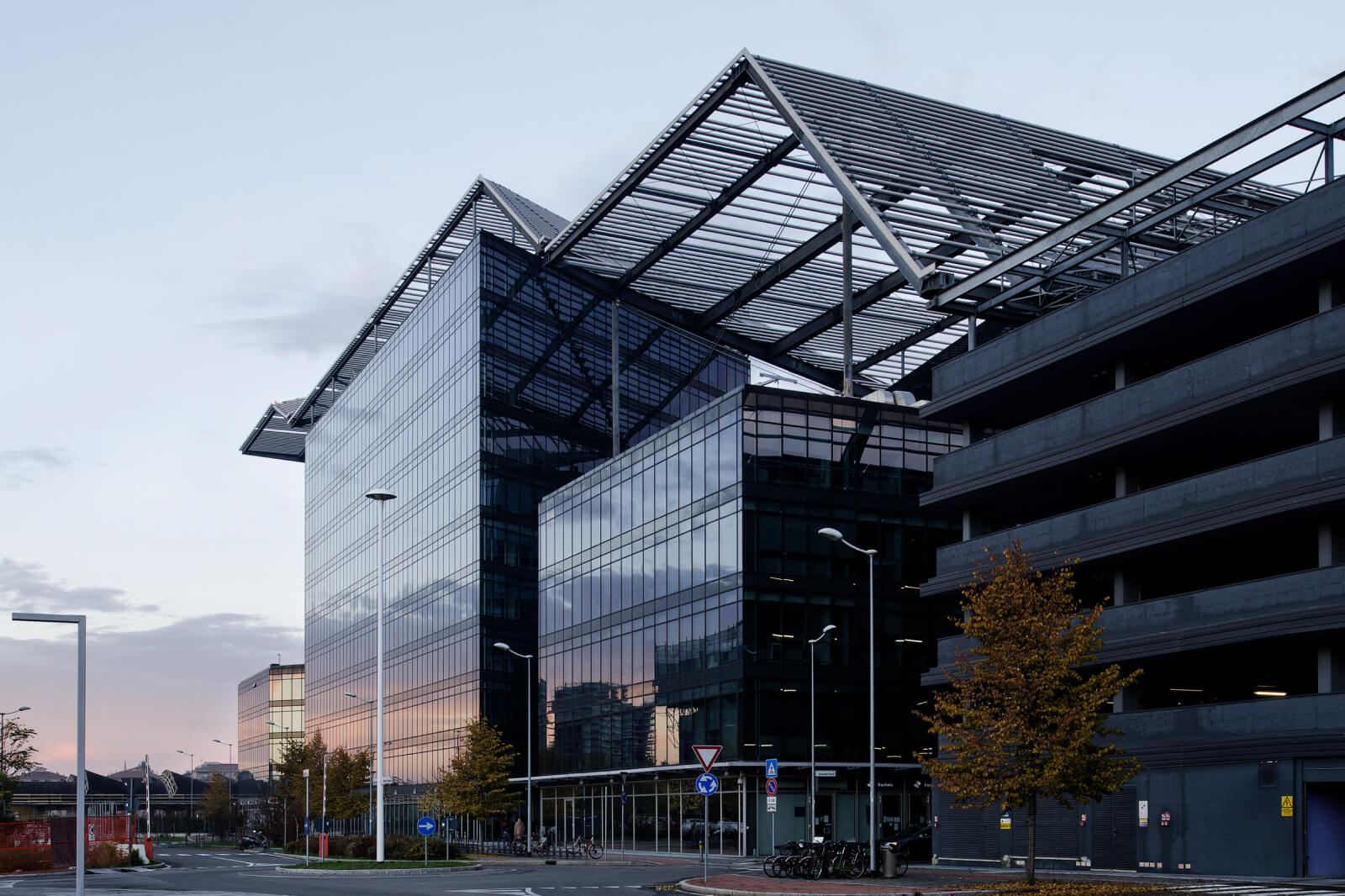
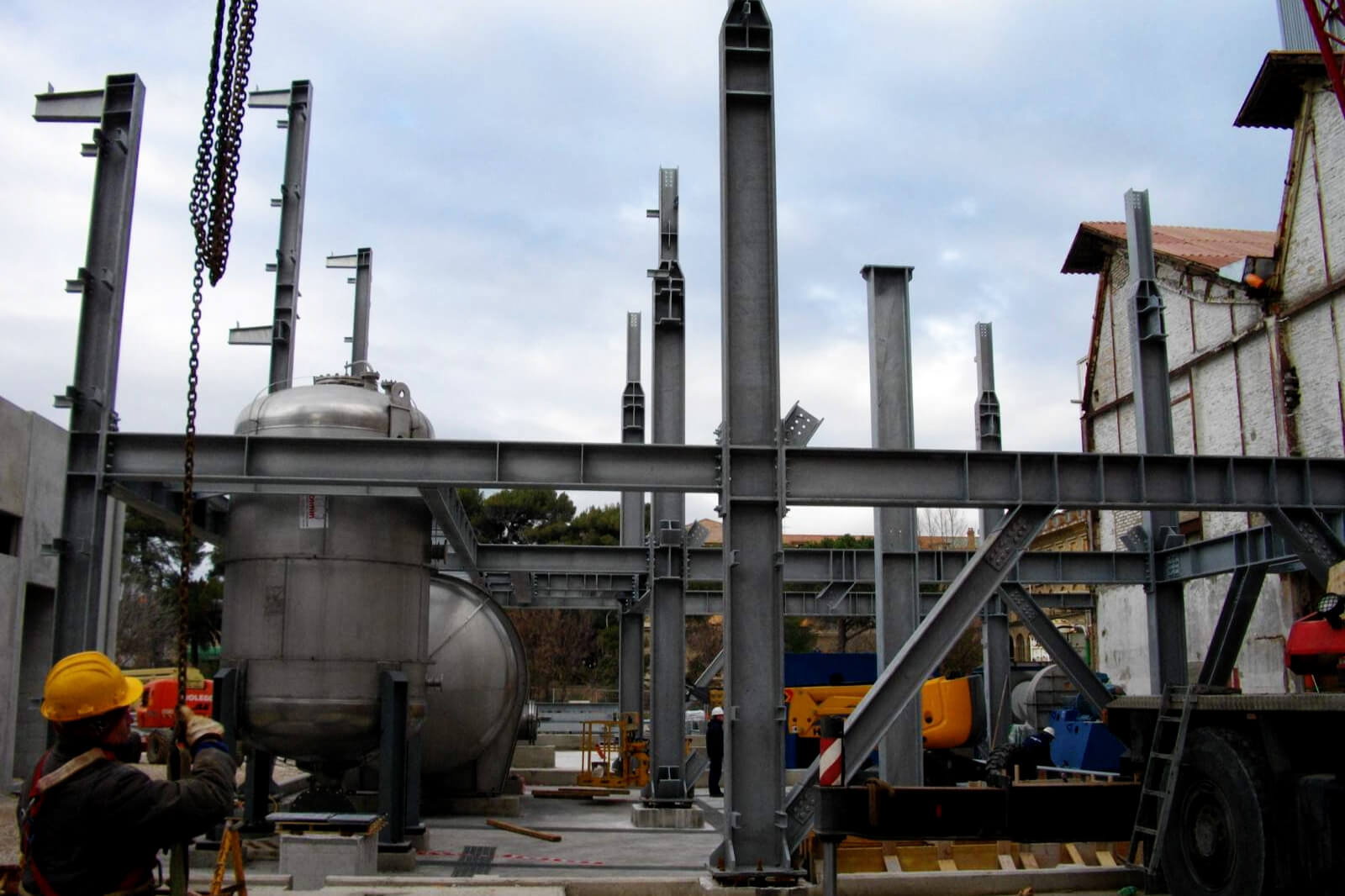
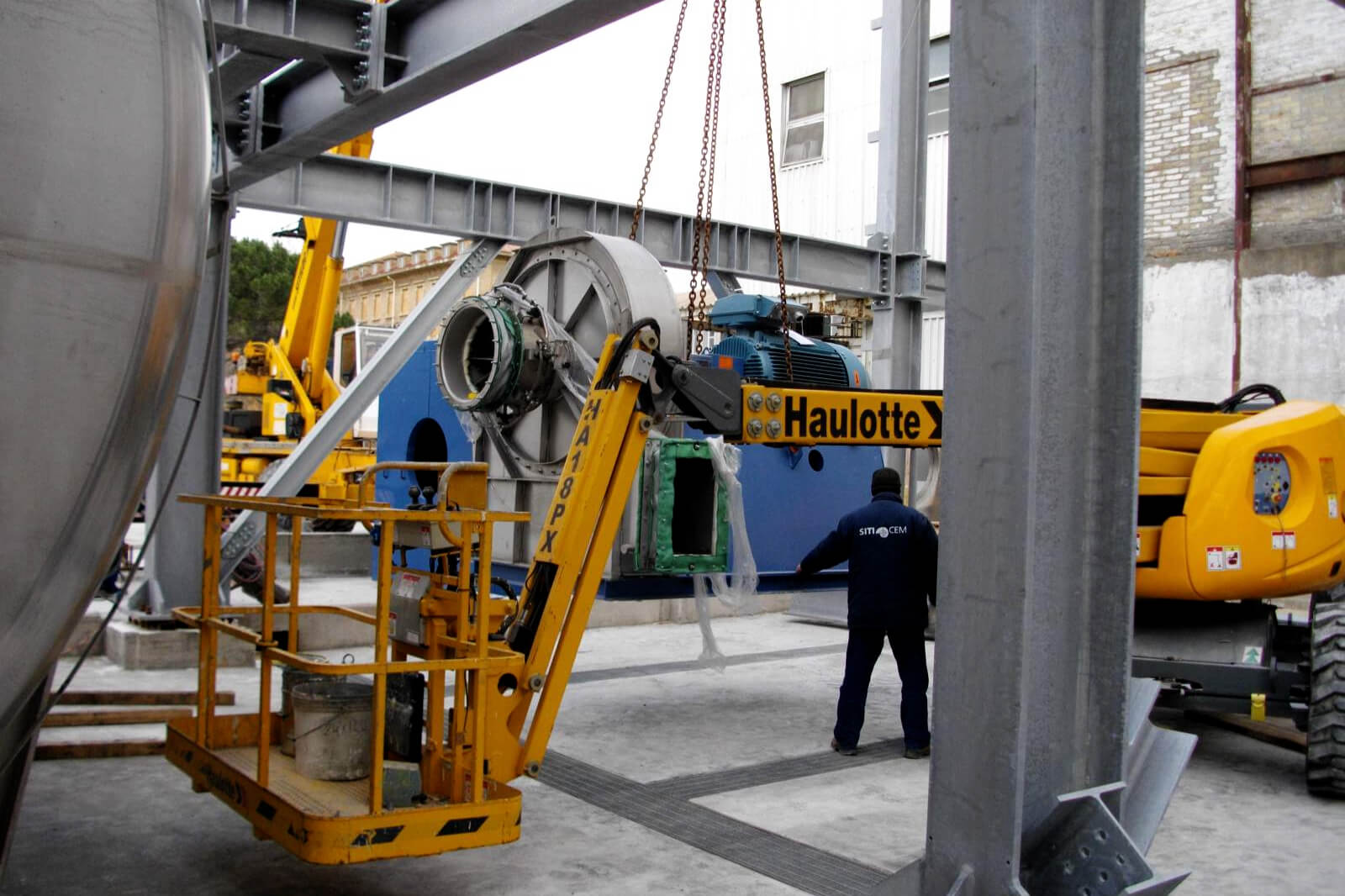
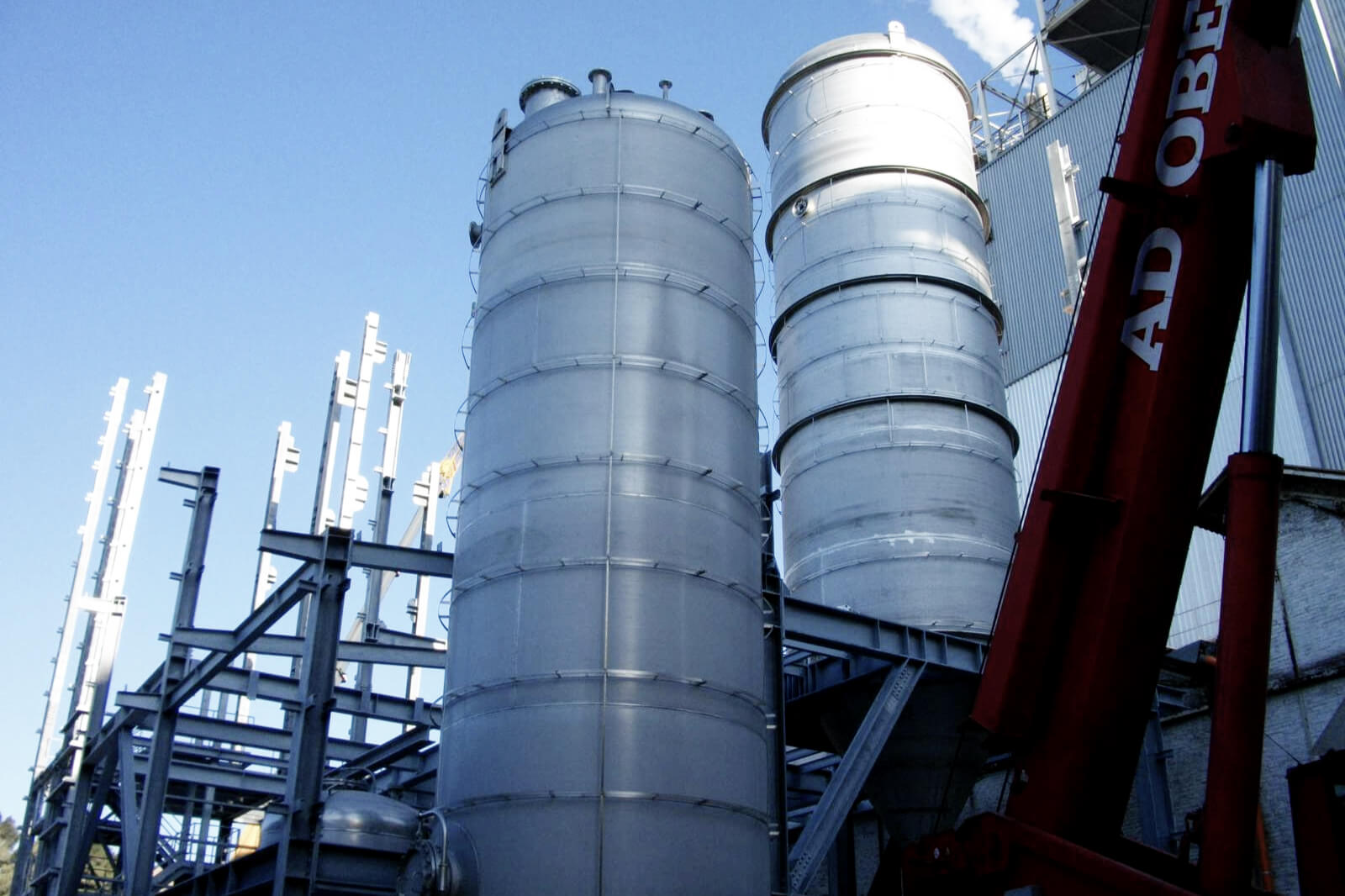
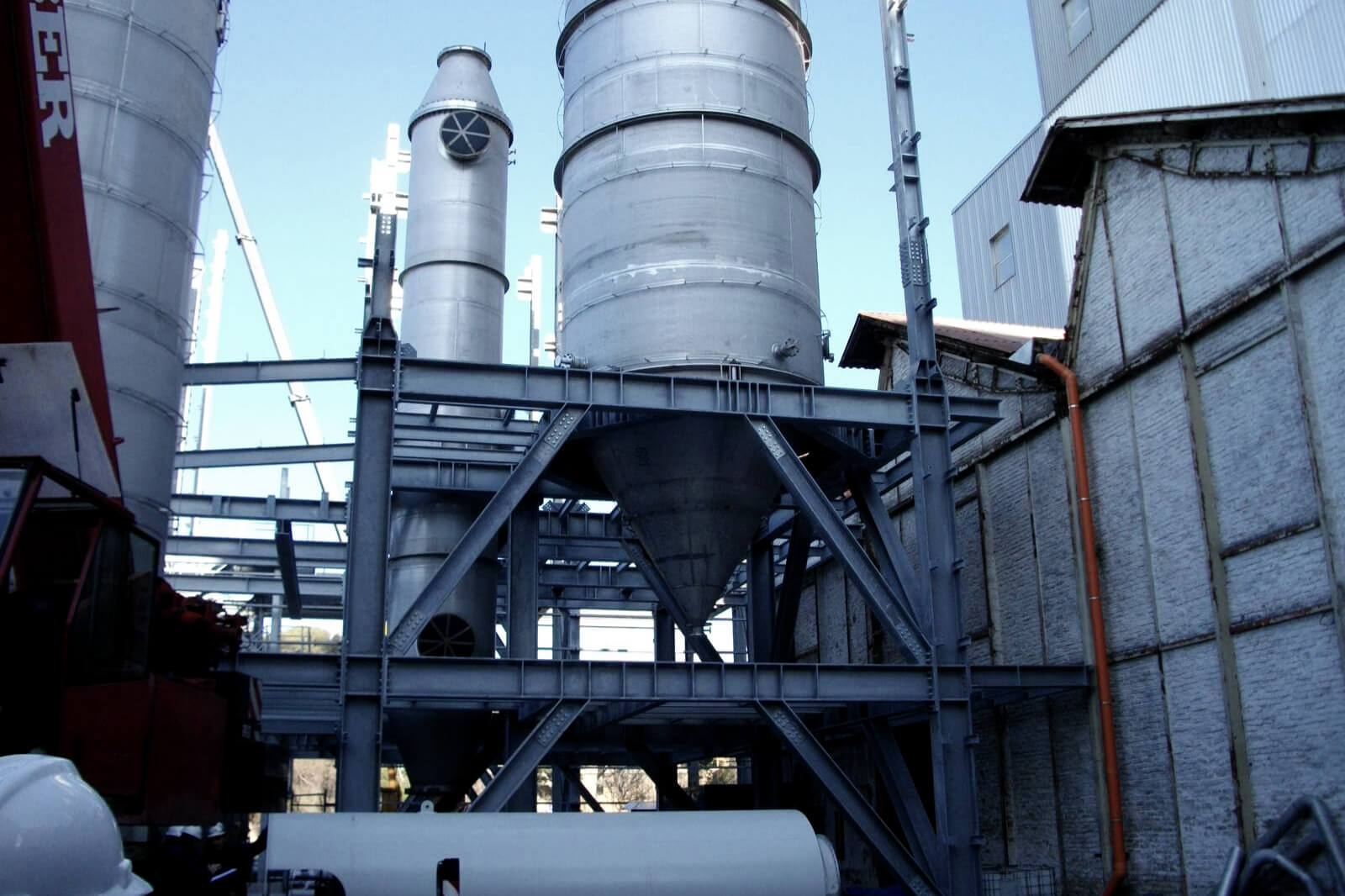
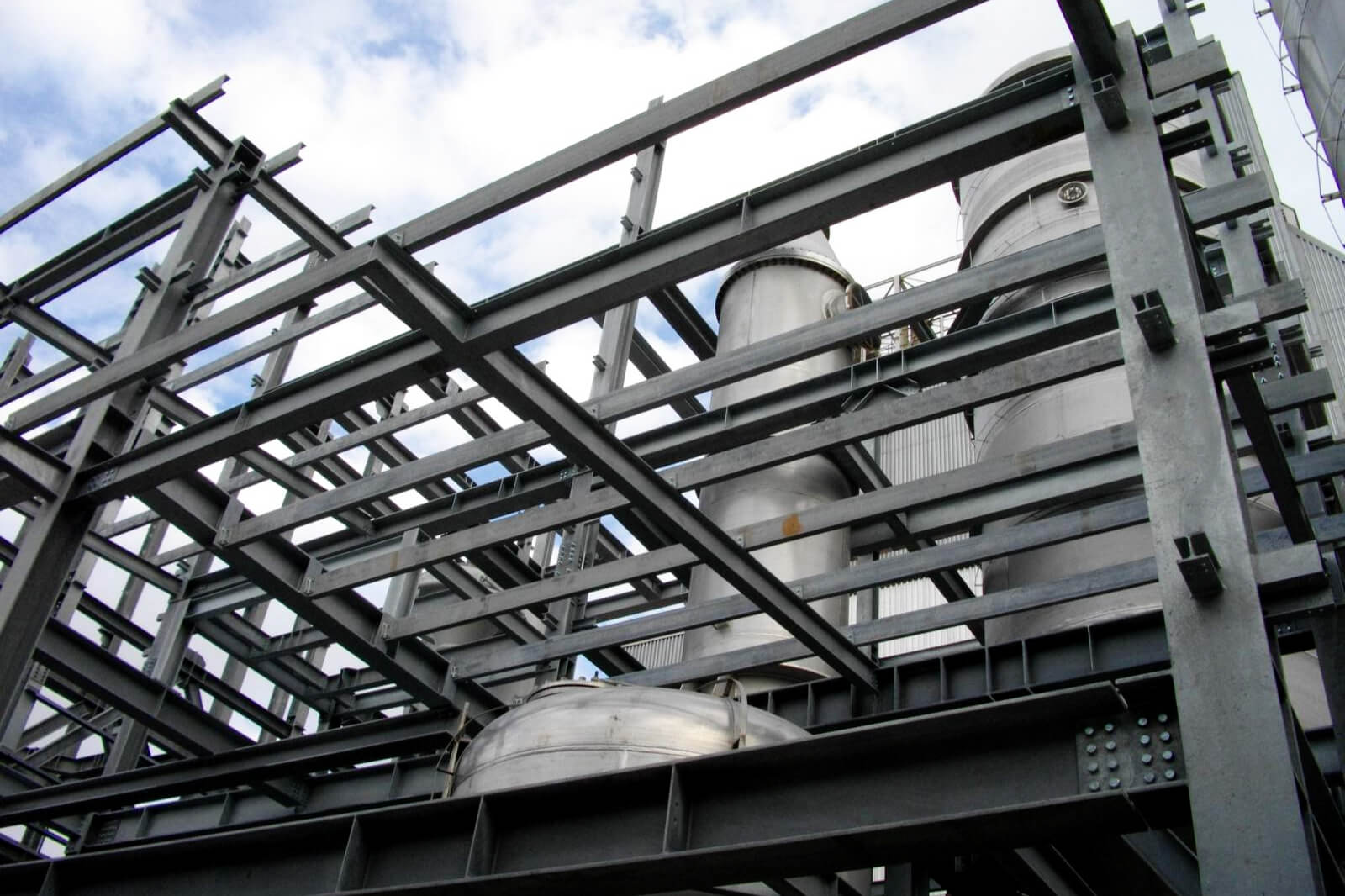
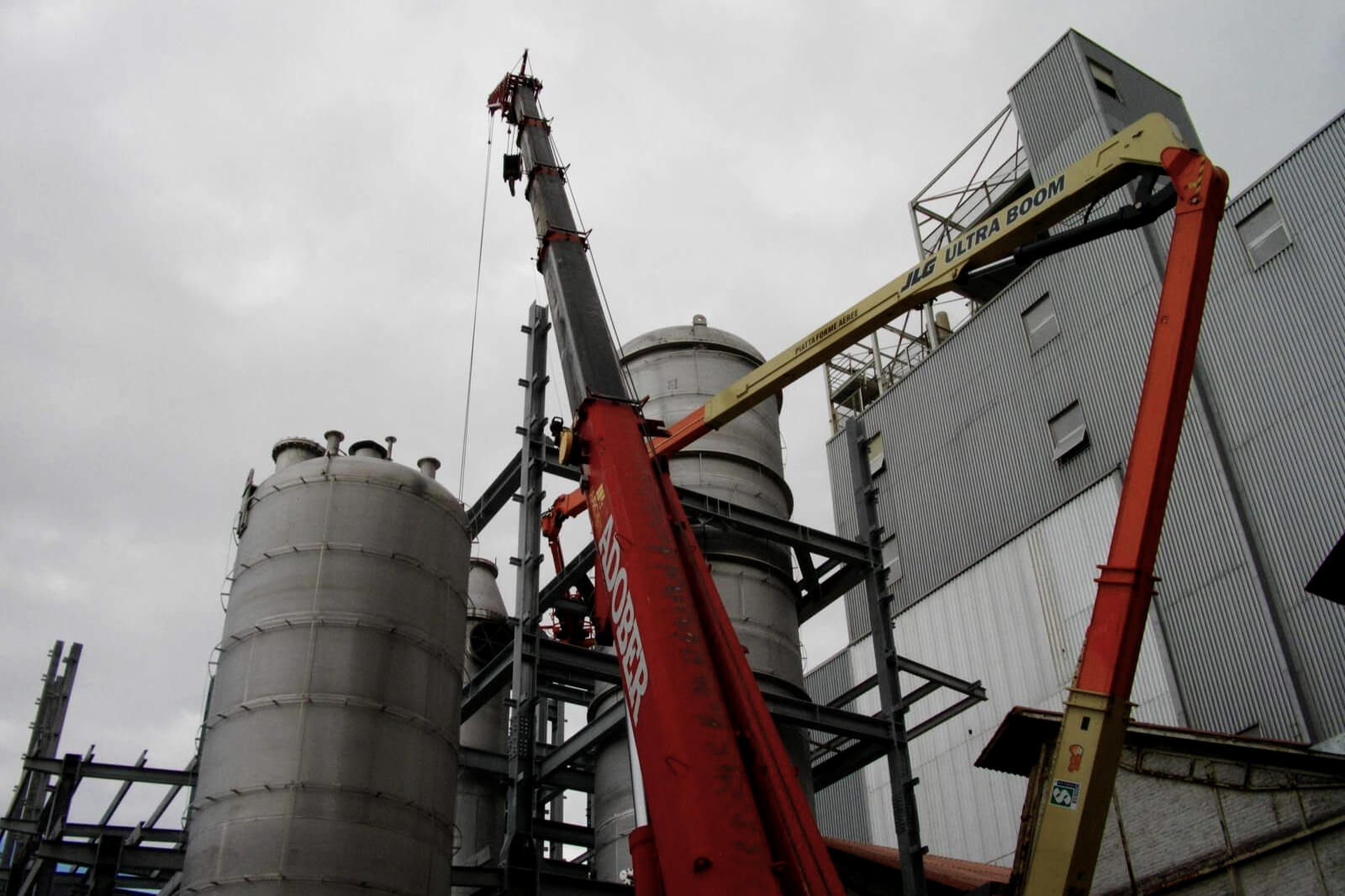
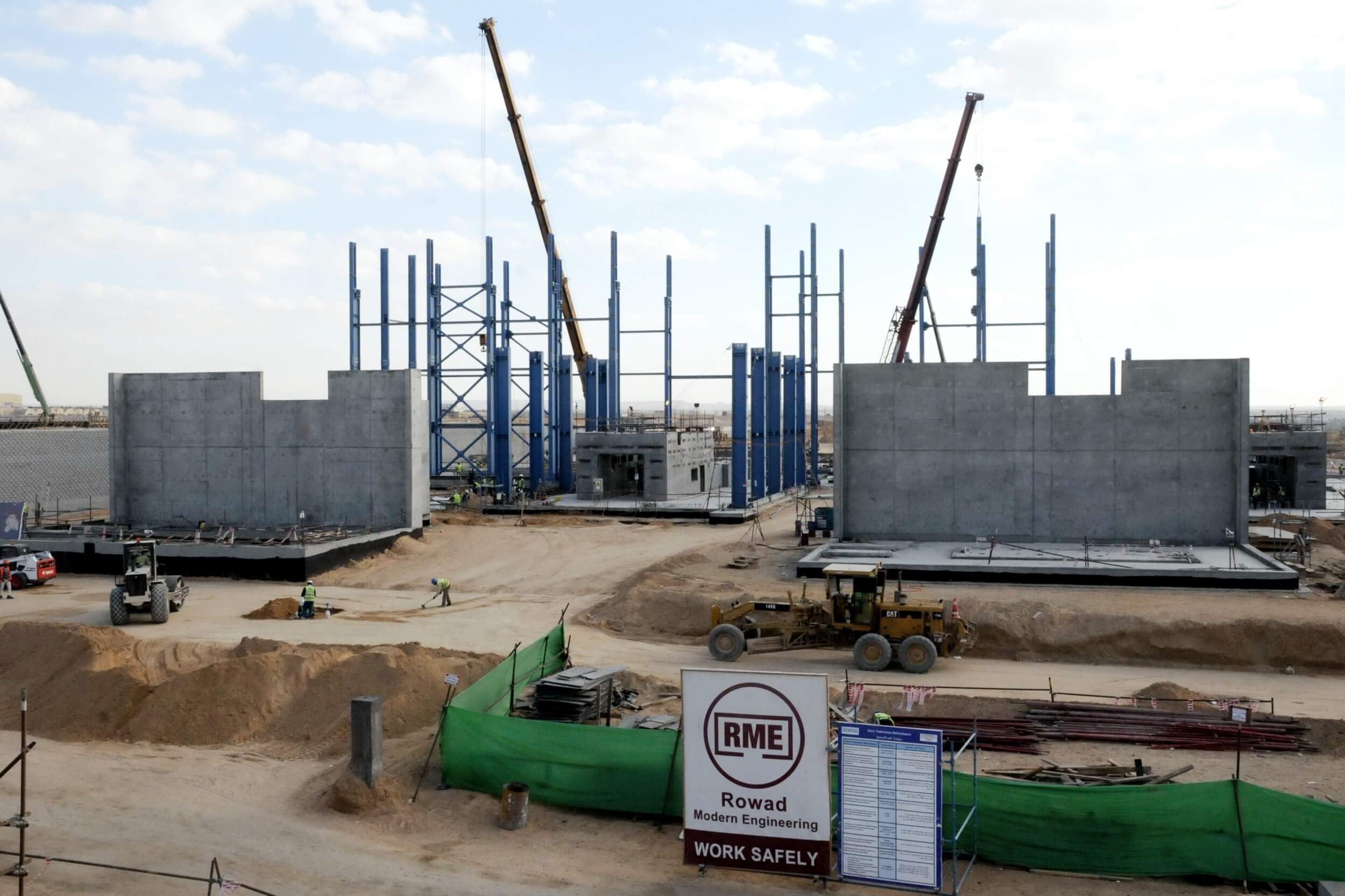
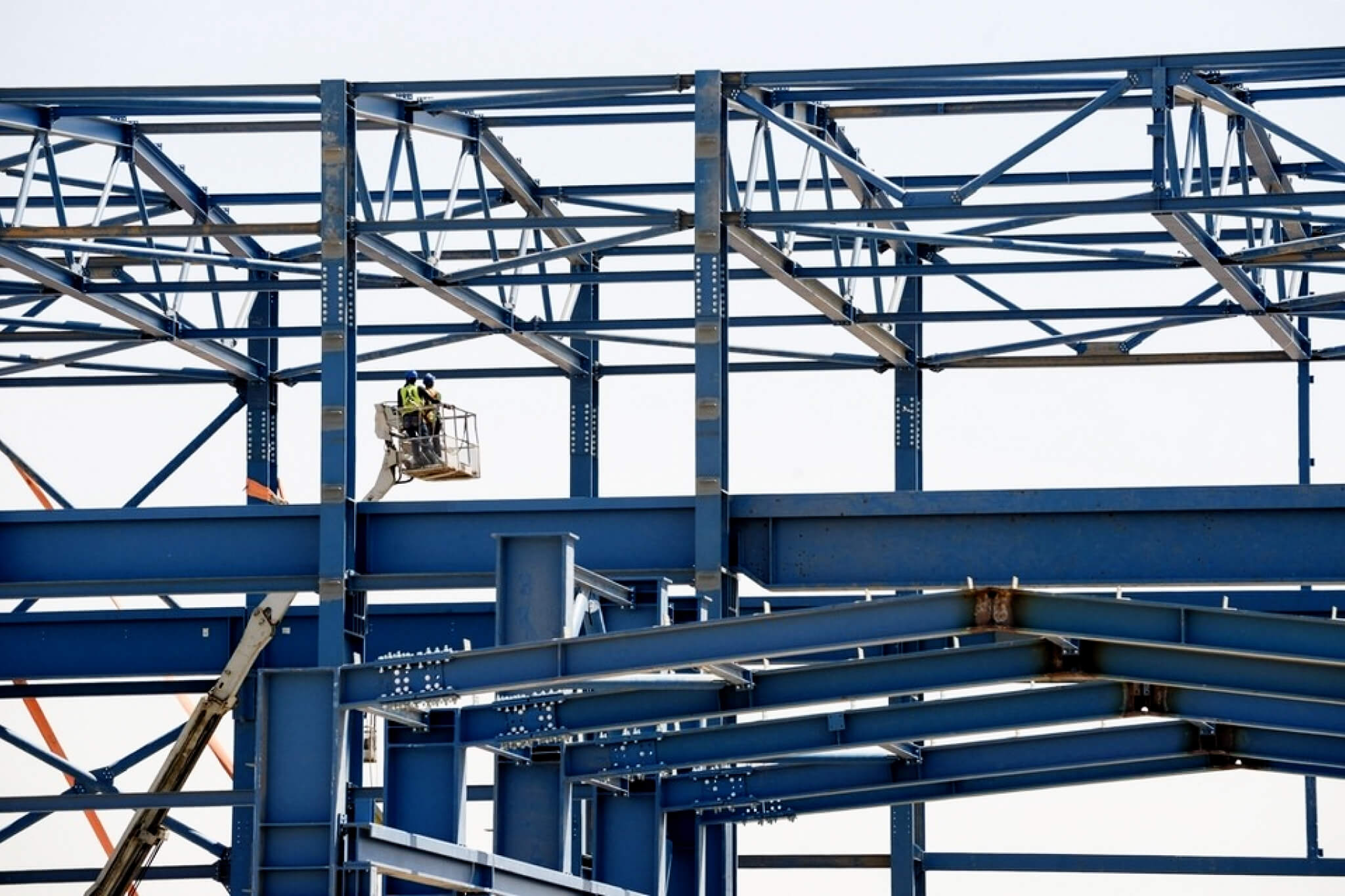
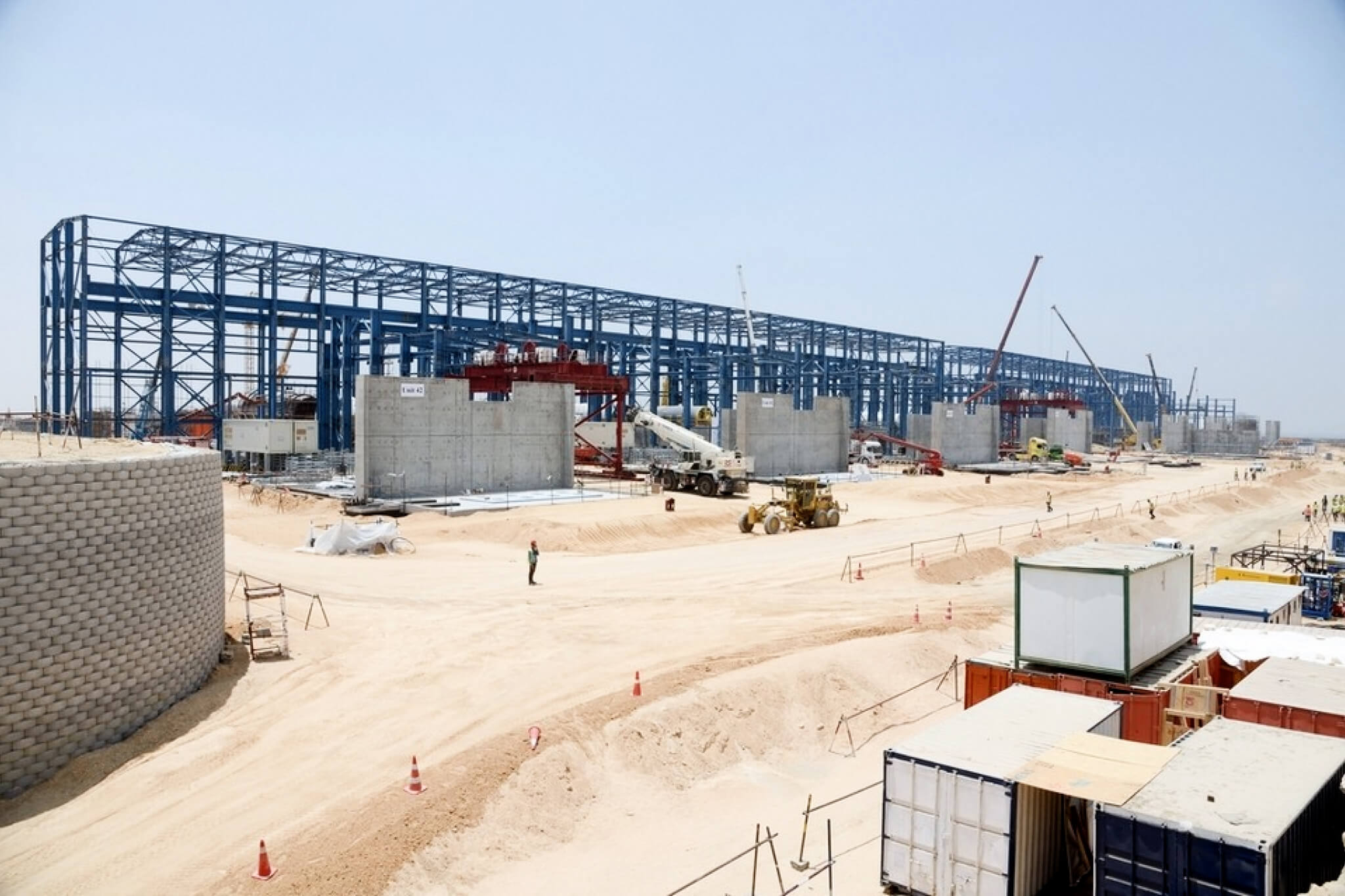
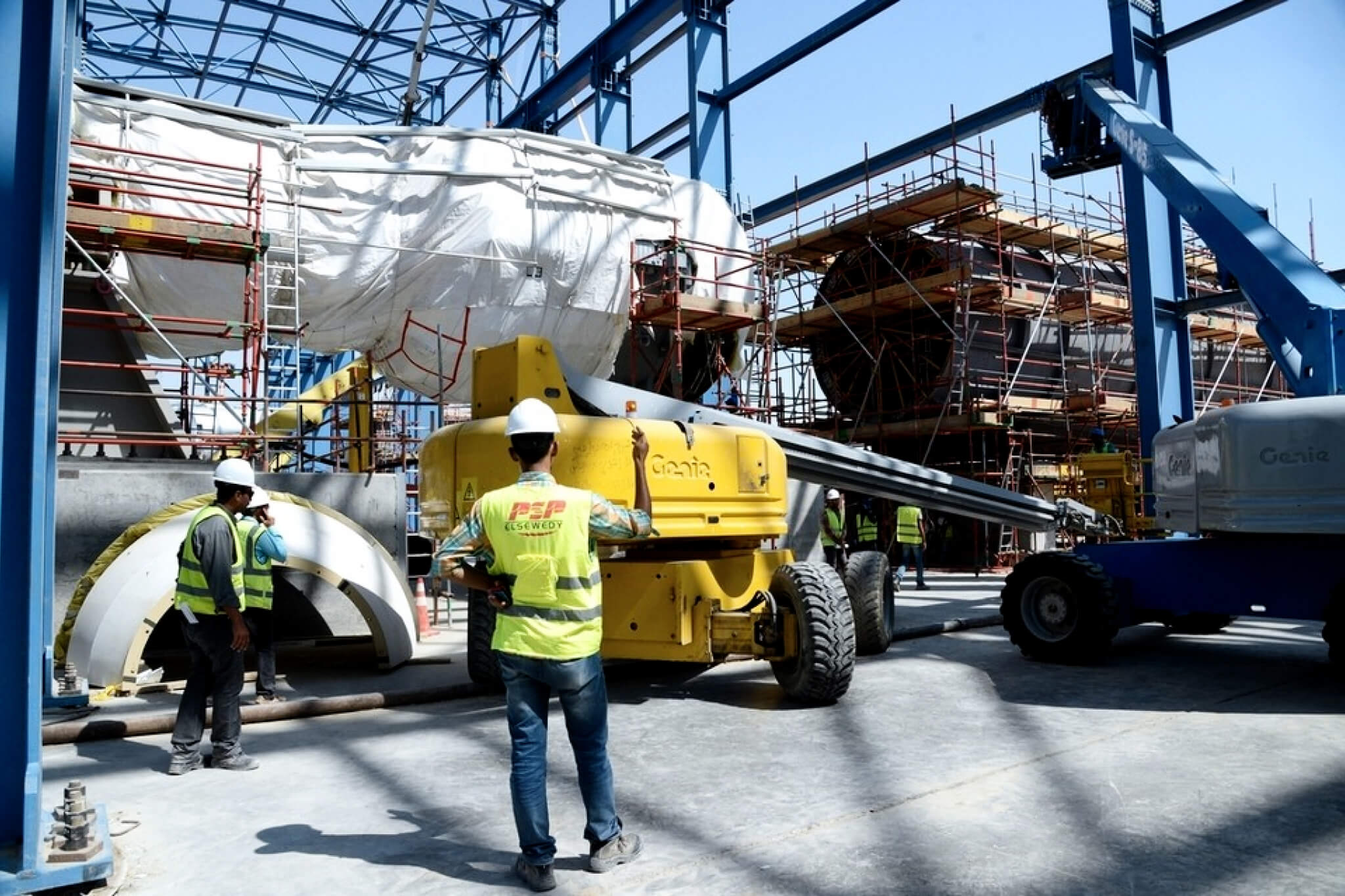
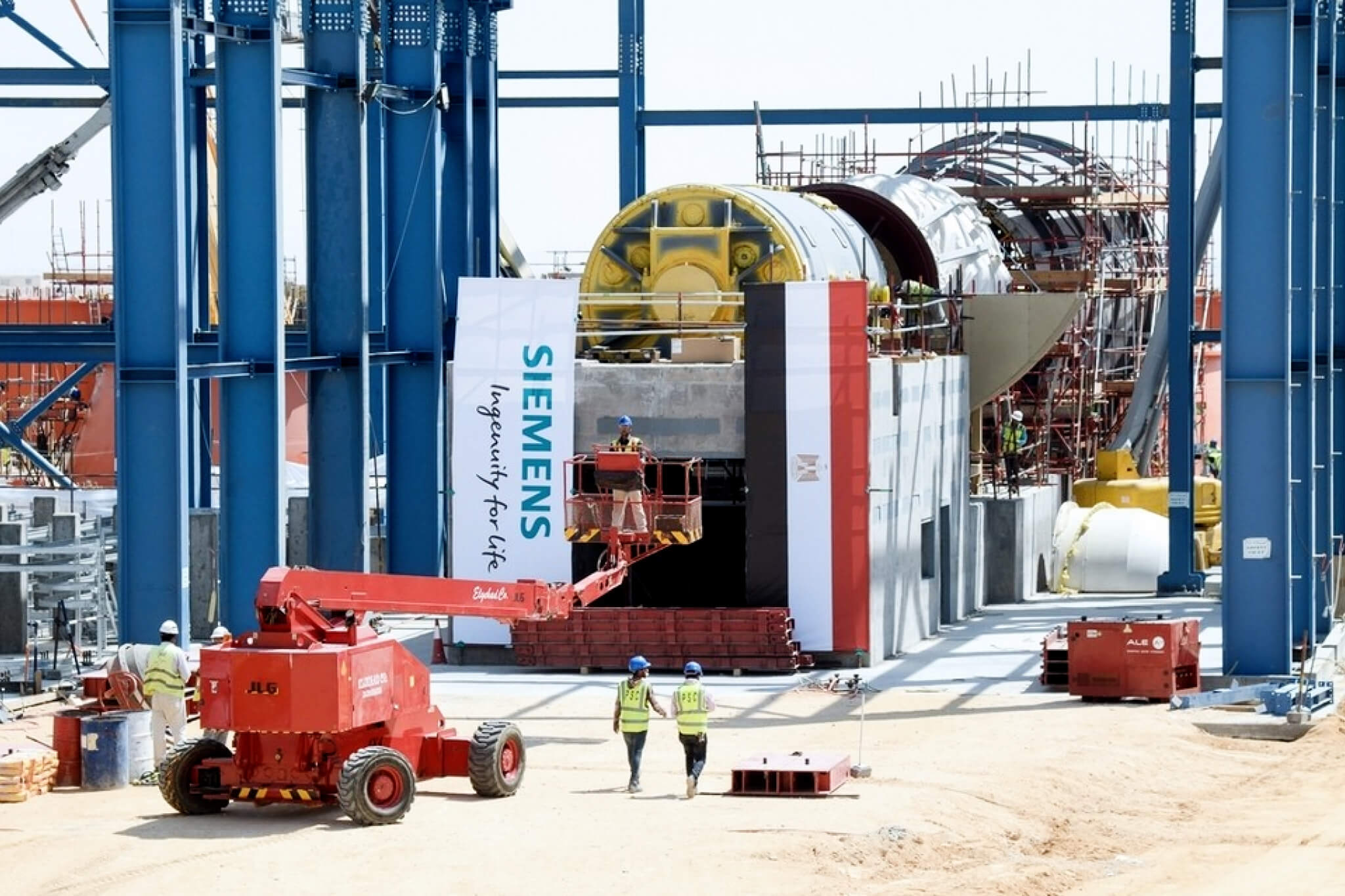
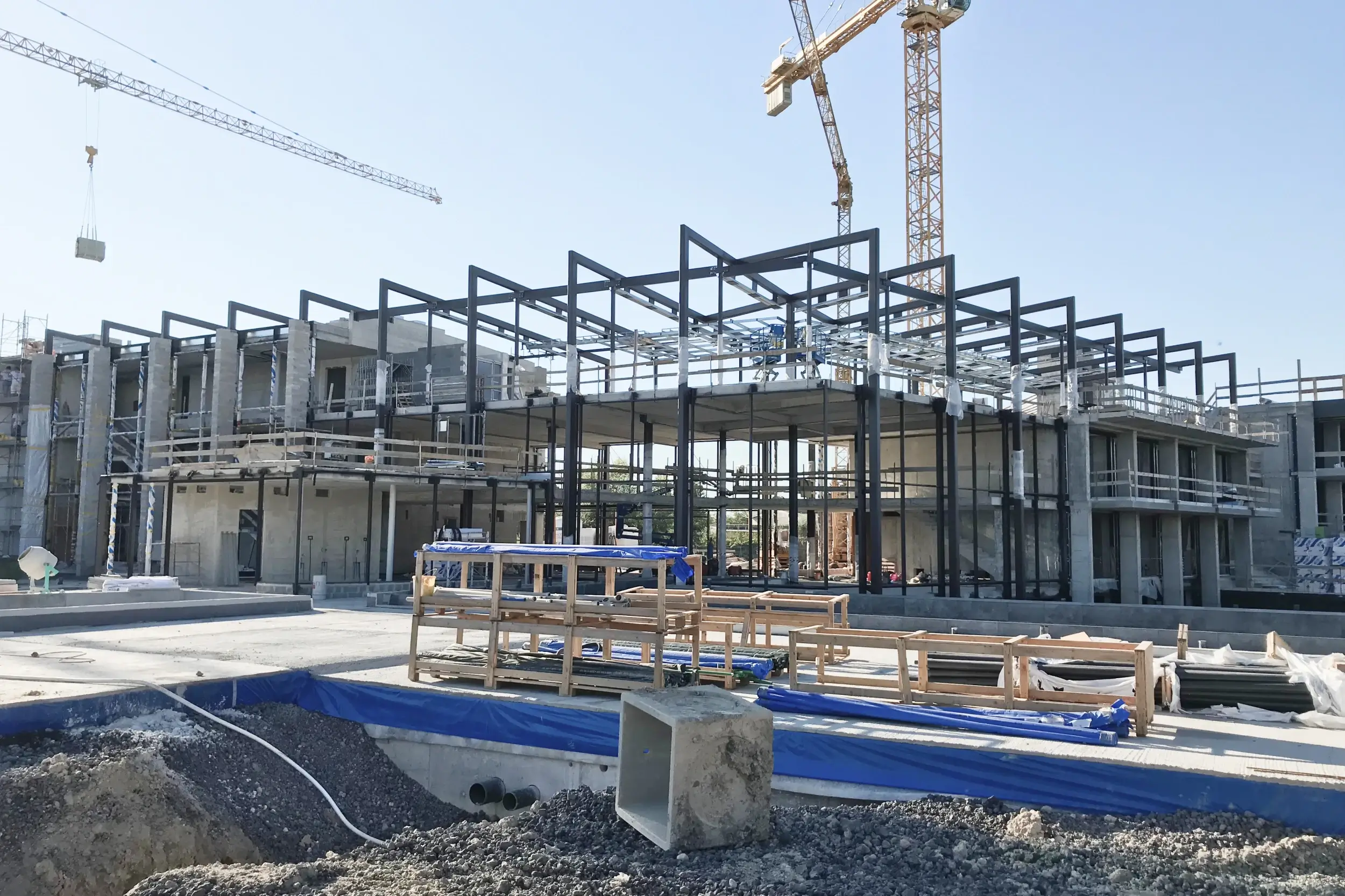
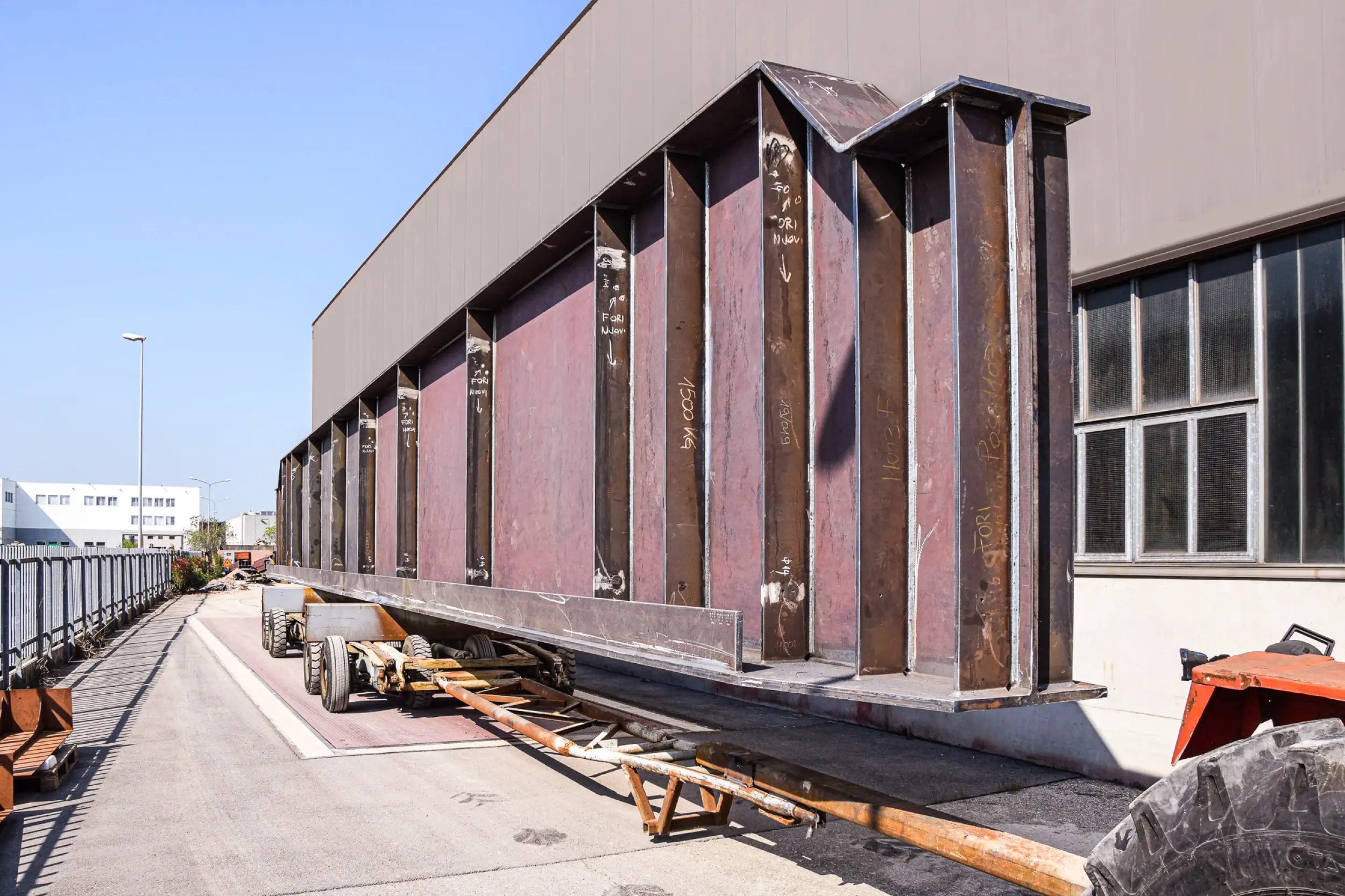
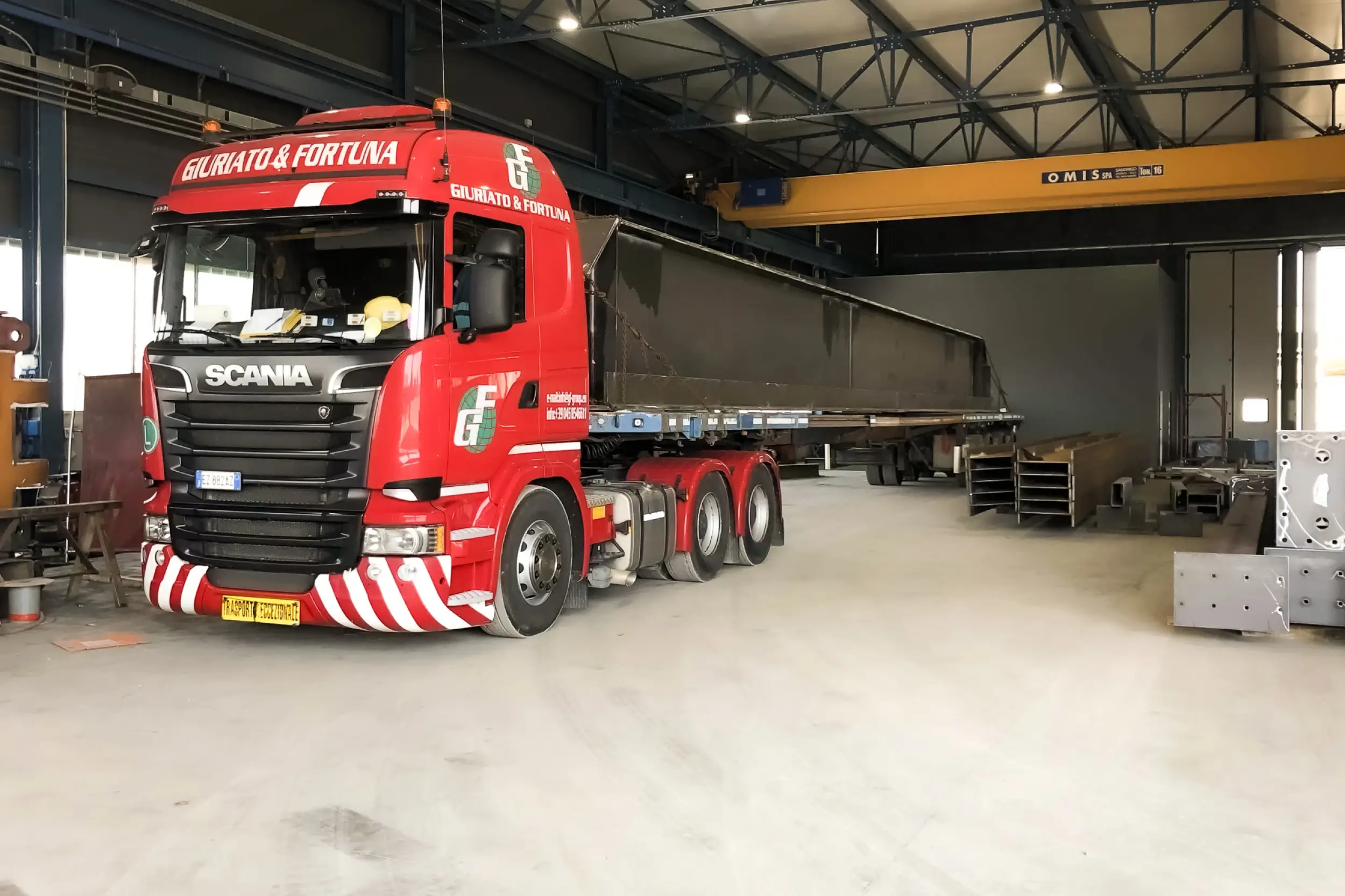
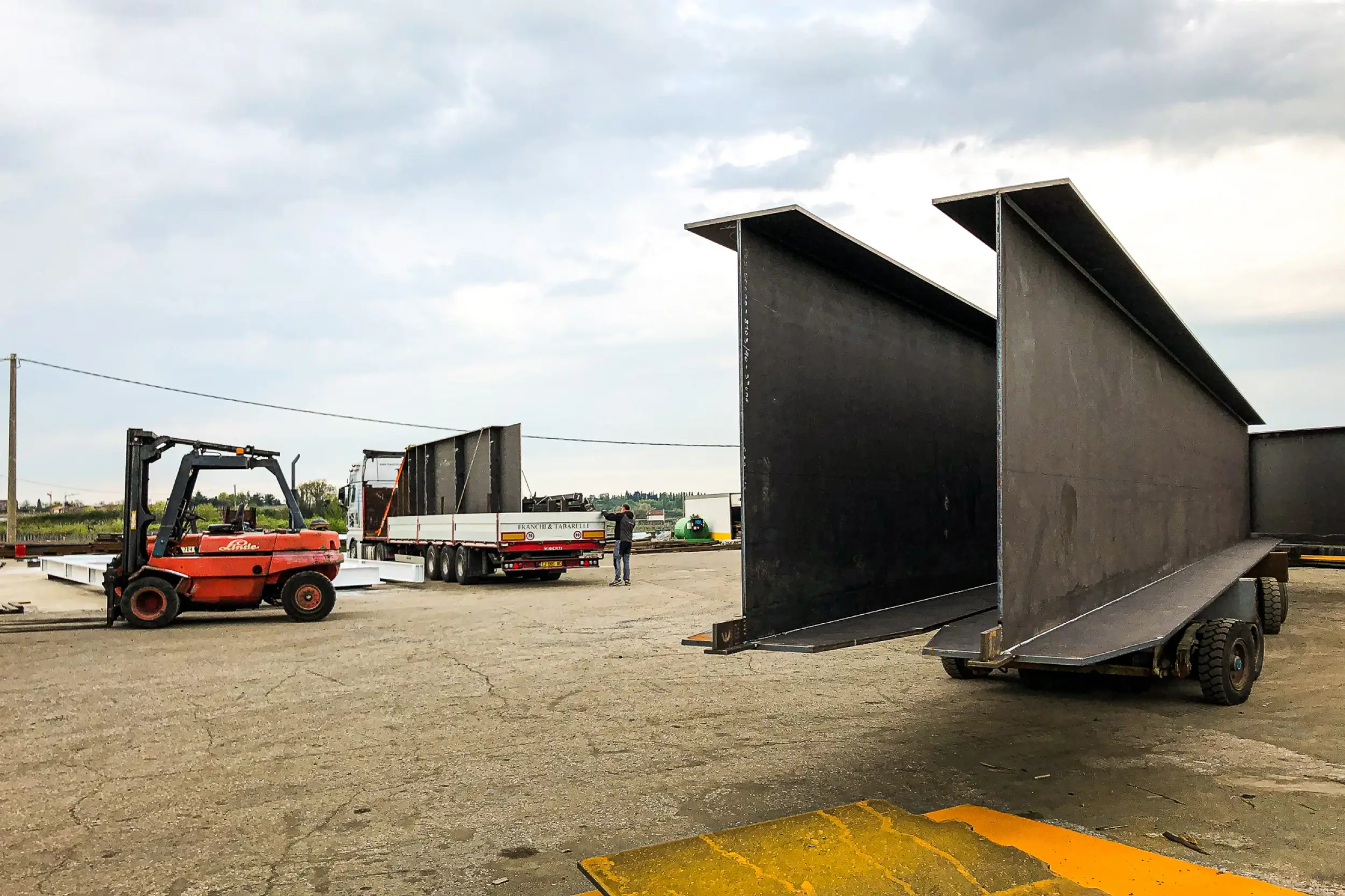
We are a benchmark in the world of welded structures.

why choose us

Our winning formula:
Product quality + Adherence to delivery times

why choose us

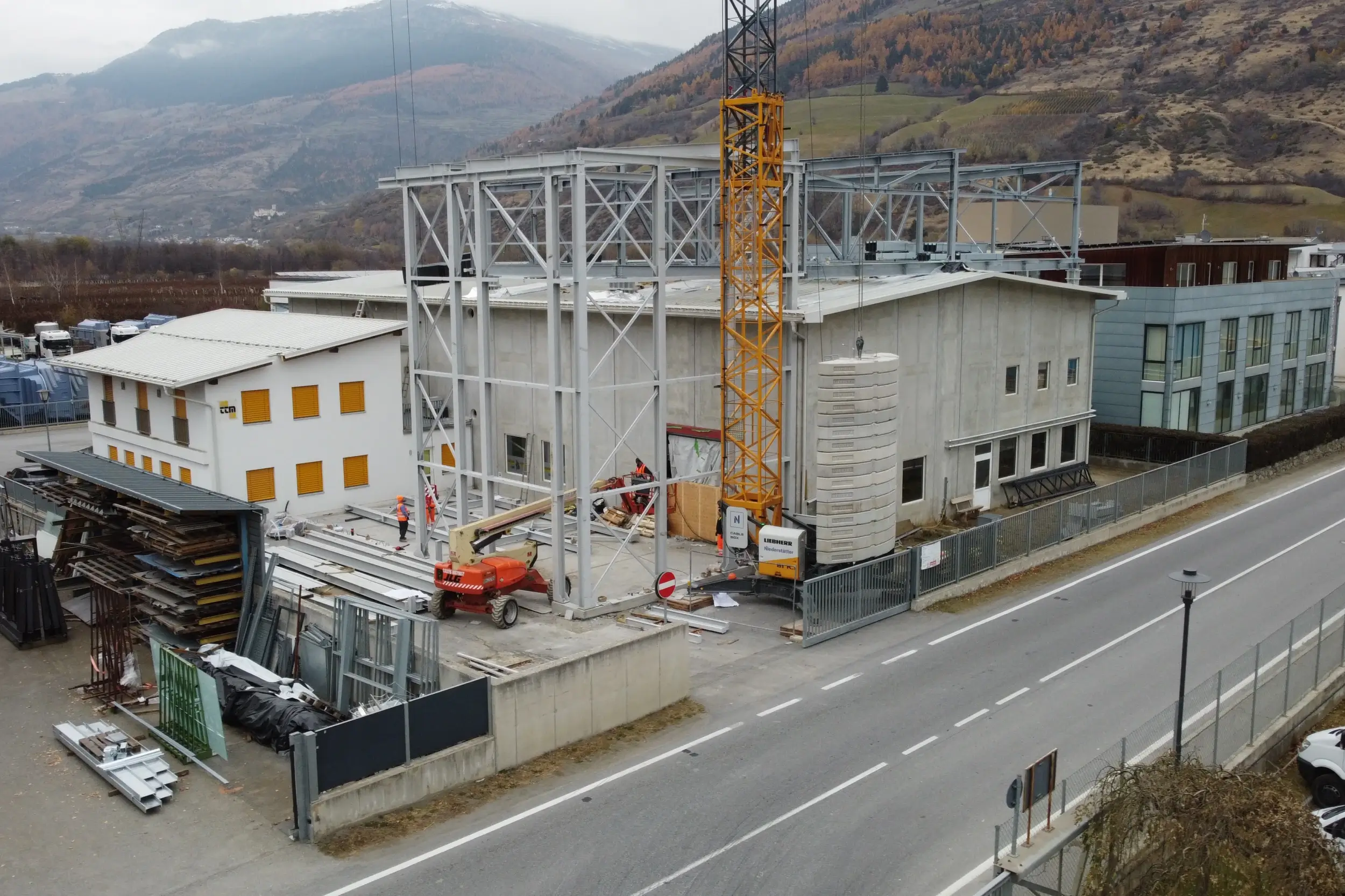
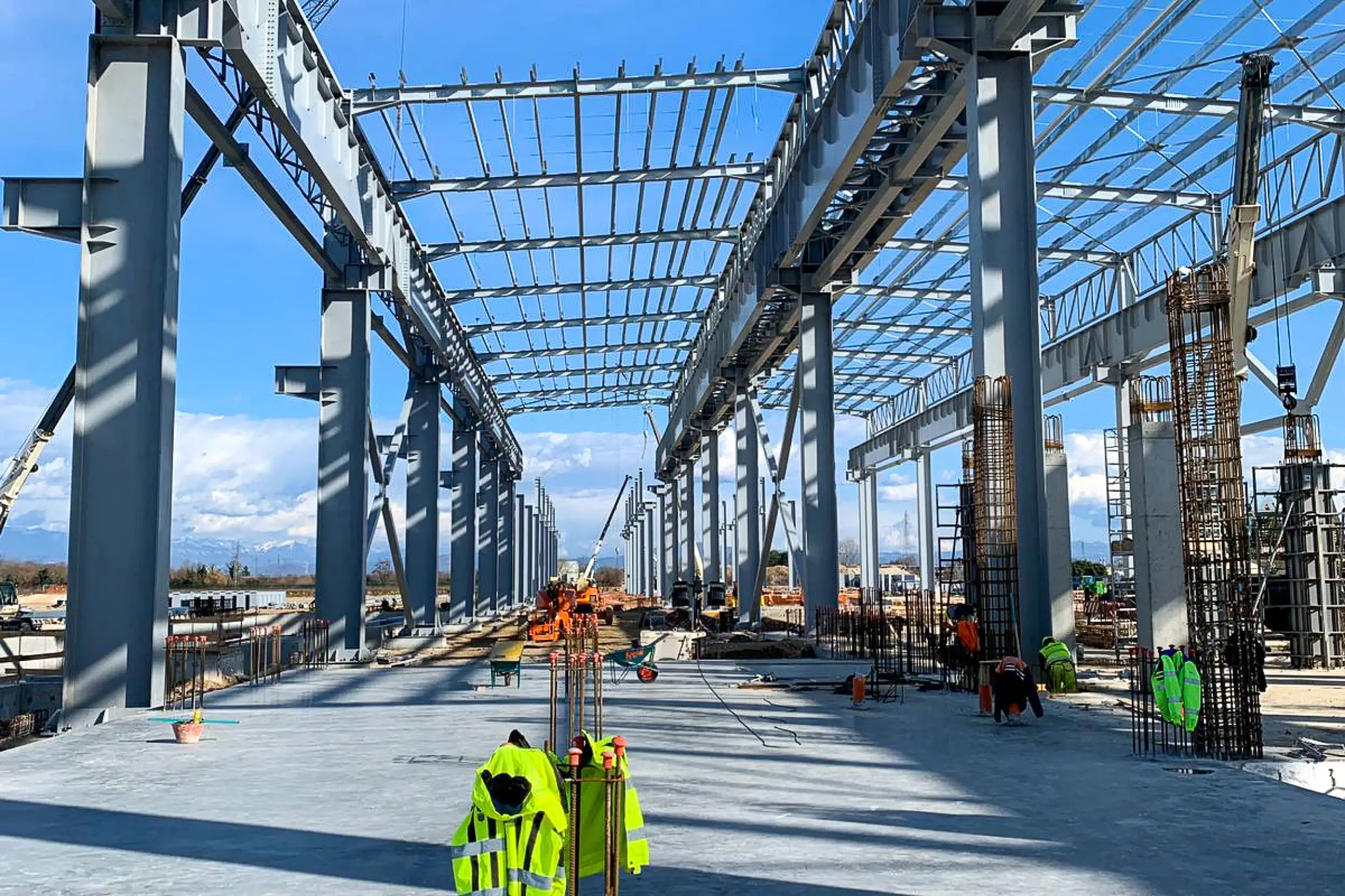
The diversification of projects is the cornerstone of our success: with a solid presence in the industry, we have acquired cross-sectoral expertise in a variety of areas. We embraced complexity, completing projects that are considered out of the ordinary. Our market has become the realm of the exceptional.

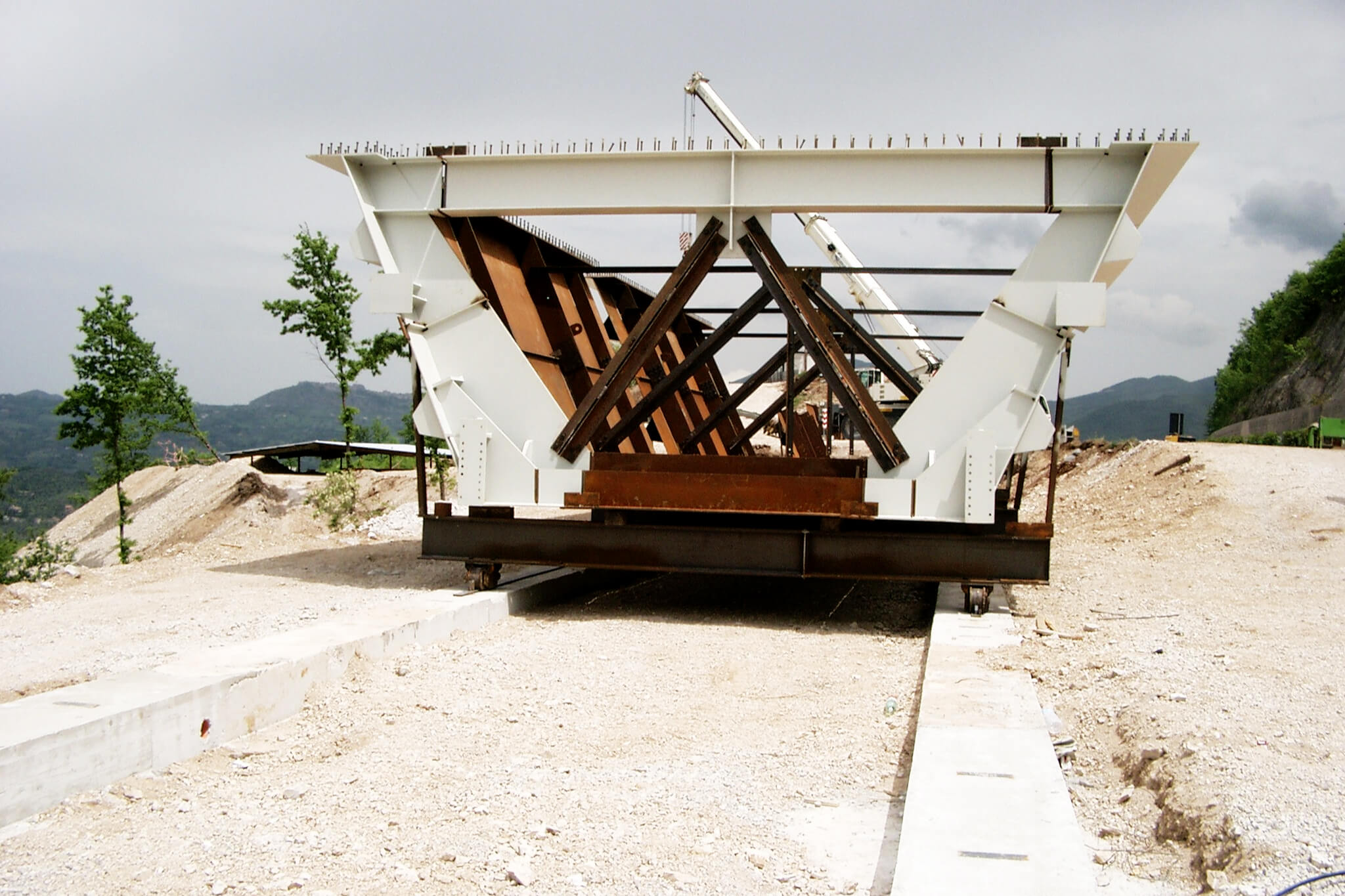
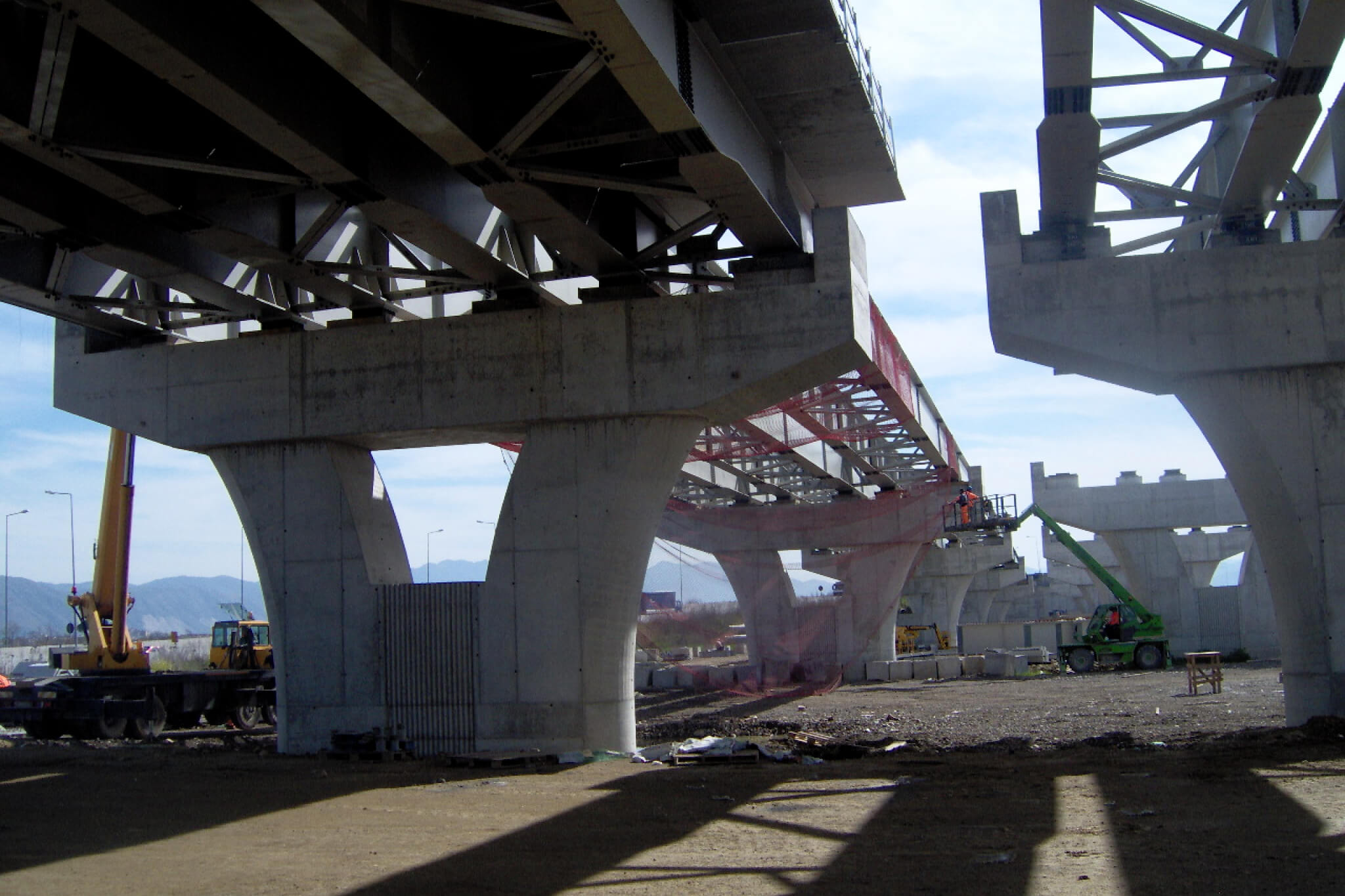
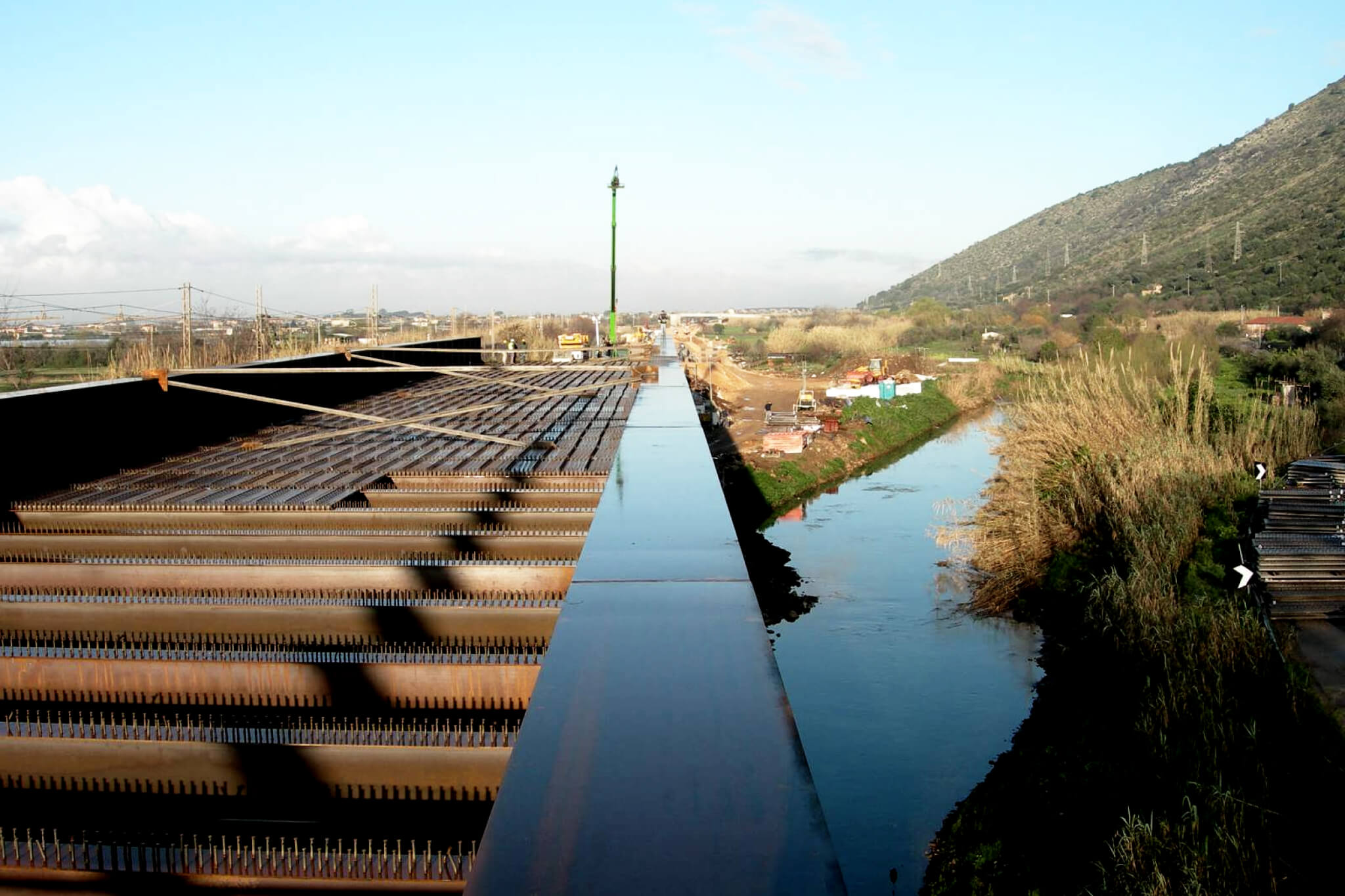
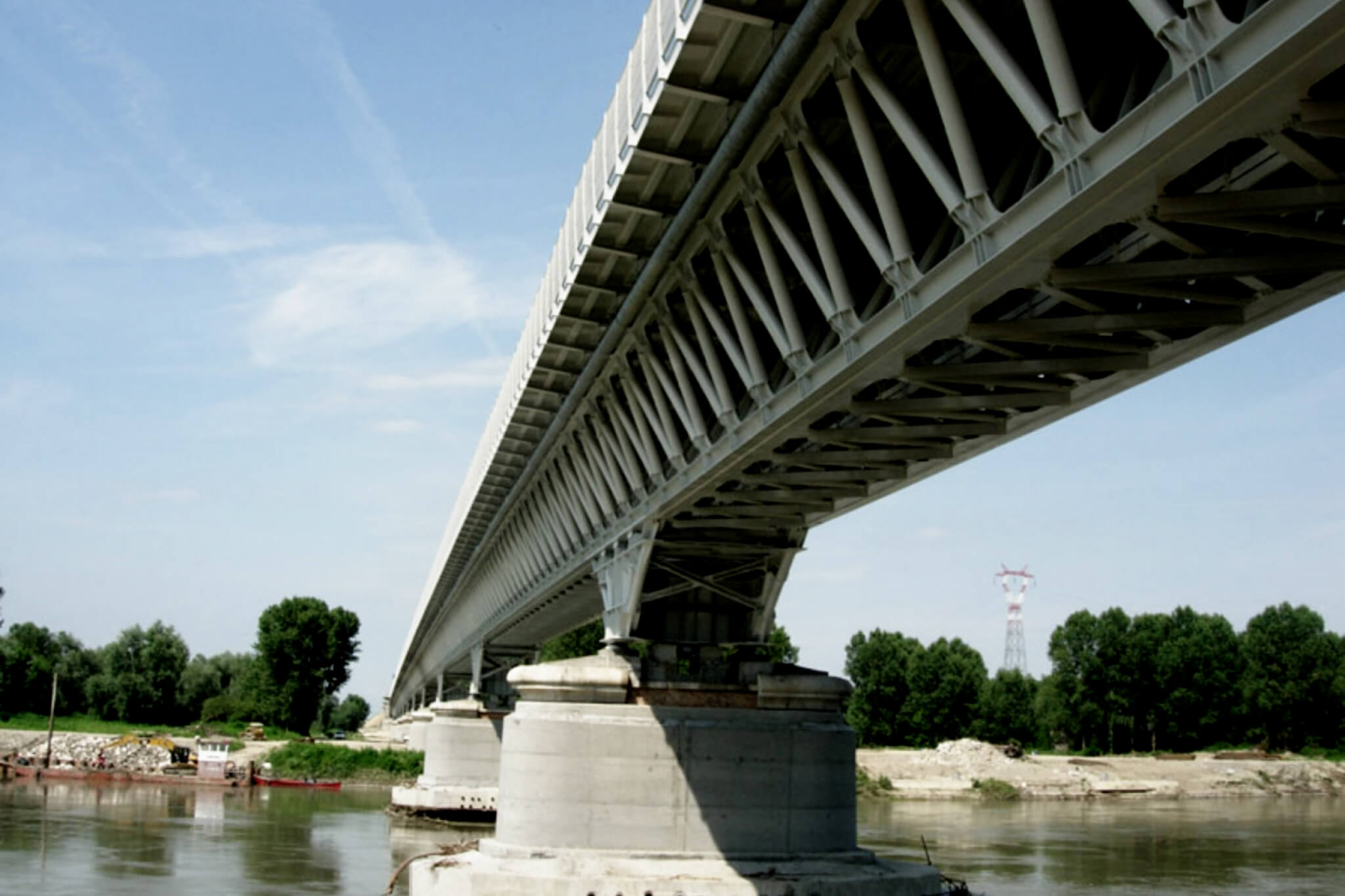
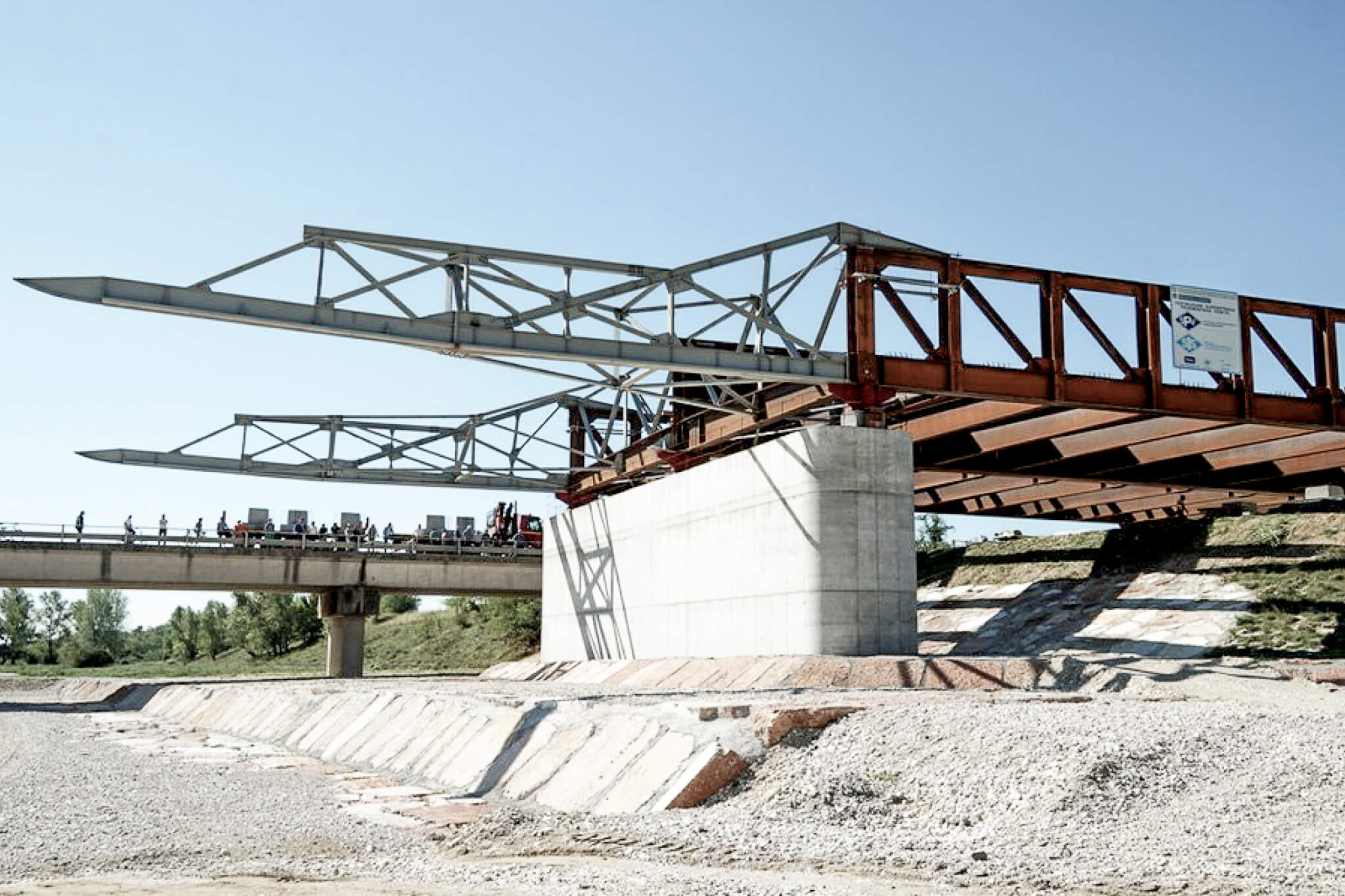
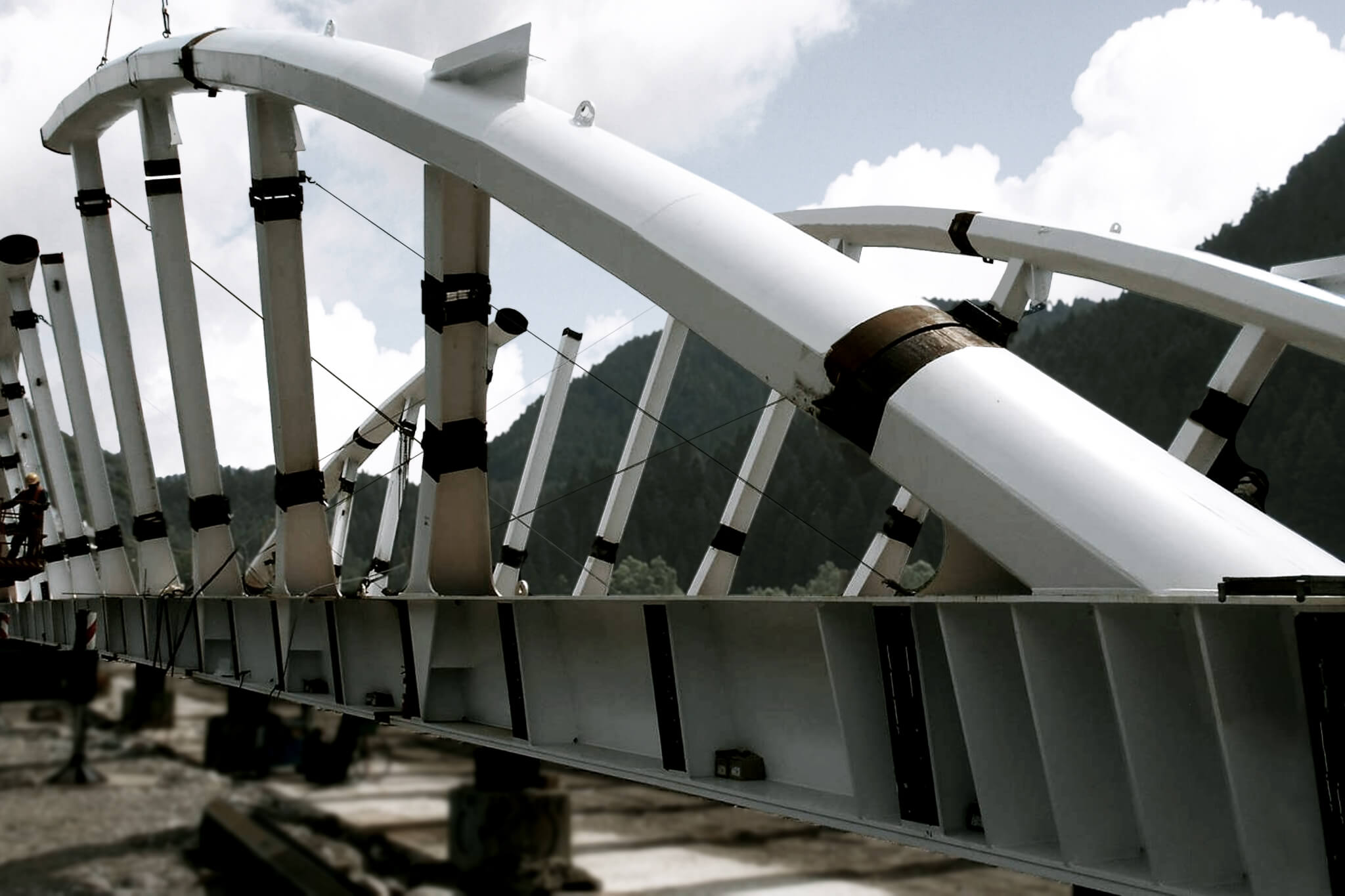
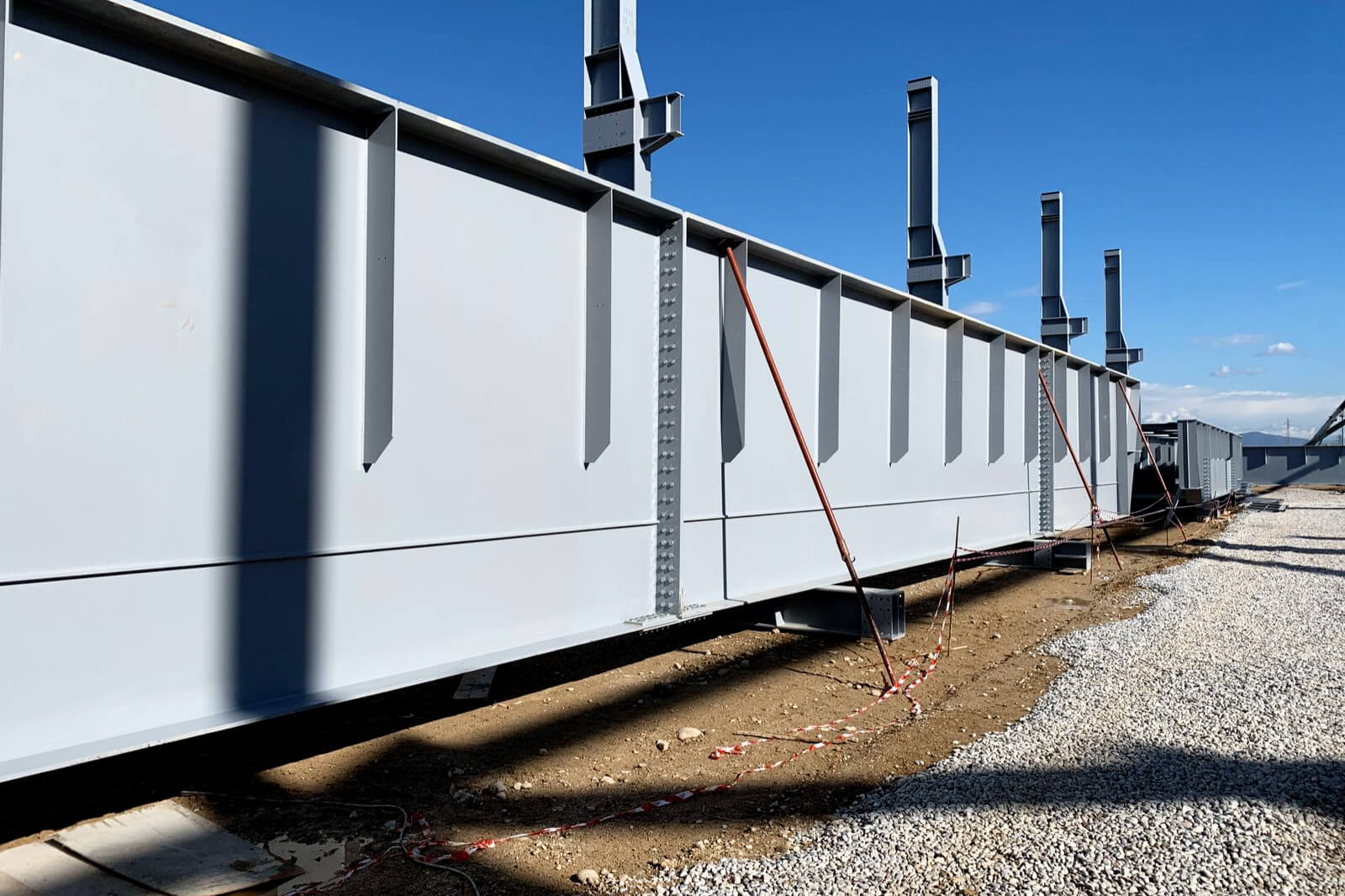
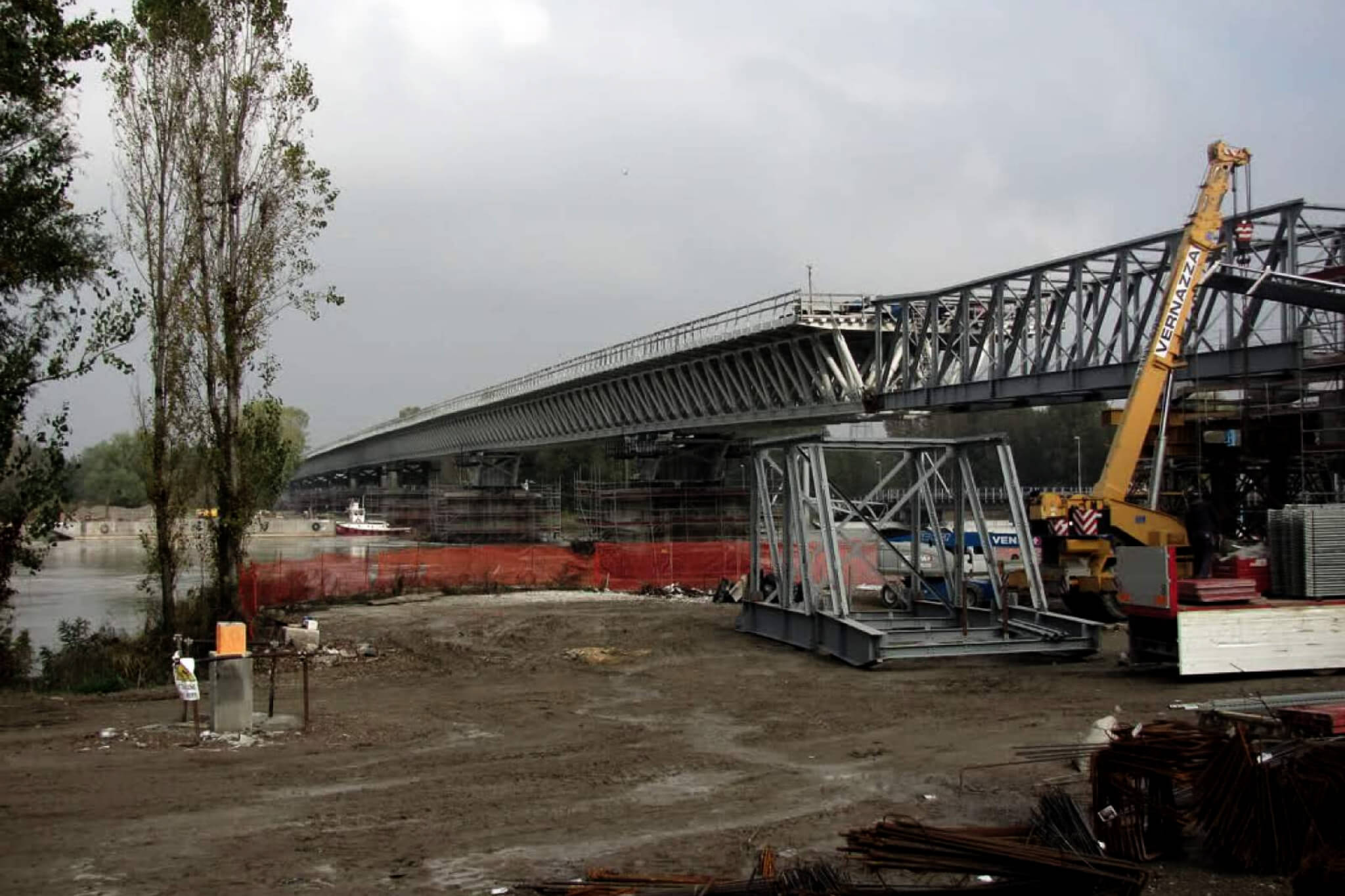
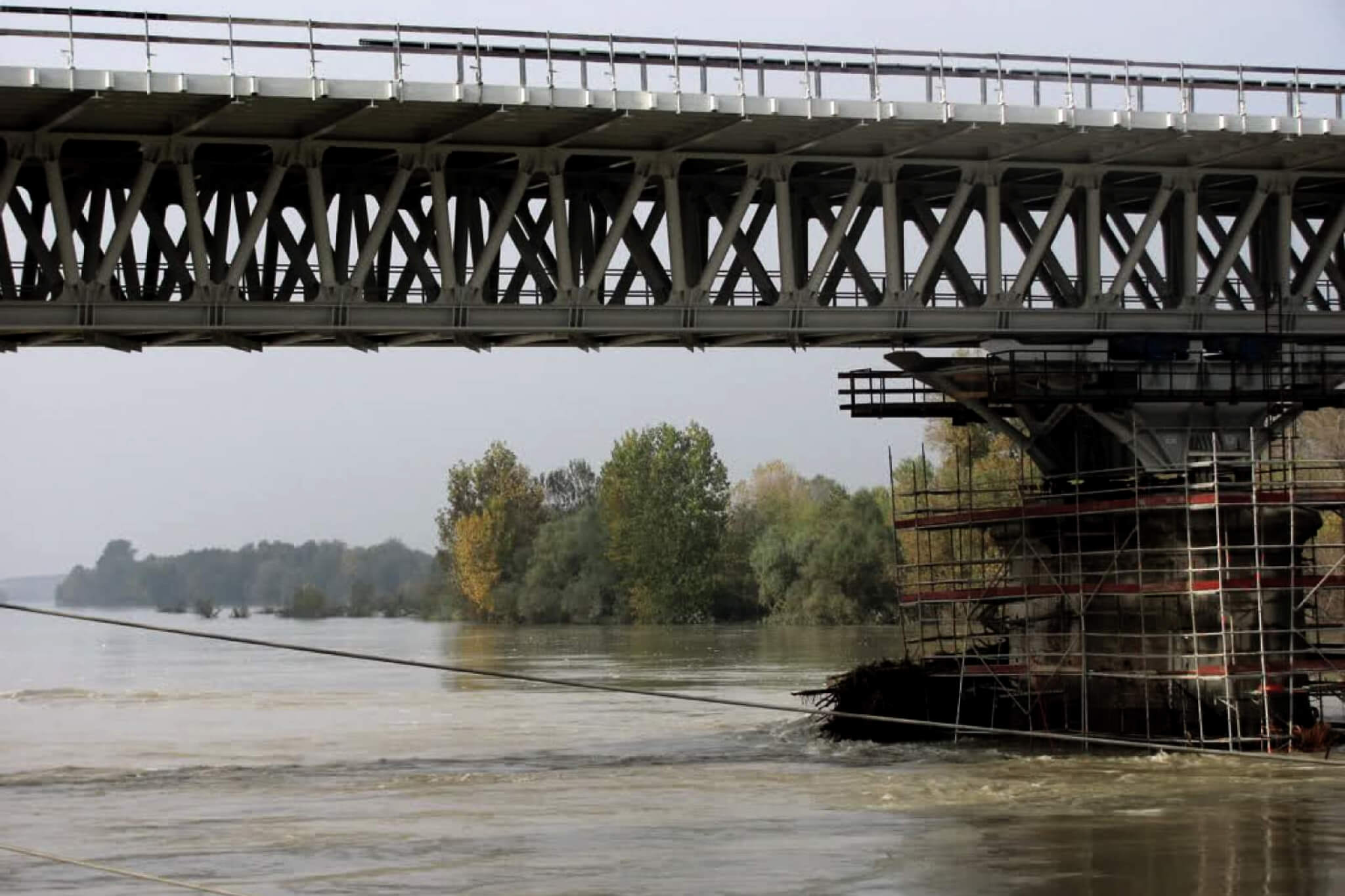
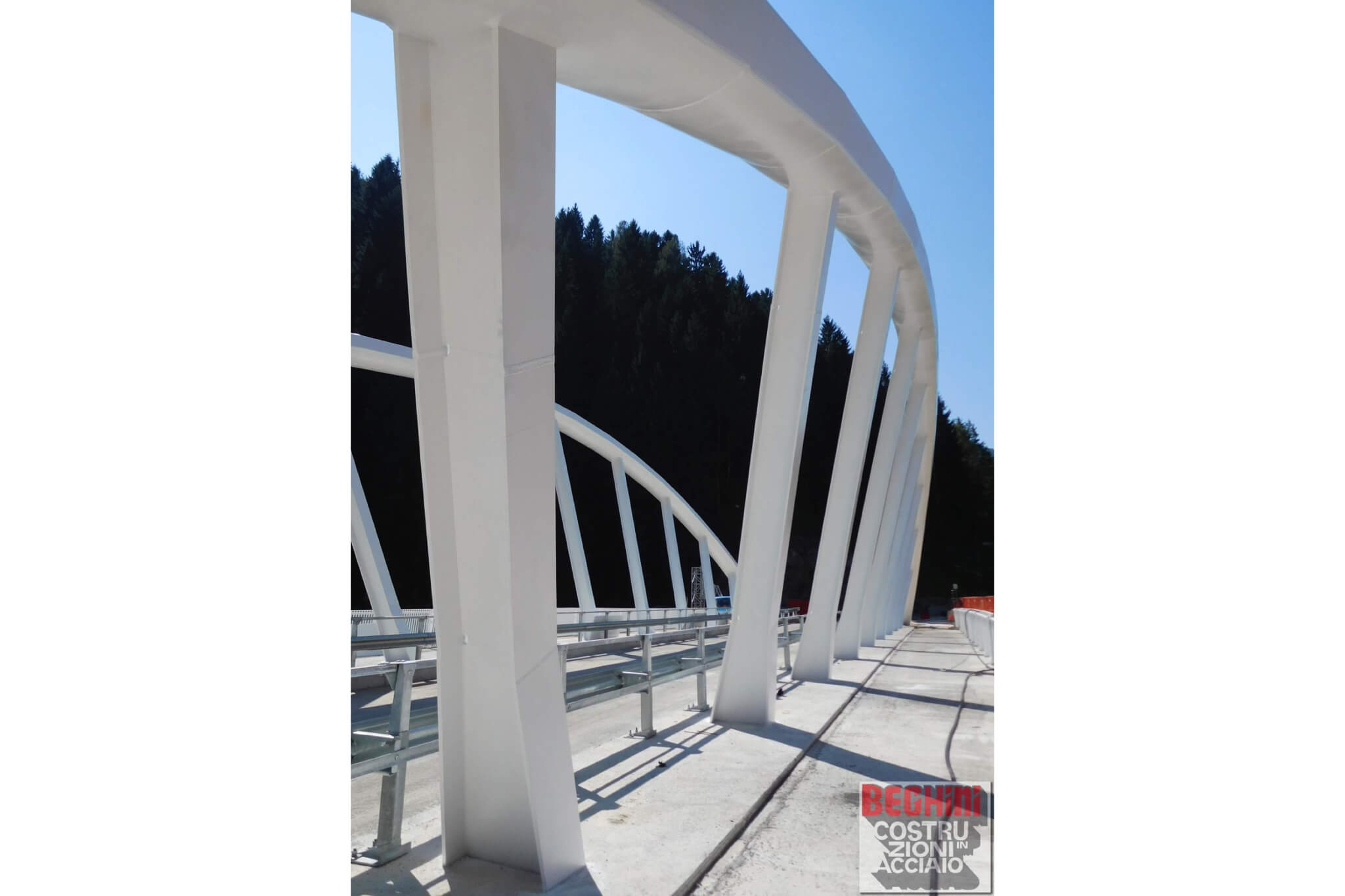
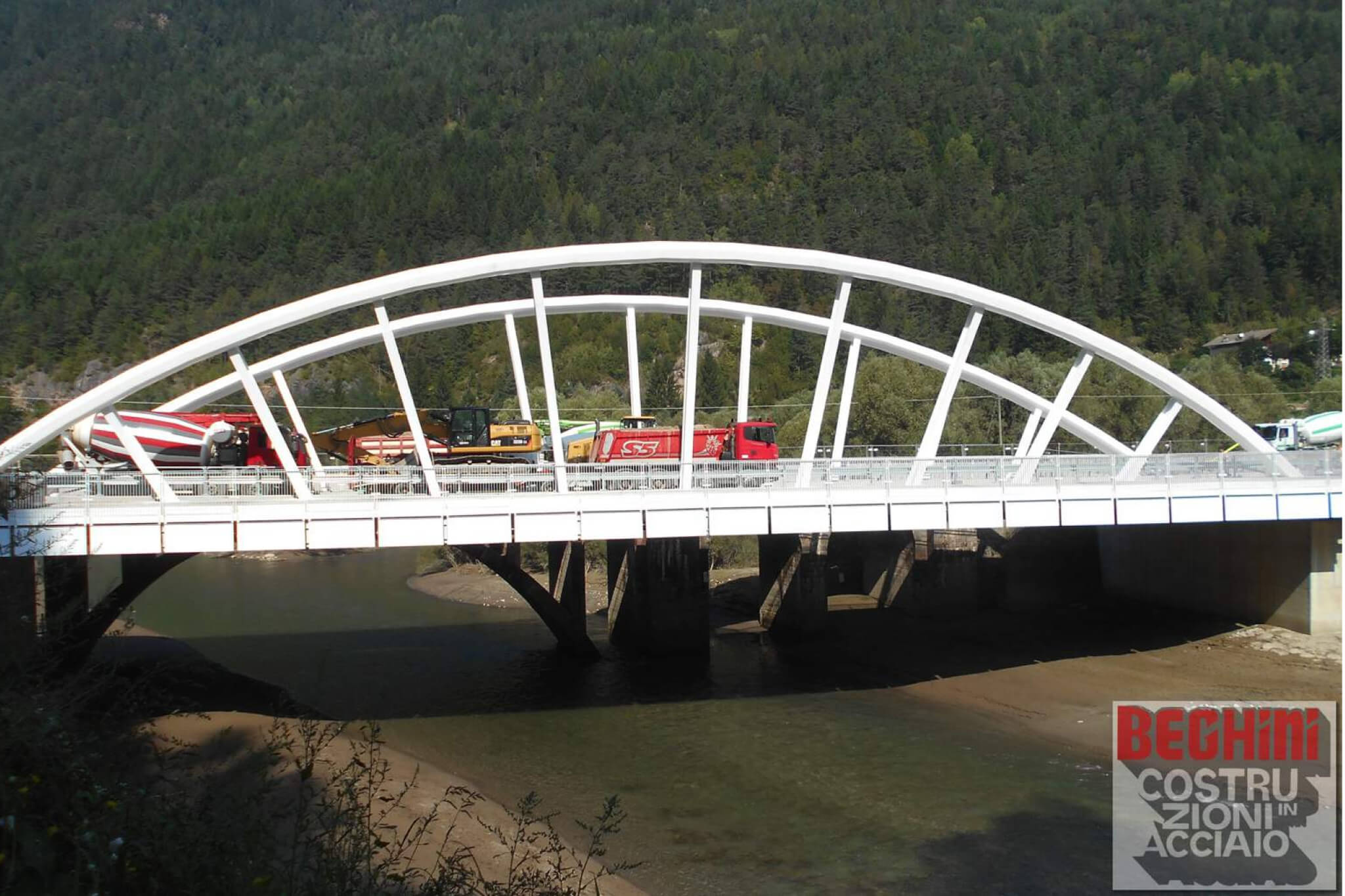
Thanks to our high-level certifications and accumulated know-how, we are now the primary choice for complex steel structures (cert. SOA OS 18-A), with particular emphasis on bridges and viaducts (cert. SOA OG 3).

FAQ

  • What advantages does steel offer compared to reinforced concrete in bridge construction?
    The main advantage is the strength-to-weight ratio, which is significantly higher: for the same span, a steel deck is lighter, reducing the loads on piers and foundations — often a decisive factor in replacement projects, where existing substructures need to be reused — and lowering the seismic masses involved.

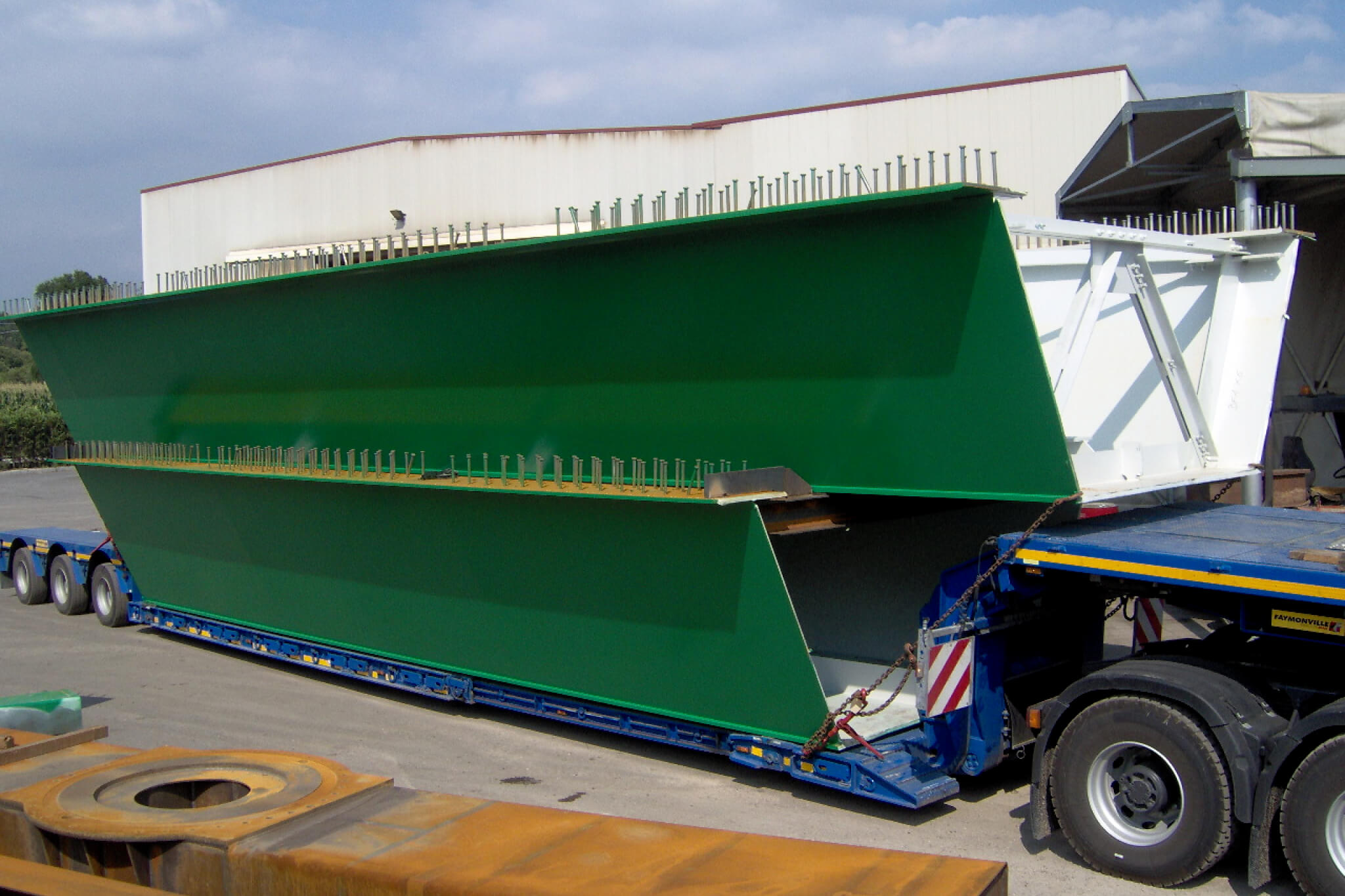
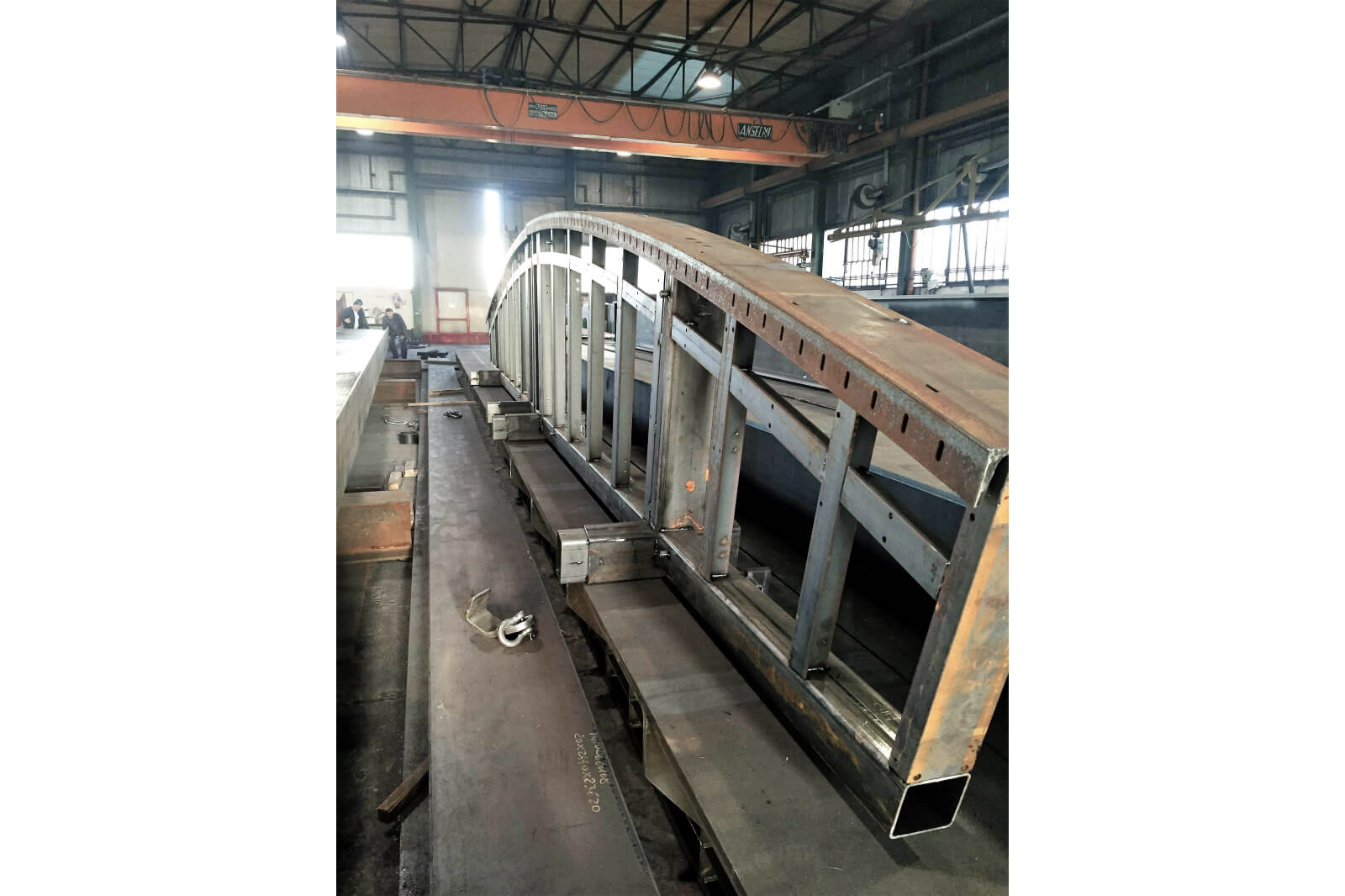
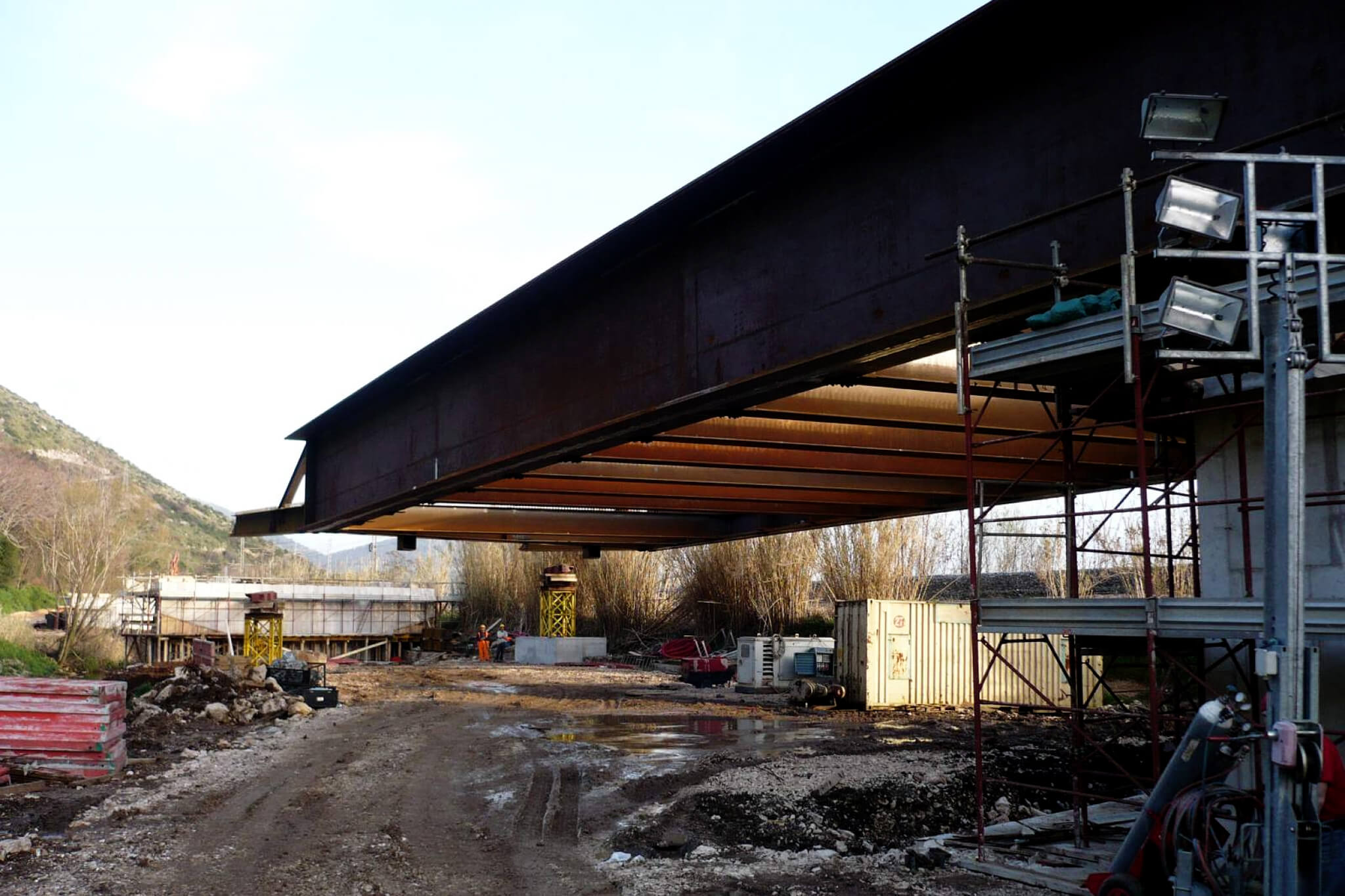
    The second advantage is related to the construction process: prefabrication in the workshop moves most of the fabrication into a controlled environment, reducing construction time and therefore disruption to traffic. At the end of its service life, steel is fully recyclable, with actual recovery rates of around 90% for construction structures.

    Steel does, however, require a long-term corrosion protection strategy and is more sensitive to fatigue phenomena. The choice between steel and reinforced concrete depends on the span, site constraints, environmental aggressiveness and the planned maintenance strategy.
  • What protective treatments do you apply against corrosion?
    The protective coating system is defined based on the environmental corrosivity category of the site according to UNI EN ISO 12944-2, which classifies atmospheric environments from C1 (heated indoor environments) to C5 (severe industrial and marine environments), up to CX (offshore and tropical environments with high salinity), as well as classes Im1–Im4 for immersed structures.

    Based on the category and the required durability — which UNI EN ISO 12944-1 classifies up to the "very high" category, corresponding to more than 25 years before the first maintenance intervention — we apply:
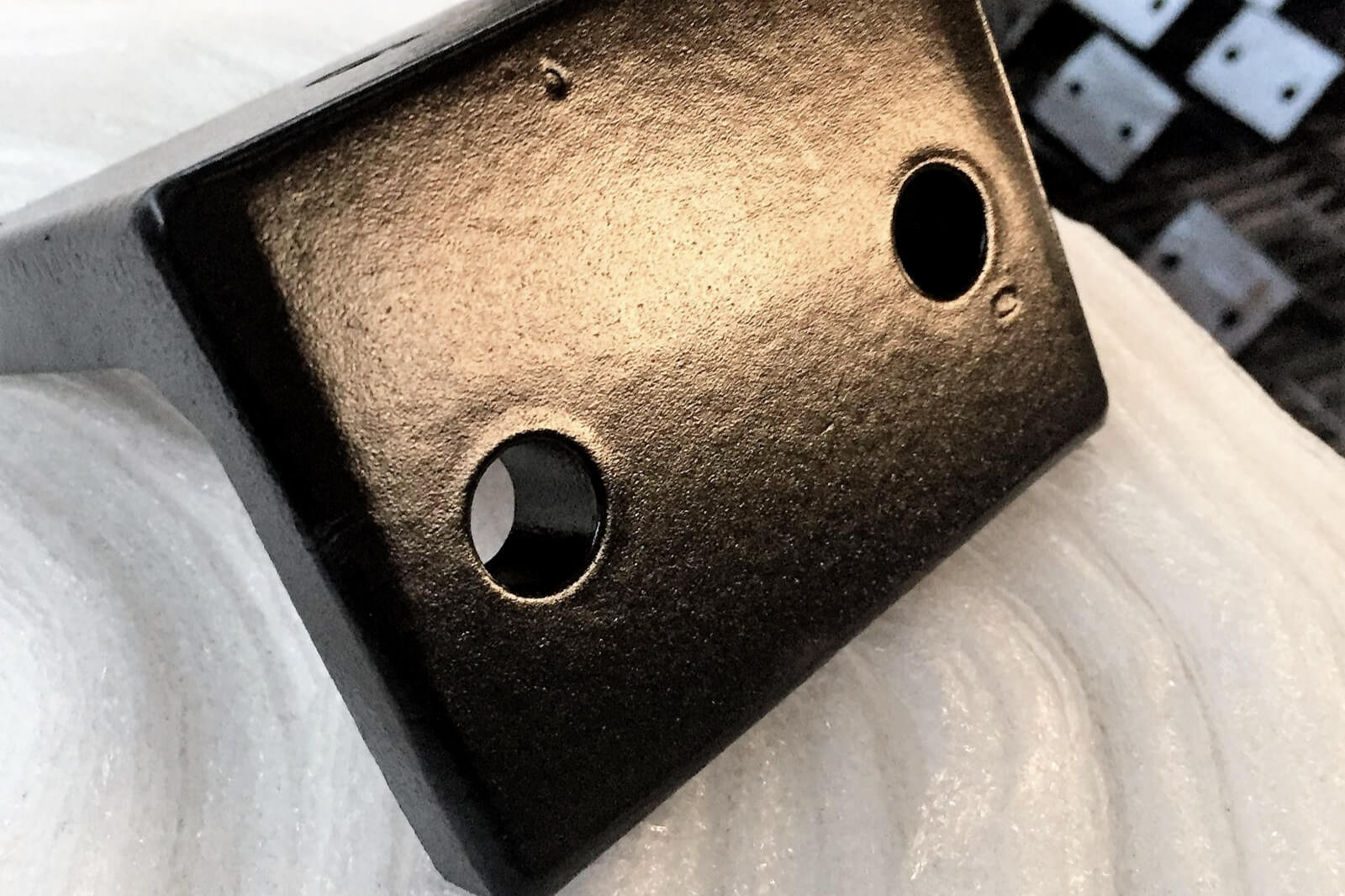
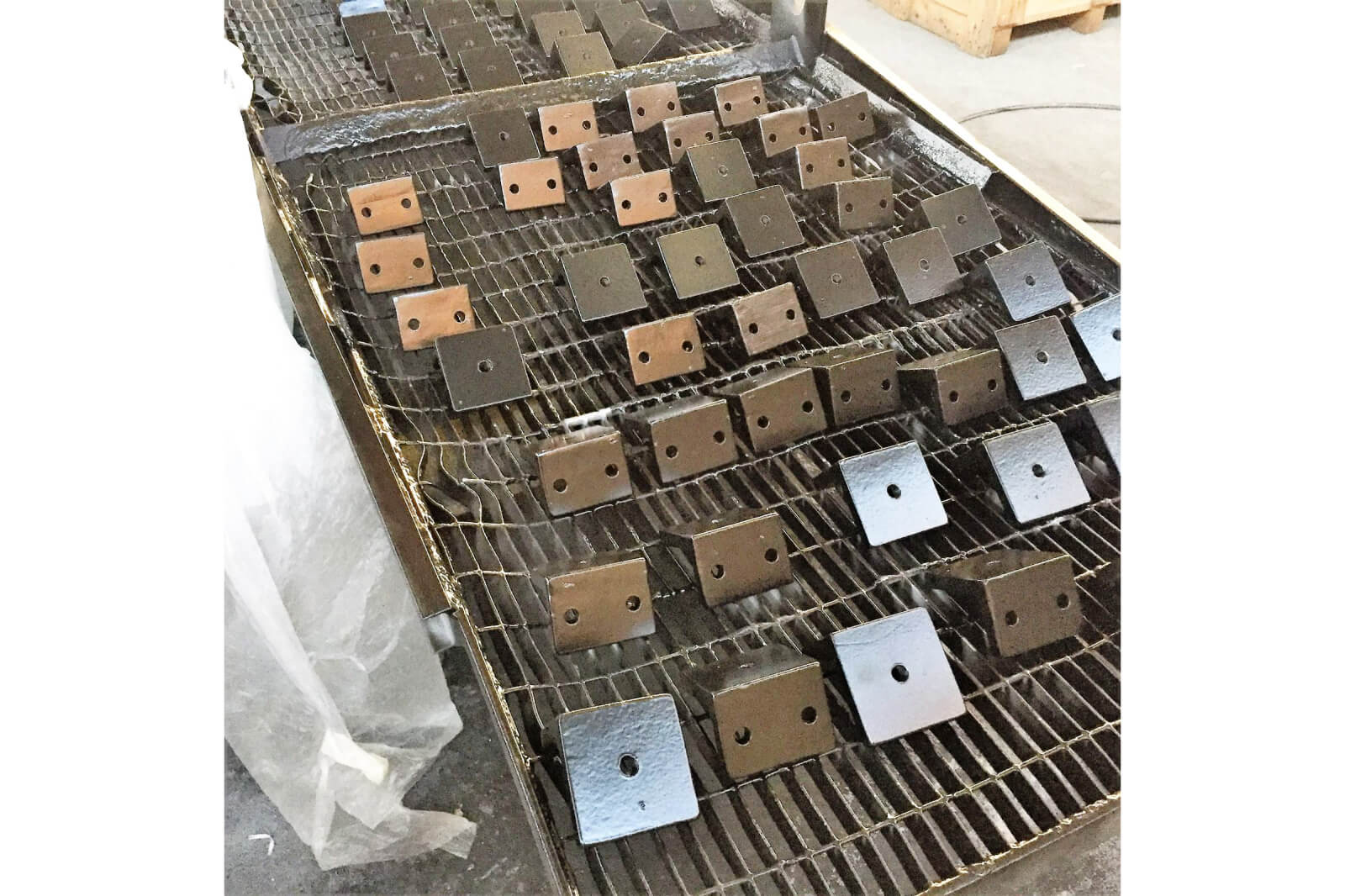
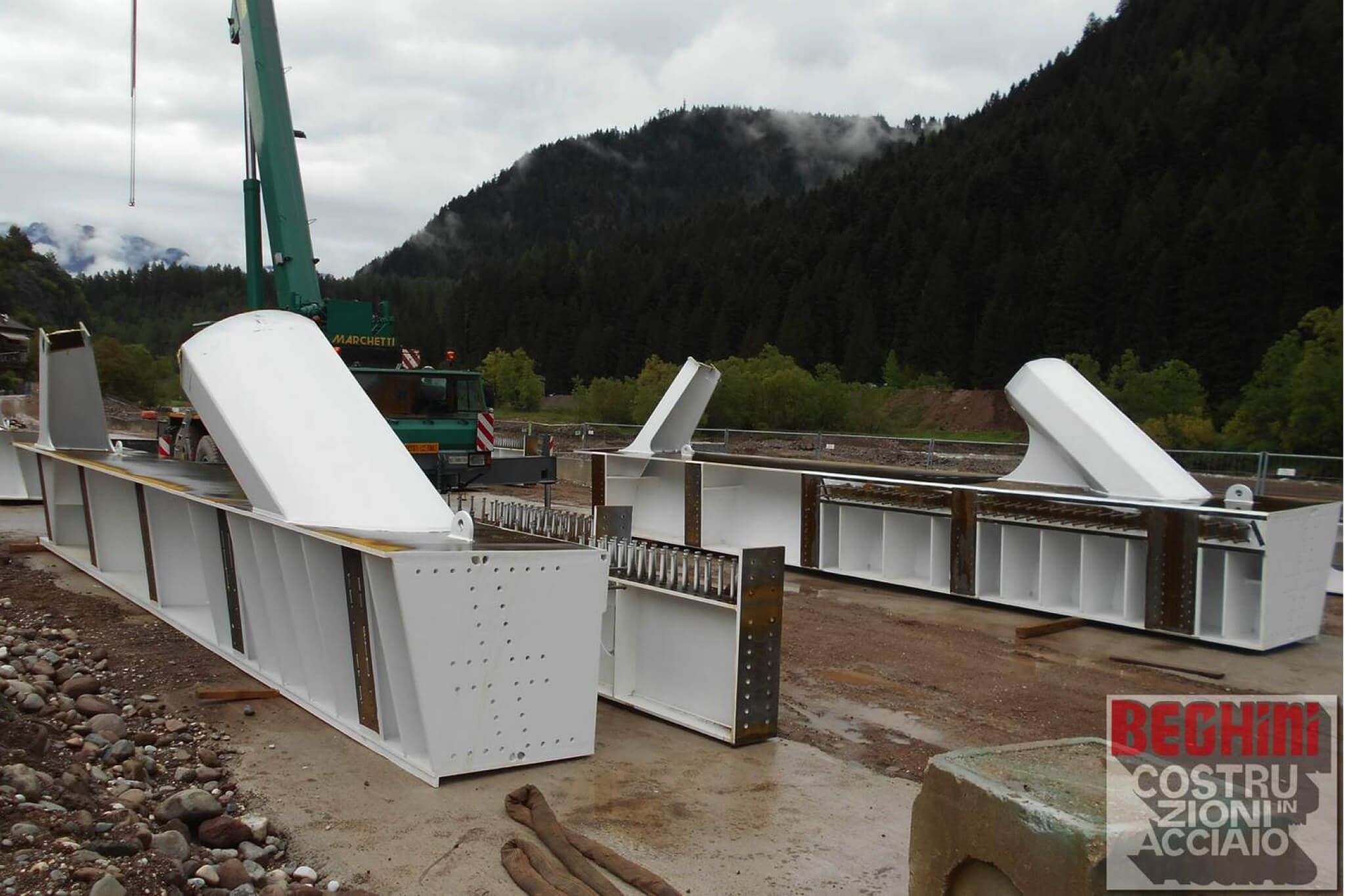
    • multilayer coating systems in accordance with UNI EN ISO 12944-5, applied in an enclosed paint booth, with surface preparation to Sa 2½, zinc-based primer, epoxy intermediate coats and polyurethane topcoats;
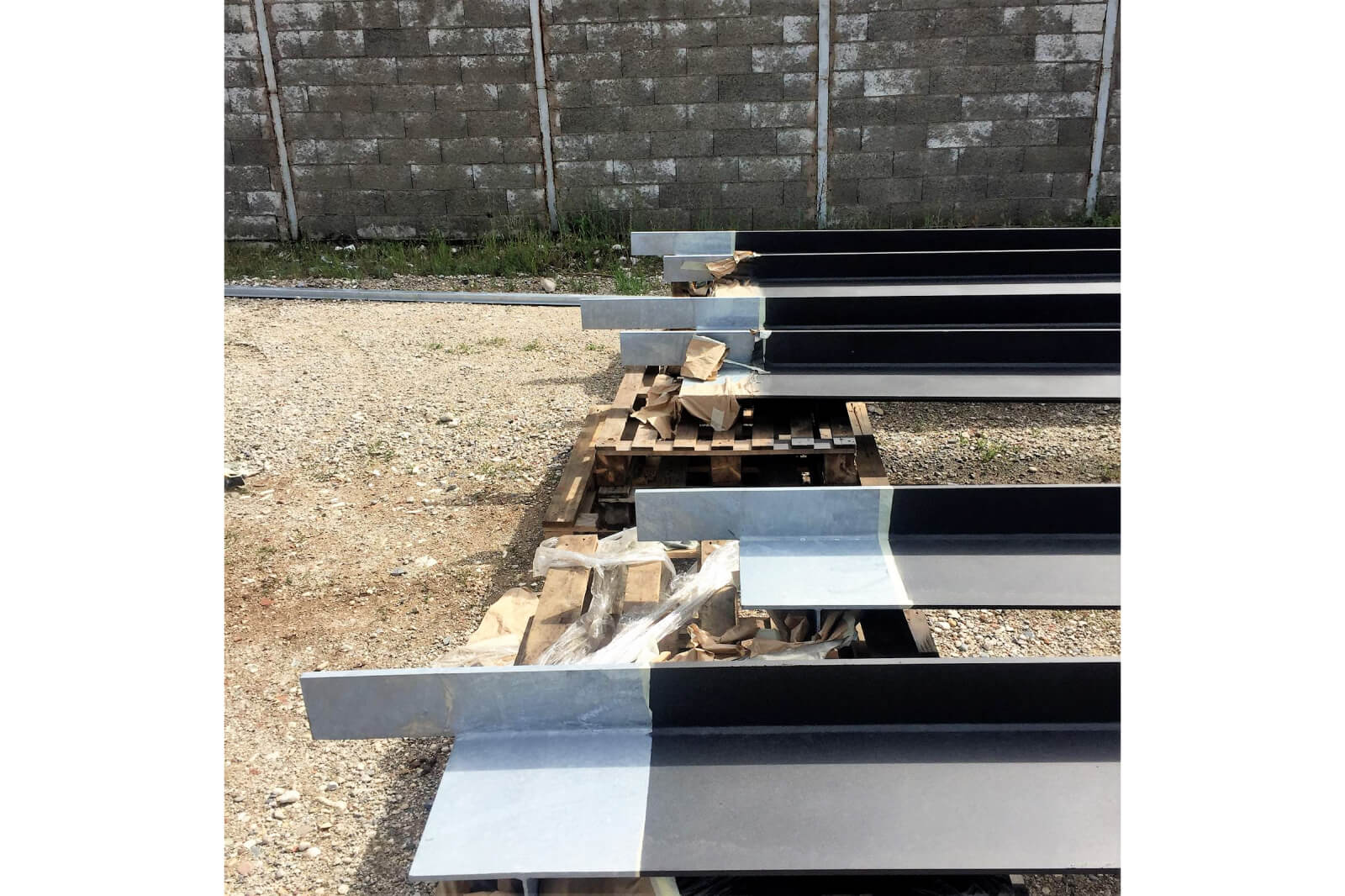
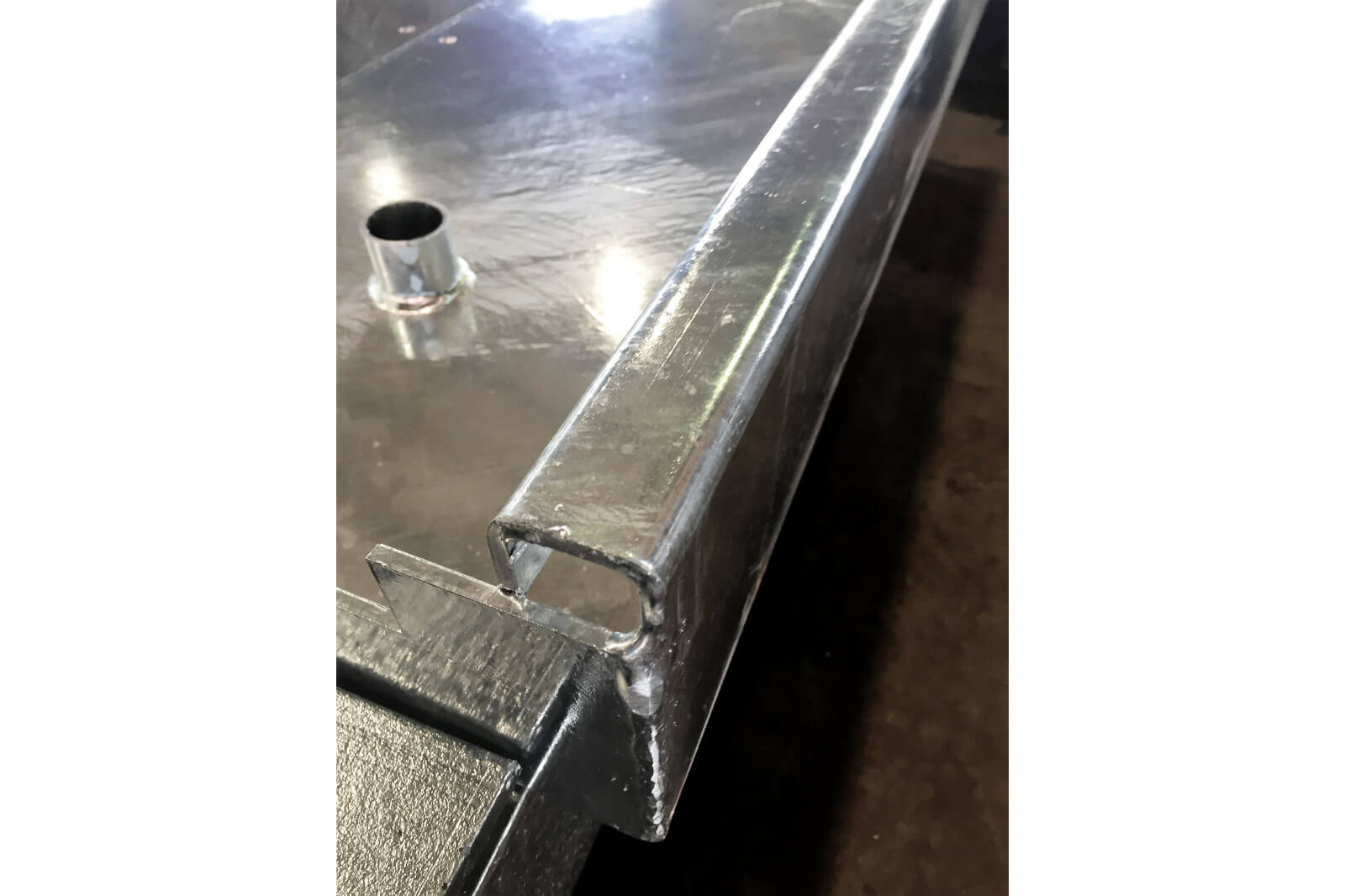
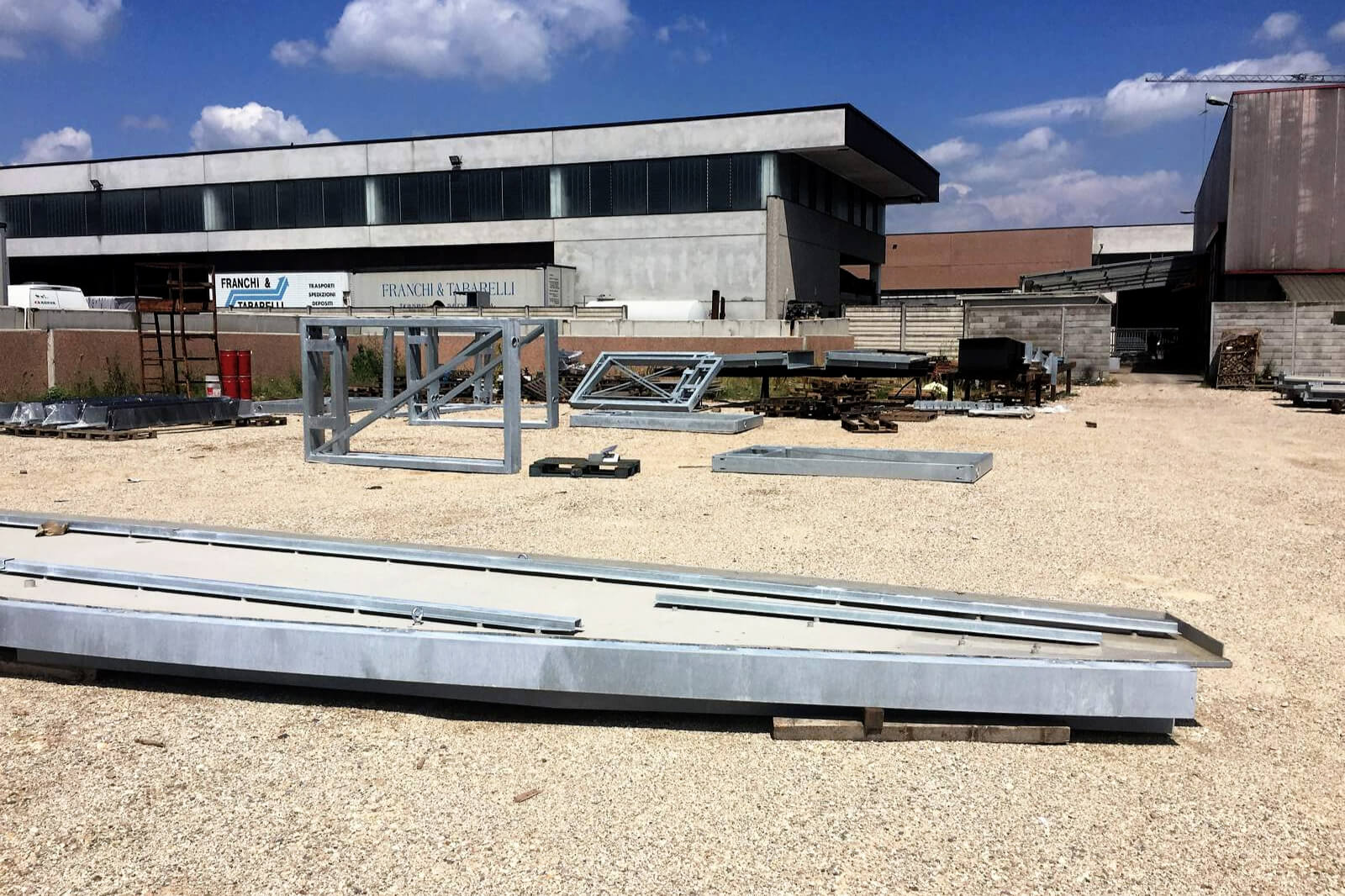
    • hot-dip galvanizing in accordance with UNI EN ISO 1461, optionally combined with subsequent painting in more aggressive environments as part of a duplex system.

    For public works, the coating system applied is the one specified in the contracting authority's technical specifications, which often impose requirements that are more stringent than the regulatory minimum.
  • Do you use Corten steel in large infrastructure projects?
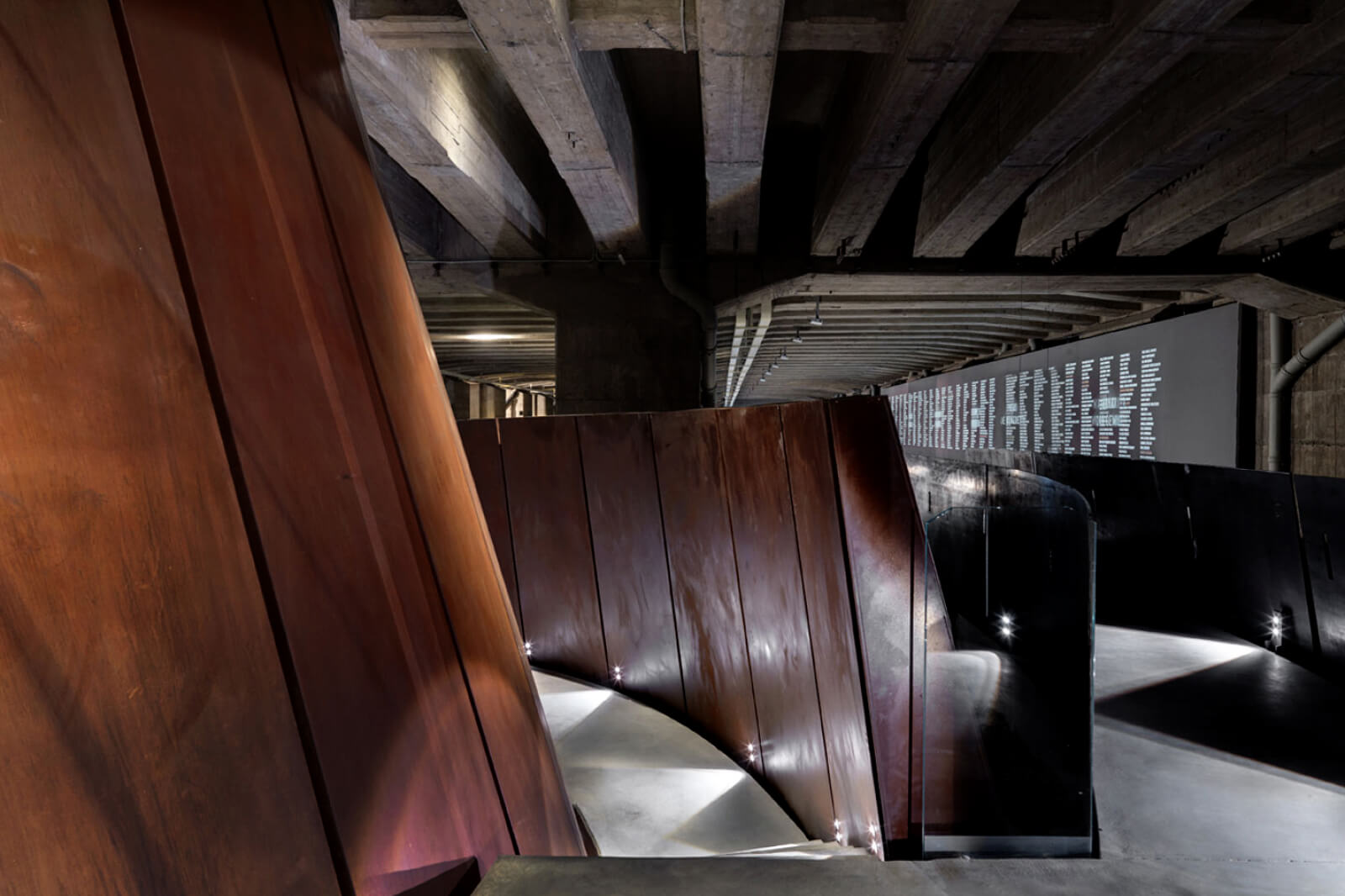
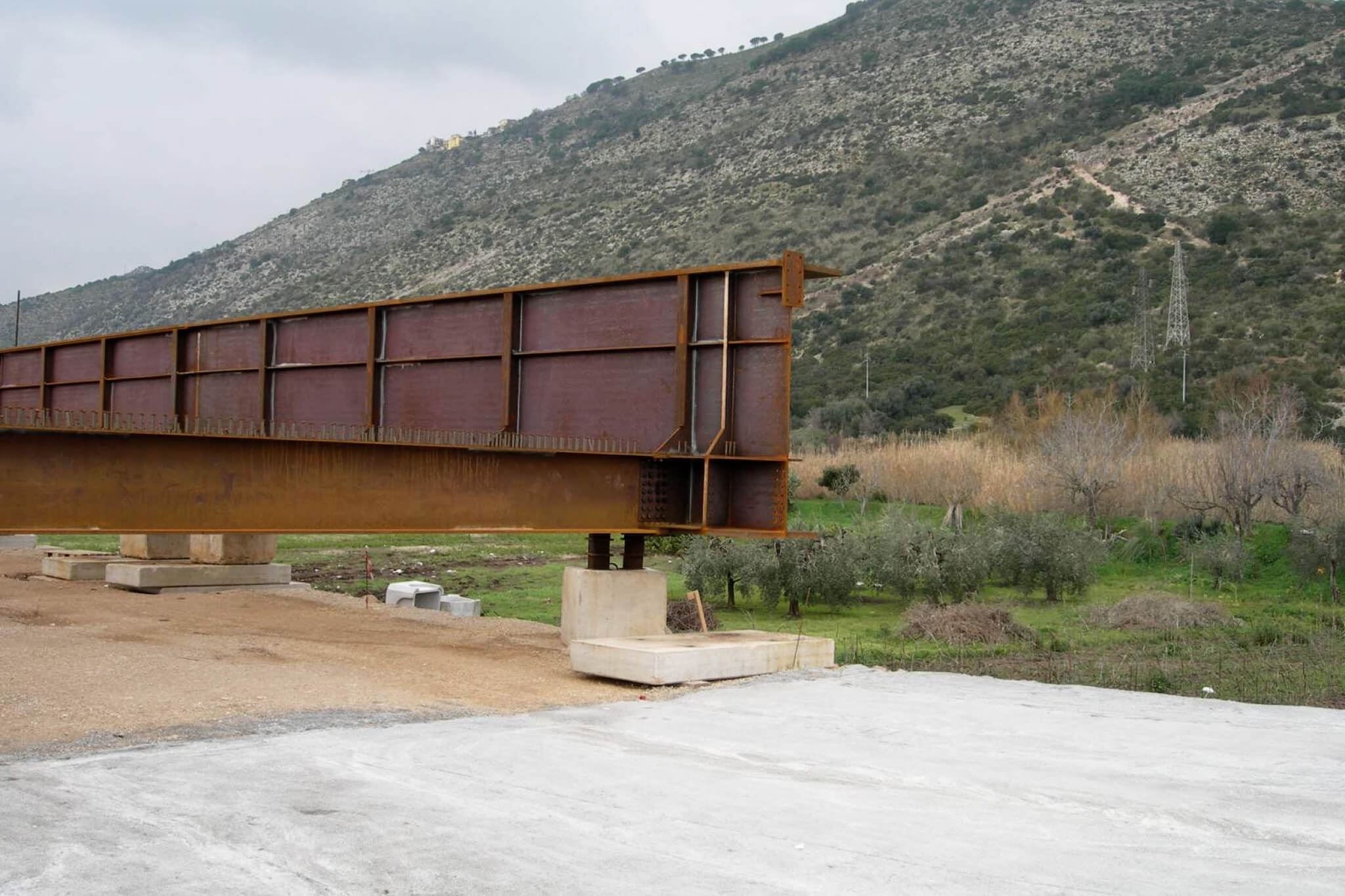
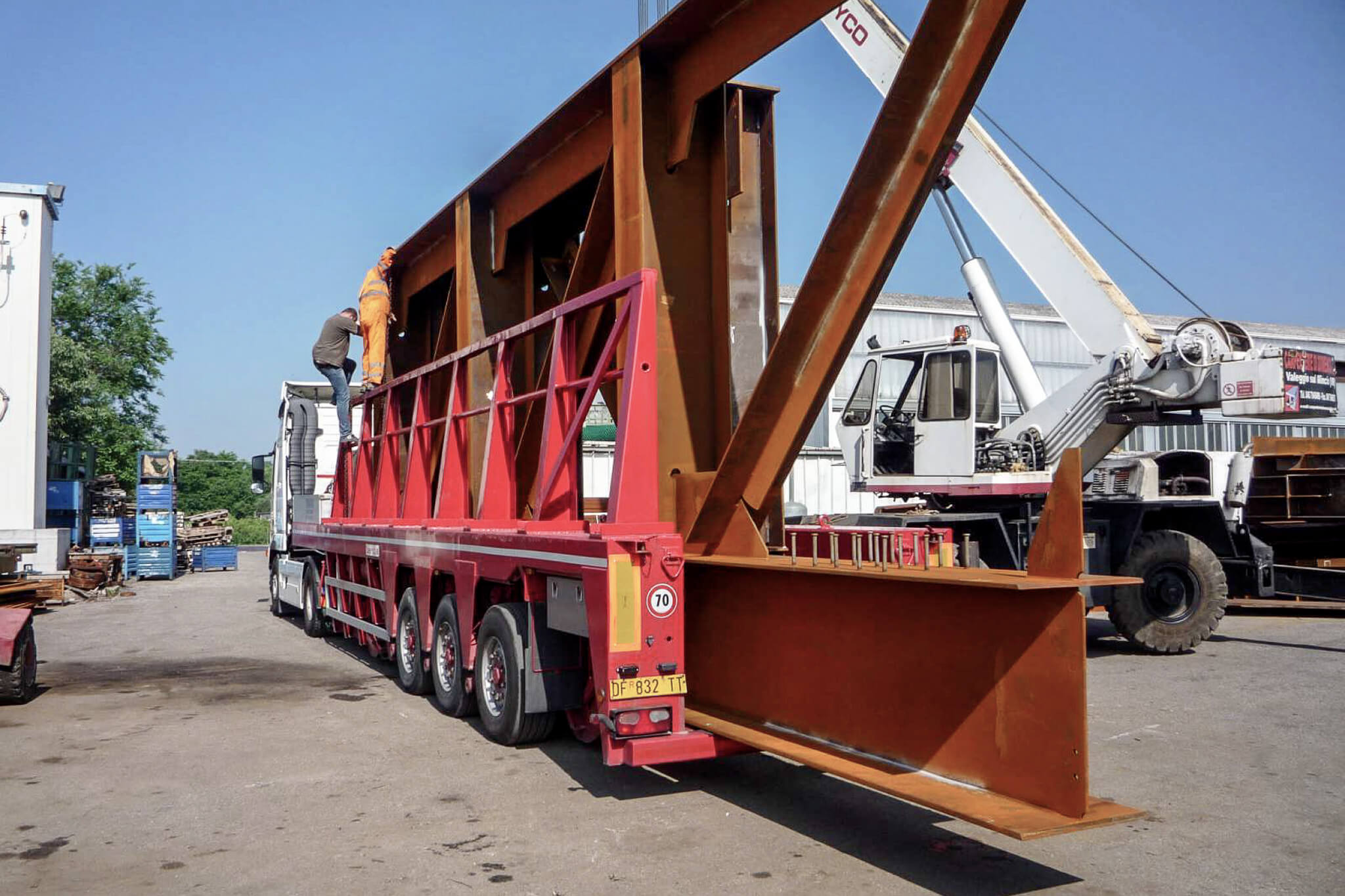
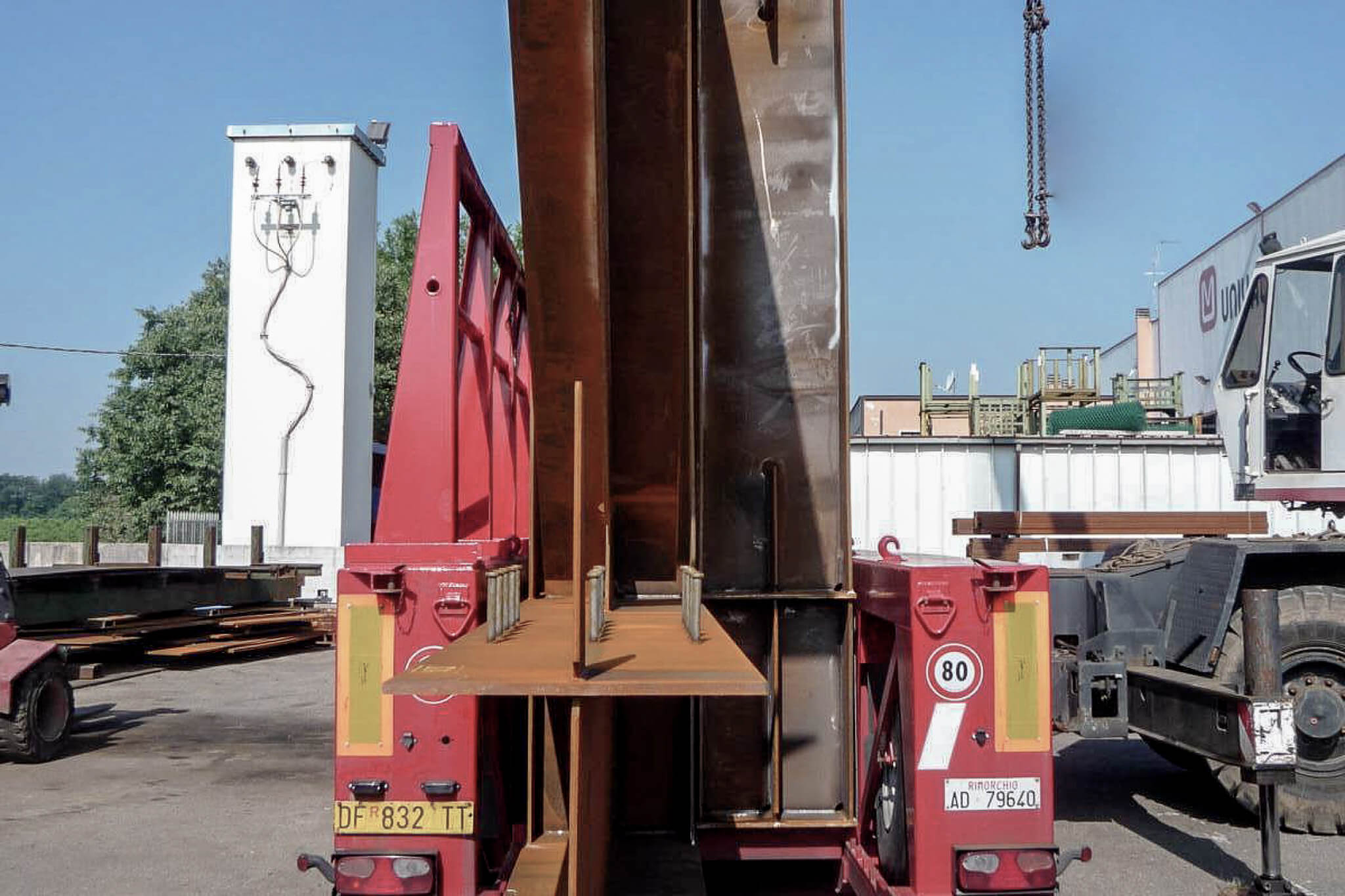
    Yes. Weathering steels in accordance with UNI EN 10025-5 — of which Corten is the most widely used commercial name — are commonly used in our infrastructure projects. However, their use requires suitable exposure conditions and specific design considerations.
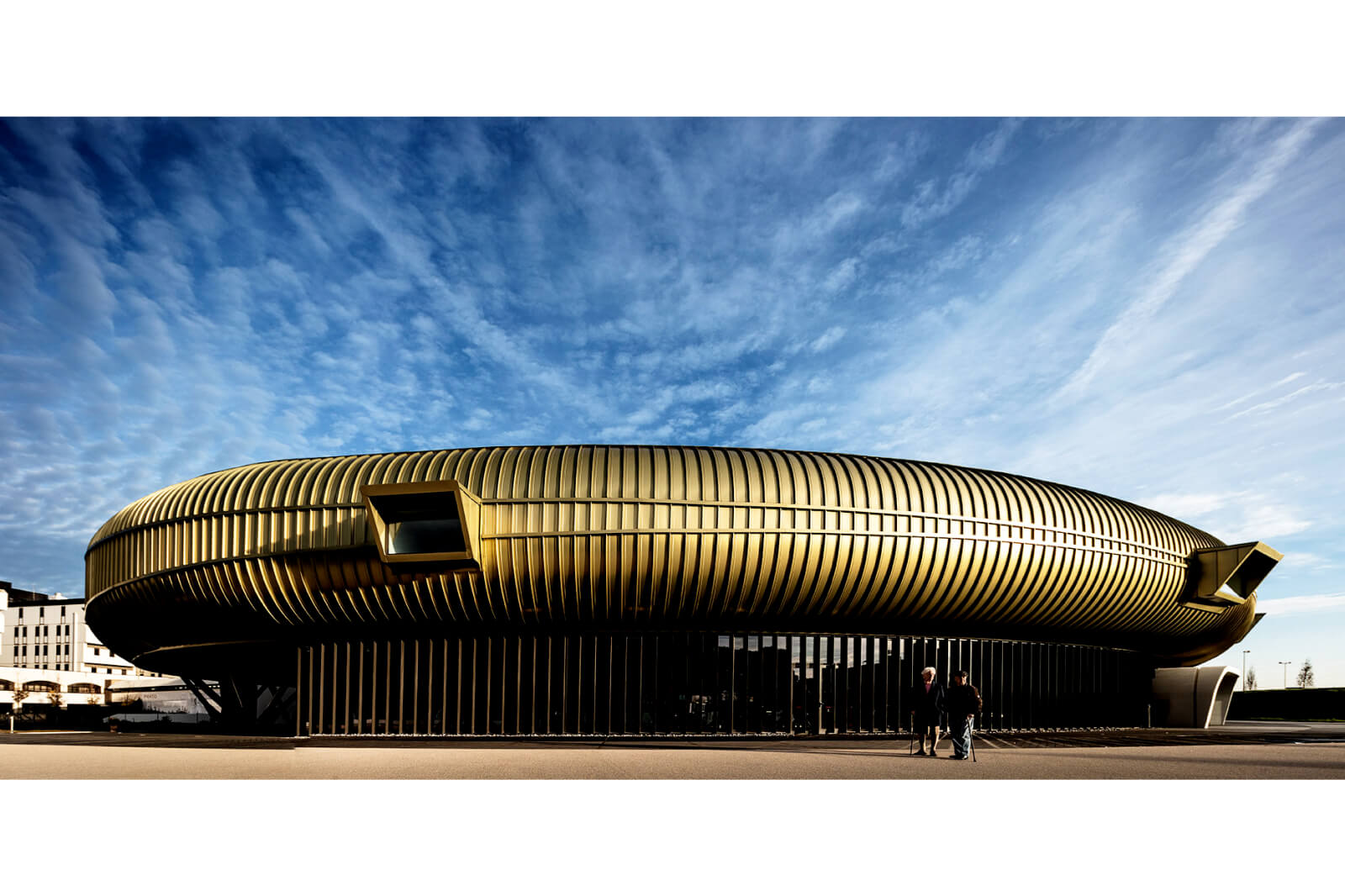
    The protective oxide patina forms correctly only in the presence of alternating wetting and drying cycles. Their use is therefore not recommended, or requires additional protection, in the presence of chlorides — such as marine environments or underpasses treated with de-icing salts — in confined and poorly ventilated areas, and wherever water may stagnate or continuously run or drip.

    Where conditions are suitable, the design includes a corrosion allowance sized according to the service life of the structure, construction details that ensure drainage and ventilation and avoid crevices, and management of runoff during the first years of service, which may stain concrete piers and abutments.

    Under these conditions, the benefits are significant: no initial painting system, routine maintenance limited to inspection and cleaning of drainage systems, and a finish that blends naturally into the surrounding landscape.